Get Full Government Meeting Transcripts, Videos, & Alerts Forever!
Get email alerts on the Civil Rights Commemoration topic
No spam. Unsubscribe anytime.
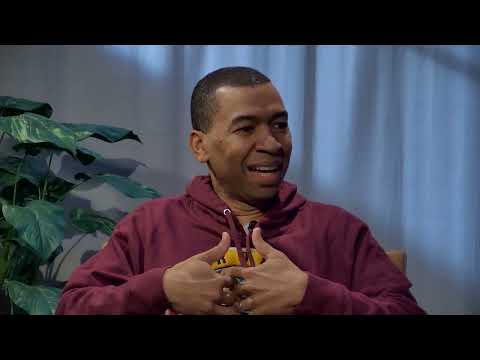
Mayor Reed: Montgomery must "show up" after low turnout at 60th voting-rights anniversary events
Summary
Mayor Steven L. Reed said Montgomery’s 60th anniversary events honoring the Southern Montgomery voter-rights march drew headline talent but fewer local attendees than expected, and urged residents, churches and activists to attend future commemorations and civic events.
Mayor Steven L. Reed, mayor of Montgomery City, said the city’s sixtieth anniversary observances of the Southern Montgomery voter-rights march included well-known performers and national figures but suffered from low local turnout, and he called on residents and community groups to attend future commemorations.
Reed said the weekend’s program included a reception at the museum to honor movement veterans, a Freedom Rally with “a great, great lineup on Saturday at Carver High School,” and a march from Saint Jude to the State Capitol. He told host Darrell Hall the events were free and had “perfect weather” yet drew fewer Montgomery residents than he expected.
Why it matters: Reed framed the turnout as a civic problem, saying the public’s absence weakens the city’s ability to attract future corporate sponsorships and to sustain local political and nonprofit partnerships built on the legacy of civil-rights activism. “The least we can do is show up,” he said, and added that failing to attend the anniversary is “an embarrassment.”
Reed described two main consequences. First, he said corporate and private sponsors invest resources with the expectation of local attendance; if residents do not show, sponsors may decline future support. Second, Reed said the city risks losing public memory and appreciation for the civil-rights sacrifices that enabled current political representation: “You enjoy the shade of trees you did not plant,” he said, arguing that turnout demonstrates respect for that history.
Reed named several participants and speakers at the weekend events, saying organizers invited youth activists and leaders (he referenced "Jeremiah, Teresa from BTW"), local and national civil-rights figures including Martin Luther King III, and nonprofit partners such as the American Civil Liberties Union (he referenced "Jeton Bosley Gilchrist" and "Sean Kreisberg") and the Southern Christian Leadership Conference (he named "DeMarte Liggins" as its CEO). He also cited local pastors and performers who took part, including “Pastor Mike Jr.” and others.
Reed said some headline artists withdrew at the last minute but that organizers maintained relationships with talent and could invite them back; his larger point was that talent and sponsorship alone do not guarantee impact if local audiences do not attend. He compared Montgomery’s turnout unfavorably with Birmingham and Atlanta, saying those cities reliably pack events and therefore attract recurring investment.
Reed recalled prior anniversaries, including the fiftieth in 2015, and said the low turnout this year is not explained by weather or organization: sponsors and programming matched what other cities stage, he said, yet Montgomery residents did not come in expected numbers. He argued that civic participation at commemorations matters now because public-policy debates—he cited threats to federal education funding, Medicaid, and school-lunch and after-school programs—make organized public engagement more consequential.
Reed urged the community to treat memorials and marches as recurrent civic duties, not occasional spectacles. He said the march route covered about three miles and asked residents to commit to showing up at future events to preserve political memory and local influence. "If we appreciate what our political opportunities bring us... you gotta be present," he said.
Ending: Reed closed his remarks on the podcast by asking Montgomery residents to “show up, show out,” and to remember that the civil-rights movement and voting-rights gains began locally in Montgomery. He warned that continued complacency would undercut the city’s ability to attract partners and to sustain programs built from those gains.