Get Full Government Meeting Transcripts, Videos, & Alerts Forever!
Get email alerts on the Early Childhood Literacy topic
No spam. Unsubscribe anytime.
Wilson Elementary teachers say about 85–89% of kindergartners know letters and sounds after targeted instruction
Summary
Kindergarten teachers at Wilson Elementary reported a rise from about 5% to roughly 85–89% of students knowing letters and sounds after starting small groups, frequent assessments and daily PLC collaboration.
Rachel Williams, a kindergarten teacher at Wilson Elementary, said her class has risen to about 85–89% of students knowing their letters and sounds this year, up from about 5% at the start of the school year.
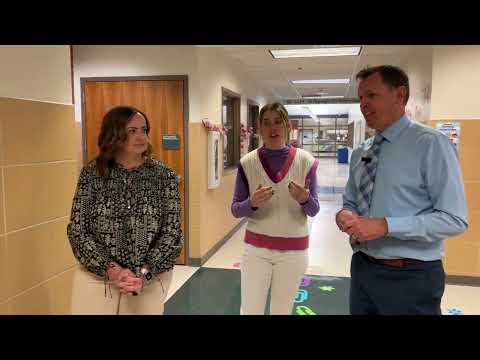
The improvement, Williams and fellow kindergarten teacher Savannah Brain told a short recorded interview, followed a mix of frequent assessment, small-group instruction and daily professional learning community (PLC) collaboration among teachers. "We started the year at 5 percent of kids who knew their letters and sounds," Williams said. "So yeah."
Why it matters: early mastery of letters and sounds is a foundational literacy milestone that teachers say helps students access reading instruction in later grades. The two teachers described practical steps they used to raise student skills and engagement.
Williams and Brain said they begin small groups in September, group students by ability after regular checks, and aim to assess students weekly. "We try to assess weekly," Brain said, adding that teachers also meet in PLCs — at Wilson Elementary the teachers said those meetings happen daily — to review data and shift groups or interventions as needed.
The teachers outlined routine classroom practices that support progress: rotating through the alphabet multiple times early in the year, creating ability-based small groups, tracking progress on classroom data posters that students can see, and hosting a quarterly "alphabet club" where families are invited to celebrate students who reach mastery. "This is our alphabet club, and we do it quarterly, and we invite families to come in and do a celebration," Brain said.
Both teachers emphasized teamwork and shared expectations as a key factor. "We really love, love teaching and seeing the growth and helping each other out," one said, and Brain added that the team holds each other to high expectations and drills down to instructional root causes in collaboration time.
There were no formal actions, votes or policy decisions in the recording; the exchange was an on-site classroom interview summarizing teacher-reported outcomes and instructional practices. The teachers said they will continue monitoring progress and celebrating students and families as the year continues.