Get Full Government Meeting Transcripts, Videos, & Alerts Forever!
Get email alerts on the Juvenile Records Firearms topic
No spam. Unsubscribe anytime.
Bill would let law enforcement review sealed juvenile records to enforce firearm prohibitions for under‑25s, sponsors say
Summary
Sen. Barry DeKay presented LB395 to let law enforcement inspect sealed juvenile court records to determine whether an individual under 25 is prohibited from possessing or purchasing a firearm; Administrative Office of the Courts and law enforcement supported the measure as a public‑safety cleanup.
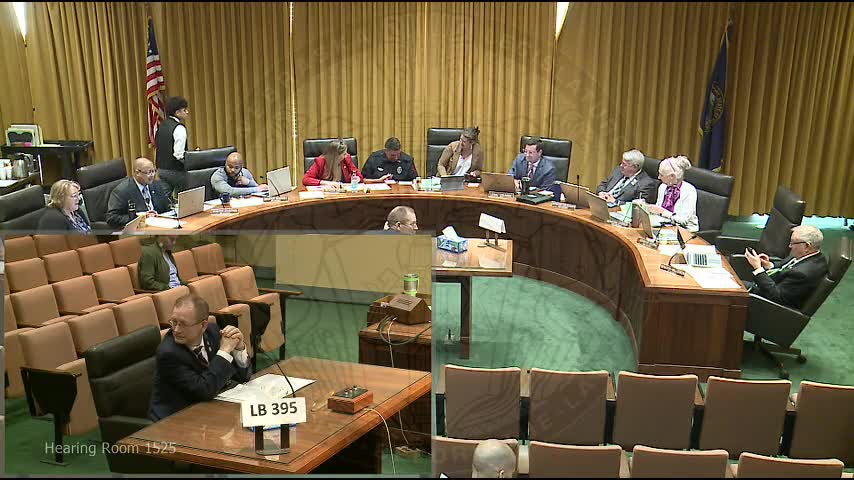
Senator Barry DeKay introduced LB395 to the Judiciary Committee as a clean‑up measure to resolve a conflict between the juvenile sealed‑records statute and laws that prohibit firearm possession by certain juveniles.
DeKay said the change responds to a gap created after LB990 (2018) and subsequent legal interpretation: sealed juvenile records can prevent law enforcement and permitting authorities from learning that an applicant was adjudicated for acts that would bar firearm possession while under 25. "Without being allowed to share this information with the FBI, it could be possible that a prohibited juvenile offender is appropriately denied a handgun related permit, but then be erroneously allowed to purchase a long gun," he said.
Carrie Rumbaugh, deputy administrator for the Administrative Office of the Courts and Probation, testified LB395 will "ensure sealed record access is available to law enforcement in determining if a juvenile was previously adjudicated for a misdemeanor or felony domestic violence offense, and would be prohibited from possessing a firearm." She said judges asked the administrative office to address the conflict after cases surfaced in which sealed records prevented immediate field determination of a juvenile's firearm status.
William Winn, chief deputy of administration for the Douglas County Sheriff's Office, and representatives of the Police Chiefs Association and Nebraska Sheriff's Association described practical problems in the handgun‑permit process: the sheriff's office processes thousands of handgun permit applications annually and in some recent cases sealed juvenile records required issuance of a permit that later correlated with subsequent violent incidents. "The presence of sealed records forces the sheriff to issue gun permits to much older persons who were involved in multiple violent or weapons related crimes very close to the statutory age of 25," Winn said.
Supporters urged the committee to adopt an amendment negotiated with the Nebraska State Patrol to ensure information can be shared with federal partners performing background checks. The clerk recorded six proponent and four opponent submissions for the record. No committee vote occurred during the hearing; sponsor and supporters called the bill a targeted fix to enhance community safety while preserving juvenile‑record protections where appropriate.