Get Full Government Meeting Transcripts, Videos, & Alerts Forever!
Get email alerts on the Health Care Power Of Attorney topic
No spam. Unsubscribe anytime.
Nebraska bill would allow agents to authorize life‑saving care for incapacitated pregnant women
Summary
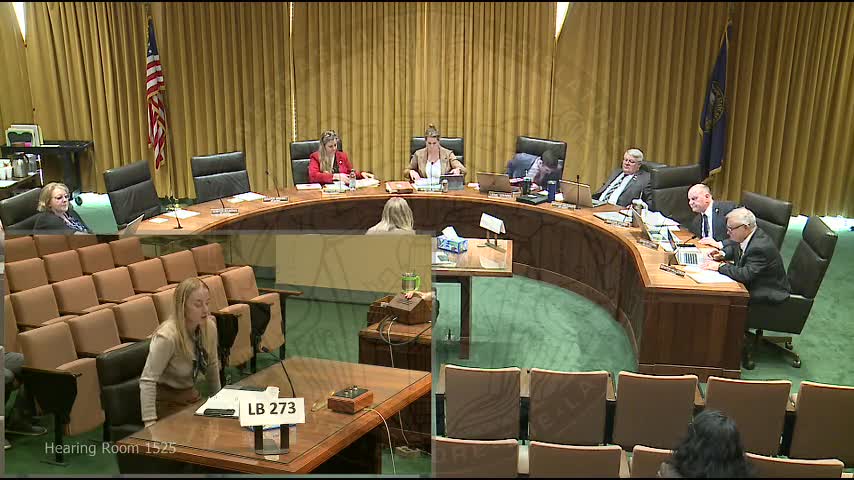
Sen. Megan Hunt told the Judiciary Committee LB273 would remove a statutory bar that prevents a health care power of attorney (agent) from consenting to life‑saving treatment for an incapacitated pregnant principal when her physician determines her life is at risk.
Senator Megan Hunt, chairing the introducer's presentation, told the Judiciary Committee LB273 would lift a restriction in Nebraskalaw that currently prevents an agent under a health care power of attorney (HPOA) from consenting to treatment that could result in the death of an unborn child.
Hunt said the bill was requested by an estate‑planning attorney in her district and "would allow for life saving medical treatment to be administered to pregnant women who are under a health care power of attorney." She told the committee the change is narrowly tailored to apply only when the woman's treating physician determines her life is at risk.
The bill's sponsor and witnesses framed the proposal as an alignment of agent authority with that of court‑appointed guardians. Estate planning attorney Matthew Wurzner, who prompted the bill, said a current inconsistency forces families into court and creates avoidable delay and expense: "If there's an agent under a power of attorney who doesn't have the authority to act, I can file a guardianship, and I can get around this. The problem is that creates more stress for the family, that creates more lawyer fees." Wurzner described LB273 as "a really narrowly tailored, really esoteric issue" that gives agents the authority the principal would have.
Committee members questioned the scope and the ethical tradeoffs when a decision for the mother could result in the loss of a viable fetus. Senator Hallstrom asked whether a guardian's authority is "expressly authorized by statute or implied because of silence?" Hunt and Wurzner pointed to statute 30‑3417 and related guardianship provisions; Hunt said the bill would not allow routine prioritization of the mother over the fetus but would permit an agent to act in line with the principal's prior wishes "if it's between the life of the mother, and it really has to be a matter of life or death for the mother." Hunt added the agent must act with the treating physician's advice and remain bound by the principal's expressed instructions.
The committee record included written comments: committee staff noted 16 proponent submissions, 3 opponent submissions, and no neutral comments were filed for the record. No formal vote occurred during the hearing; senators heard testimony and closed the public portion of the bill for later committee consideration.
Why it matters: In current Nebraska law, an agent's ability to consent to medical treatment for an incapacitated pregnant principal is restricted in ways advocates say can delay or bar interventions that physicians consider necessary to save the mother's life. LB273 would change only the narrow circumstances described in testimony and would leave other statutory restrictions in place.