Get Full Government Meeting Transcripts, Videos, & Alerts Forever!
Get email alerts on the School Board Election topic
No spam. Unsubscribe anytime.
Three candidates outline priorities at Sparta Area School District board forum
Summary
Three candidates for the Sparta Area School District Board of Education appeared at a student-hosted forum to describe qualifications and priorities, emphasizing staff retention, state funding, special education and social-emotional learning, and community communication.
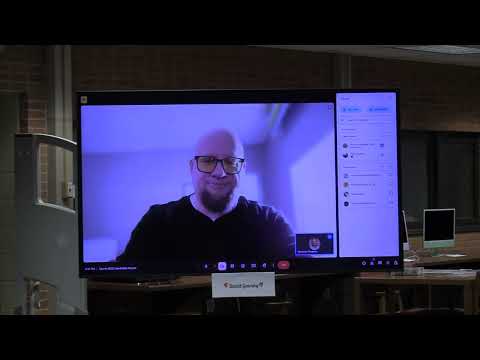
Three candidates for the Sparta Area School District Board of Education — David Gonke, David Burnett and William Lasko — answered questions at a student-hosted candidate forum at Sparta High School ahead of the April 1 election. The forum was led by Sparta High students and included 10 questions on staffing, district finances, special education and open enrollment.
The candidates outlined why they are running and what they would prioritize if elected. "I've been, until recently working for this school district for about 6 and a half years," David Gonke said, adding that his experience in district support services and as a robotics coach gave him "a unique perspective from the support side, not just from the classroom, but from all the buildings." Gonke emphasized improving communication with staff, parents and the community and said better transparency about district finances could help retention and community trust.
David Burnett, who introduced himself as "a retired physician and physician executive," said he has attended board meetings for more than a year and described district academic metrics the candidates discussed. "The DPI state report card shows that we have a graduation rate of 99.4 percent for this past year," Burnett said, and he cited reported progress in math and English-language measures as reasons to praise staff while noting more work remains in reading and targeted interventions.
William Lasko, who described 35 years in teaching and creating a vocational training program, said the district must improve student achievement and highlighted career-technical pathways. He also referenced the local Innovation STEM Academy as a potential model for improving outcomes elsewhere in the district.
On staffing and retention, candidates pointed to communication and relationship-building as near-term steps the board could take while acknowledging budget limits. "Staff retention, I will agree, is the biggest one," Gonke said, noting turnover among early-career teachers and calling for attention to classroom sizes and supports for staff working with high-needs students. Burnett said listening and continued strong relationships between board, administration and staff were priorities.
State funding and revenue limits drew extended discussion. Candidates described how the district's per-pupil funding ranks low in the state and said state-level changes could narrow the gap. Gonke said proposals in the state biennial budget and a proposed increase in special-education reimbursement (cited during the forum as a proposed increase from roughly 30% toward 60%) would help close the operating gap. Burnett urged grassroots contact with legislators and said the Wisconsin Association of School Boards is active in advocacy.
Candidates also addressed equity and support for minority and vulnerable student groups. Gonke said the schools should "support those people as best we can" and increase counseling for students struggling with identity issues; he cited his experience coaching students on the robotics team and working with students on the autism spectrum. Burnett pointed to existing board policies that are intended to protect minority populations and said the board must be vigilant if federal oversight changes.
On the prospect of changes to the U.S. Department of Education, candidates said they would continue to advocate with state and federal representatives for stable funding and supports. Gonke suggested local partnerships with businesses and continued lobbying of state and federal representatives as part of any contingency planning.
About open enrollment, candidates proposed outreach to families who leave the district to learn reasons for departing and to identify whether service gaps, communication problems or other issues are driving choices to enroll elsewhere.
The forum concluded with each candidate reiterating priorities: securing state funding, supporting staff, strengthening special education and SEL programming, and improving district communication with families and employees. No formal actions or endorsements were taken at the event.