Get Full Government Meeting Transcripts, Videos, & Alerts Forever!
American Legion, coalition urge lawmakers to increase veterans service grant and lift regional staffing rules
Summary
Leaders of the American Legion and the Michigan Veterans Coalition told the House Families and Veterans Committee that the state’s Veterans Service Provision Grant and regional-hour requirements are forcing service officer layoffs and undercutting veterans’ access to benefits, and requested a funding increase to restore staffing.
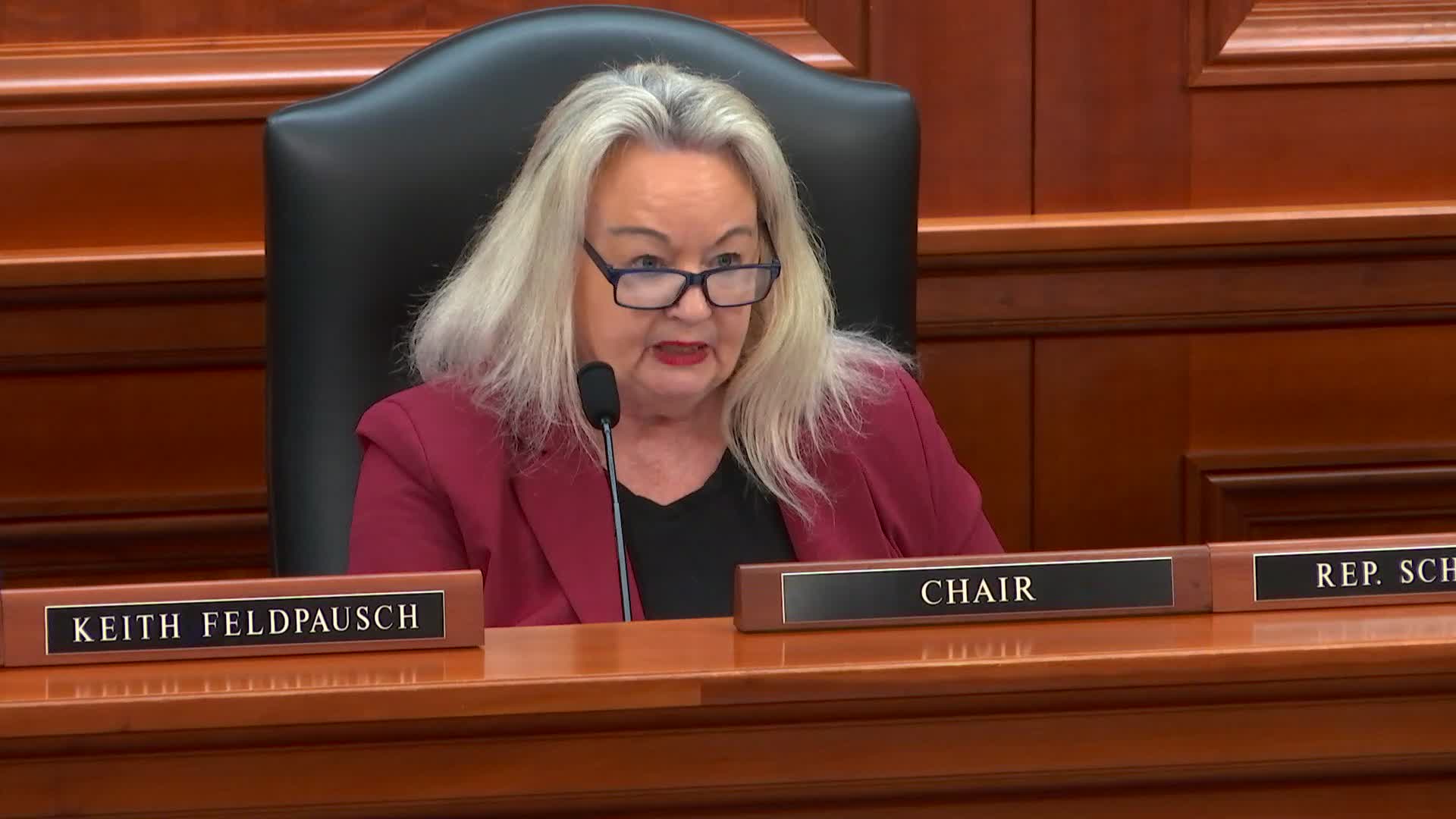
Tim Poxon, American Legion legislative chair, told the House Families and Veterans Committee that the American Legion and the Michigan Veterans Coalition provide statewide veteran benefits navigation and asked the committee to increase grant funding and adjust program rules that he said limit how the group deploys staff.
The request matters because the groups say a relatively small state grant enables them to help thousands of veterans apply for and receive benefits that flow back into local communities. Gary Easterling, director of Veterans Affairs and Rehabilitation for the American Legion Department of Michigan, said the coalition’s statewide grant provides $4,250,000 and that the coalition’s work has generated tens of millions in benefit awards for veterans in recent months.
Easterling and Tim Poxon described how the Michigan Veterans Coalition — a partnership of the American Legion, the Veterans of Foreign Wars, Disabled American Veterans and the Vietnam Veterans of America — uses grant funds to place veteran service officers (VSOs) in communities to file claims, represent veterans at hearings and connect veterans to housing and other services. "We have provided over 3,000 service‑connected claims and more than 500 original claims" this fiscal year, Easterling said, and reported more than $68,000,000 in credits and recoveries in a recent six‑month span.
Committee members pressed presenters for specifics about how the grant is administered and where additional state dollars would go. Easterling said the coalition had 72 VSOs at the start of the fiscal year and had fallen to 64, and that pay has become a retention problem: "I start a brand new service officer out at $18 an hour," he said, adding that several VSOs left for higher pay at the U.S. Department of Veterans Affairs and elsewhere. He asked for higher funding so the coalition could both hire more VSOs and raise wages.
Presenters also criticized a regional-hour requirement tied to the grant. Easterling said the program still requires regional service‑hour targets set around 2014 population figures, even though the state’s veteran population has fallen. He said the Michigan Veterans Affairs Agency (MVAA) — which the presenters identified as the grant overseer — recently moved to withhold funds over unmet regional hours, a move the presenters said hurt service delivery. "They're talking about withholding funds from us because we haven't met that regional hour. And that short changes the veteran in the long run because we have no funding to do it," Easterling said, describing an instance in which a VSO was reassigned from a low‑demand county to the Saginaw VA hospital and the coalition was reprimanded for reducing hours in the original region.
The presenters said they had asked the legislature to increase the grant. Easterling…
Already have an account? Log in
Subscribe to keep reading
Unlock the rest of this article — and every article on Citizen Portal.
- Unlimited articles
- AI-powered breakdowns of topics, speakers, decisions, and budgets
- Instant alerts when your location has a new meeting
- Follow topics and more locations
- 1,000 AI Insights / month, plus AI Chat