Get Full Government Meeting Transcripts, Videos, & Alerts Forever!
Get email alerts on the Healthcare Homelessness topic
No spam. Unsubscribe anytime.
Healthcare providers say outreach, mobile clinics and case management cut costs and prevent returns to homelessness
Summary
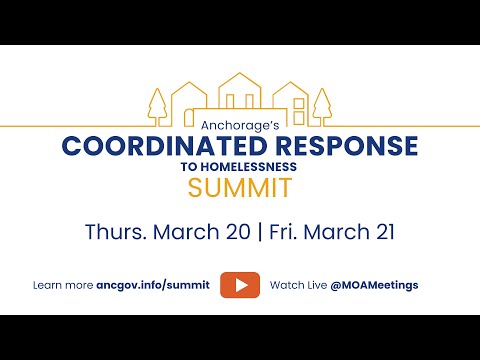
Local health and recovery leaders told a summit that integrated primary care, mobile clinics, and intensive case management reduce avoidable emergency care and help people keep housing. Panelists urged closer hospital‑to‑CE discharge coordination and expanded crisis services.
At a midday summit panel on health and homelessness, healthcare and recovery leaders described how primary‑care access, street medicine and intensive case management can improve housing stability and reduce emergency service use.
Lisa Aquino, CEO of Anchorage Neighborhood Health Center, described clinic capacities that specifically serve people who are unhoused: sliding fees, a Health Care for the Homeless grant, integrated behavioral health, on‑site lab and x‑ray, and a mobile clinic that visits shelters. “As a part of being a patient at Anchorage Neighborhood Health Center, you have access to our behavioral health services and to substance misuse disorder treatment with our primary care providers,” she said.
Panelists said the main barriers are transportation, lack of phones, competing daily survival needs, and provider capacity. June, referral and eligibility coordinator for Catholic Social Services’ Complex Care, said transportation vouchers and staying connected after discharge are frequently decisive in whether patients complete follow‑up care.
Integrated responses and evidence‑based innovations discussed included: expanding street‑medicine teams that provide wound care, naloxone distribution and urgent triage; using intensive case management to reduce returns to homelessness; better discharge planning so hospitals enroll patients in CE before discharge; and using Medicaid mechanisms (including 11‑15 Medicaid waivers) to fund crisis services and peers.
Carl Soderstrom of True North Recovery and other panelists said stronger, simpler referral paths and more crisis services improve access and reduce downstream costs. Panelists cited an example from local rapid rehousing pilots: a fully supported housing slot with move‑in costs and supportive services averaged roughly $20,000 per household in the pilot. They contrasted that with much higher annual emergency and justice system costs for people left unhoused.
Ending: Panelists asked providers, hospitals and funders to expand peer‑led crisis services, improve data sharing with AKHMIS/CE and scale mobile and low‑barrier primary care so more people can be stabilized and housed.