Get Full Government Meeting Transcripts, Videos, & Alerts Forever!
Get email alerts on the Kinship Connections Pilot topic
No spam. Unsubscribe anytime.
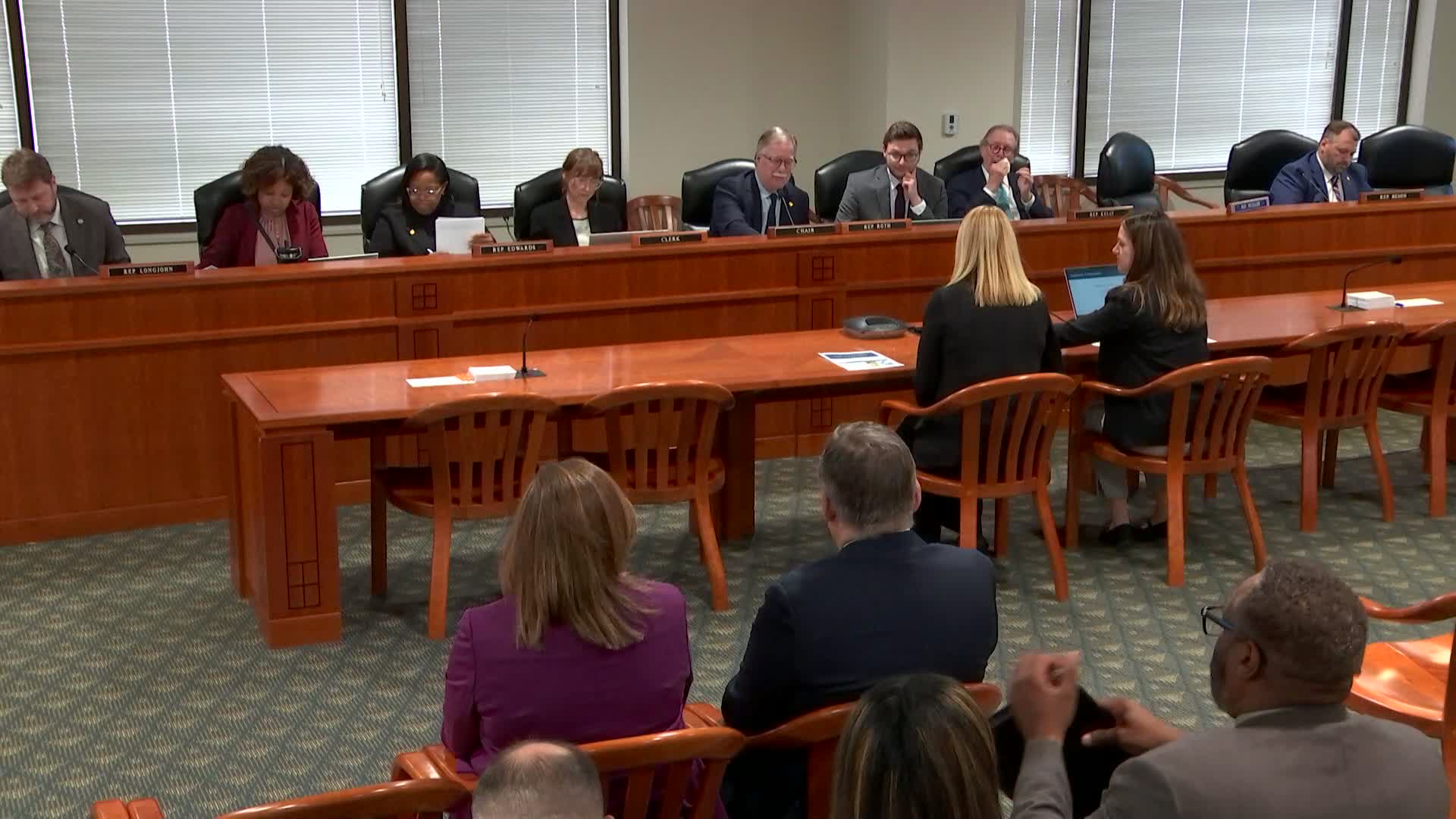
Orchard Children’s Services says Kinship Connections pilot helped place relatives for most children; limited funding threatens continuation
Summary
Orchard Children’s Services told the appropriations subcommittee that its Kinship Connections pilot (started June 2022) served 608 children, averaged more than 32 family connections per child, and placed 77% with relatives or fictive kin; the pilot’s core work will continue under a one-year extension while funding options are sought.
Orchard Children’s Services told the House appropriations subcommittee that its Kinship Connections pilot, developed in partnership with MDHHS and the new foster care office, has had measurable outcomes but is not financially stable beyond a short extension.
Nicole Lawson, president and CEO of Orchard Children’s Services, said Orchard contracts with MDHHS across the state and provides family preservation, foster licensing, kinship services and adoption work. Kelsey Wostowski, program officer for placement services at Orchard, gave the committee details about the Kinship Connections pilot.
Wostowski said Kinship Connections began in June 2022 to support family finding and kinship placements at the point a child is entering foster care. The pilot focuses on finding relatives and fictive kin whom parents trust and then assessing and supporting those caregivers so children can remain with people they already know.
Wostowski told the committee the pilot has served 608 children for family finding. She said staff find an average of 32 or more connections per child, that 77% of those children were placed with relatives or fictive kin, and that among 62 families Orchard supported in placement, only four children later had to be removed from those kinship homes.
Wostowski said kinship placements reduce trauma and can speed parents’ engagement with reunification services because parents are less worried about a child’s daily care. She also said the pilot will not continue as originally structured after May because of funding instability; MDHHS negotiated a one-year extension for a portion of the work to continue while partners explore sustained financing.
Orchard and MDHHS officials said they appreciate the department’s kinship advisory council and federal grant support that helped establish kinship programming, and they urged continued state funding to sustain the model.