Get Full Government Meeting Transcripts, Videos, & Alerts Forever!
Get email alerts on the Agriculture topic
No spam. Unsubscribe anytime.
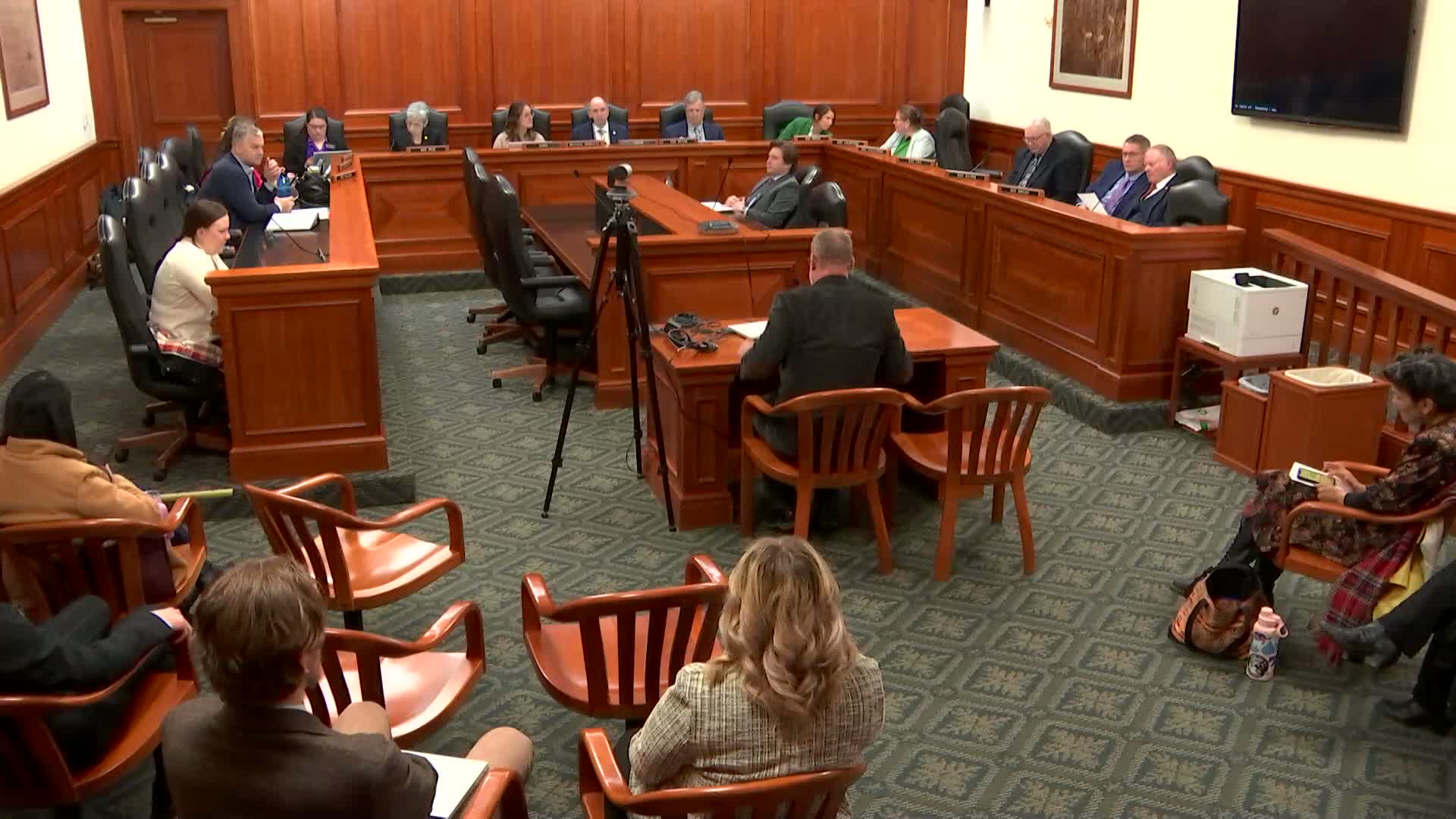
House committee hears bills to modernize Michigan ‘cottage food’ law, raise sales cap and allow online sales
Summary
House Bill 4,122 would raise Michigan’s cottage food gross-sales cap from $25,000 to $50,000 (and to $75,000 for items priced at $250 or more), allow online and mail-order sales and create an optional registration through the MSU Product Center, sponsor Representative Jason Alexander told the Agriculture Committee.
Representative Jason Alexander, sponsor of House Bill 4,122, told the Agriculture Committee that the bill would modernize Michigan’s cottage food law by increasing the gross-sales cap, allowing online and mail-order sales, and offering an optional registration through the MSU Product Center to protect producer privacy.
“Michigan's cottage food law has provided an important pathway for small scale food processors to start and grow their business,” Alexander said in remarks to the committee. He described the principal changes in HB 4,122: raising the gross annual-sales cap from $25,000 to $50,000 (and to $75,000 where individual products sell for $250 or more), tying future adjustments of the cap to the Detroit Consumer Price Index, permitting online, mail-order and third-party delivery sales while preserving a required direct interaction between consumer and producer prior to purchase, and creating a voluntary registration system through the MSU Product Center so producers need not list a home address on product labels.
Alexander told members that, since the cottage food law was enacted in 2010, the Michigan Department of Agriculture and Rural Development (MDARD) has reported “no cases of foodborne illness linked to these products.” He framed the bill as an update that would reflect modern retail channels and expand low-barrier pathways for entrepreneurs to test food businesses before moving to licensed commercial production.
Testimony came from a broad set of stakeholders. Rebecca Park of the Michigan Farm Bureau and Kevin Hershberger, a Cass County farmer who sells beef and homemade jams through a farm store, described how cottage-food provisions can help farm diversification. Park said the organization supports HB 4,122 and HB 4,245 and noted the bill’s communication with producers and the role of the Product Center. Hershberger described his family’s market and the way home-produced items draw customers for other farm products.
Molly Woods of the MSU Product Center described the center’s existing support for value-added food producers across Michigan and said the Product Center runs free educational webinars, helps with labeling and licensing transitions, and would operate the proposed voluntary registration to protect privacy and provide traceability in the unlikely event of a food-safety concern.
Amanda, representing the Michigan Farmers Market Association (MIFMA), said the $50,000 cap “matches the minimum sales volume that a small business is commonly required to meet in order to qualify for a small business loan” and that the cap is designed to incent businesses to move into licensed commercial categories once they grow beyond the threshold. She urged the committee to pass HB 4,122 so the change could take effect for the 2025 farmers-market season.
Advocacy organization Rising Voices emphasized the bill’s potential benefit for immigrant and women entrepreneurs who often start home-based food businesses; Brenda Magdessi of Rising Voices said the changes would expand economic opportunity and privacy protections for those producers.
Committee members asked technical and policy questions. Topics included whether the bill would permit drop-shipping (Alexander and witnesses clarified third-party delivery means a delivery service such as DoorDash or UPS that transports the item from producer to customer, not a third party taking over production), whether sales tax applies (witnesses noted many cottage-food items are non-taxable food items and that tax regimes vary by product type), whether the $50,000 figure reflected inflation adjustments (sponsor cited CPI indexing and that $50,000 was a compromise number used after multiple legislative attempts), and whether registration should be mandatory. Witnesses described the registration as voluntary and said the proposed system could include a small fee (the bill language allows up to a $50 registration fee) to support Product Center services.
Members also pressed on safety and oversight. Alexander and witnesses repeatedly said MDARD has not recorded foodborne illness tied to cottage foods since the law’s enactment. Several members expressed support but asked for further conversation about raising the cap higher (representatives suggested figures such as $70,000 or $75,000) and about tax and licensing implications for producers who cross the threshold into licensed commercial operations.
No committee vote on the bill occurred during this meeting. Committee staff read in a number of written comments in support (MDARD submitted a supporting card and the committee received over 20 emails in support). The committee concluded by excusing absent members and adjourning.
Representative Alexander said he and proponents will continue to work with the department and stakeholders on potential amendments; committee members asked staff and the Product Center to provide additional data about the number and scale of cottage-food operations if a voluntary registration is implemented.
The proposals under HB 4,122 and HB 4,245 remain under committee consideration pending any amendments and a future vote.