Get Full Government Meeting Transcripts, Videos, & Alerts Forever!
Get email alerts on the Work Projects Federal Funding topic
No spam. Unsubscribe anytime.
LEO tells appropriations subcommittee how work projects, federal grants are managed and spent
Summary
Department of Labor and Economic Opportunity officials told the House Appropriations Subcommittee on Labor and Economic Opportunity how one-time "work projects" carry forward funding, highlighted major programs (Going Pro, registered apprenticeships, barrier removal, blight elimination), and described federal-match and compliance procedures.
Members of the House Appropriations Subcommittee on Labor and Economic Opportunity heard a presentation from Department of Labor and Economic Opportunity officials about the agency’s use of one-time “work projects,” major program spending and how federal grants and matching requirements are managed. The presentation took place during the subcommittee’s public meeting; the date was not specified in the record.
A work project is “a one-time, nonrecurring effort designed to achieve specific goals,” Greg Rivett, chief administrative officer for the Department of Labor and Economic Opportunity, told the committee, citing MCL 18.1451a as the statutory vehicle that allows agencies to carry authorization and dollars forward across fiscal years for up to 48 months when approved by the State Budget Office. Rivett said agencies must submit a specific plan, identified costs and an estimated completion date to qualify for a work project.
Rivett said LEO placed 21 new work projects into place in the prior fiscal year; about 70% of those funds are already obligated, 22% expended and roughly 8% unobligated and in the RFP/grant process. He told the committee that work projects are commonly used so grantees can operate on multi-year schedules and because LEO’s grants are reimbursement-based.
The department highlighted several large work projects. The Going Pro Talent Fund provides employer grants for training; Rivett said the agency expended $54,000,000 from a 2023 work project and had $49,000,000 obligated in FY 2024, with a FY 2026 executive recommendation request of $54,800,000. He said the program has delivered more than 8,000 awards and trained about 221,000 workers with an average wage increase of 7.2%.
On registered apprenticeships, Rivett said Michigan has about 22,000 registered apprentices and ranks fourth nationally by active apprenticeships; he told the committee the median earnings after completion were about $80,700. LEO included registered-apprenticeship funding in a work project and the executive asked for $19,000,000 for that project in FY 2026.
Rivett described the Barrier Removal Employment Success Program, which funds supportive services such as transportation, housing assistance, legal services, childcare and clothing. He said LEO had $14,000,000 allocated for FY 2025, that approximately 90% of those funds were obligated and about 24% expended; Rivett said participants experienced outcomes including a 12% higher employment rate and a median wage increase of roughly $6,900.
Blight-elimination funding also appears in LEO work projects; Rivett said Public Act 1 of 2023 enabled a large state investment that included general fund and ARP components and that competitive grants and community-specific awards have been distributed to many counties and municipalities. He reported the department funded dozens of community projects and that unallocated general-fund amounts remain under active allocation efforts.
Rivett summarized LEO’s federal funding profile: about 65% of the department’s FY 2025 budget is federal; LEO administers more than two dozen federal projects and distributes federal funds to several bureaus and agencies within the department, with workforce development receiving the largest share. He said many federal awards are either codified (recurring) or competitive discretionary grants and that federal dollars typically require a state match. “For every dollar in state investment, it equates to about $4 in federal revenue,” Rivett said, explaining why the agency seeks state authorization and match dollars to draw down federal vocational rehabilitation and similar funds.
On accountability and controls, Rivett described four key elements LEO uses to manage funds: (1) establishing budgets and internal controls to align state and federal requirements; (2) monitoring and approving expenses before reimbursement; (3) a payment process that validates invoice accuracy before state reimbursement and federal drawdown; and (4) audits and compliance reviews, including a department compliance unit, annual reviews by the state Auditor General, periodic federal audits and independent reviews. He said the department implements corrective steps on any recommendations from such reviews.
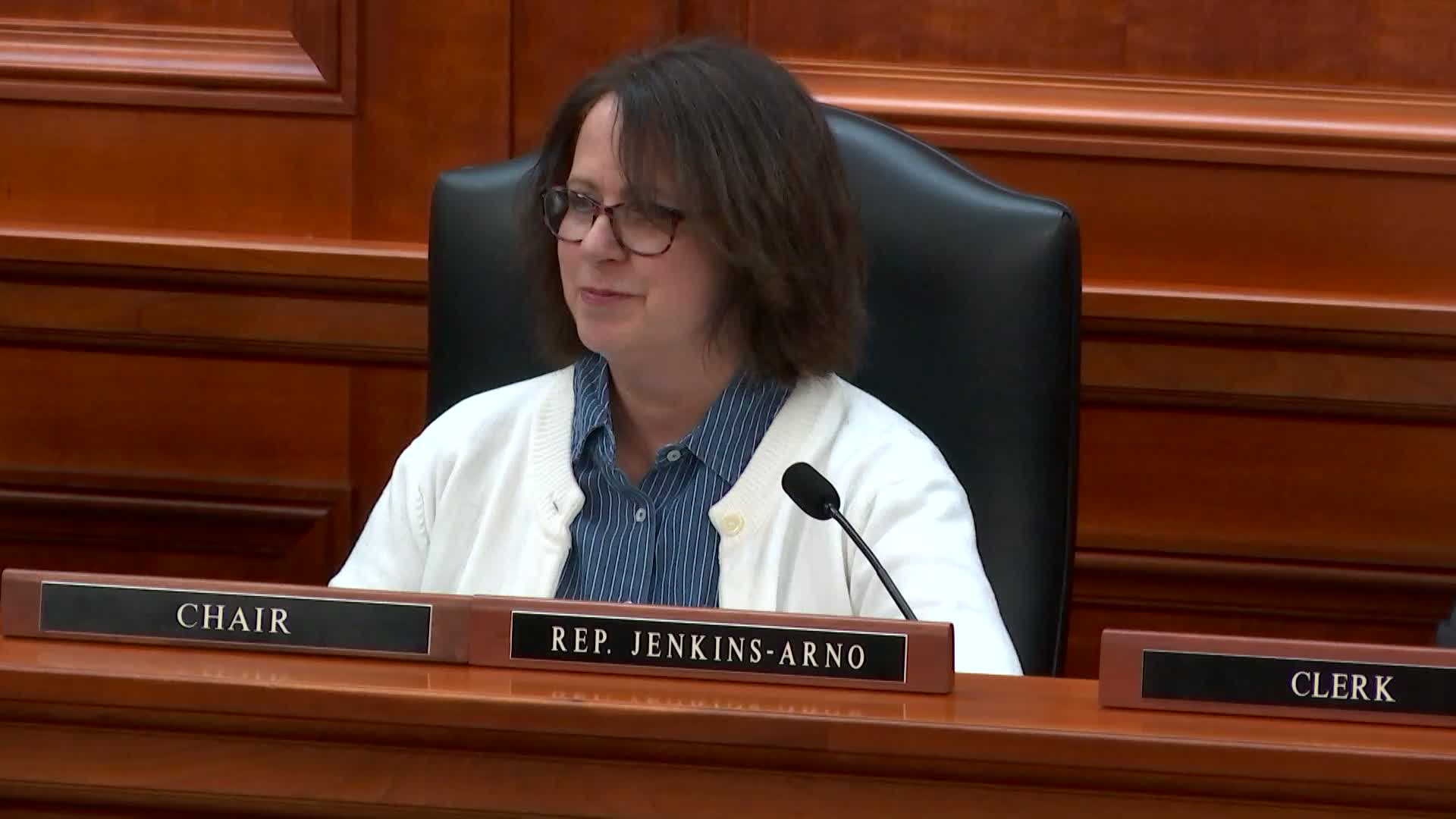
Committee members asked about measures of return on investment and program outcomes. Rivett responded that outcomes are part of LEO’s reporting process and cited Going Pro and barrier-removal results as examples. Chair Jenkins Arnold and Representative Robinson pressed on accountability and program impact during the question period.
The committee also received updates on enhancement grants and other one-time legislatively sponsored grants placed in work projects so grantees could complete multi-year projects; the department posts a legislative report and said it will produce a public dashboard with a geographic map of enhancement grants.
The meeting record shows two procedural motions: Representative Cabot moved to approve the March 19 minutes with no objections, and Representative Robinson moved to excuse absent members; both motions passed by unanimous consent.
LEO officials said they will provide additional information the committee requested, including details on vacancies and the forthcoming enhancement-grants dashboard. The department emphasized that many grant dollars remain obligated and are reimbursed to grantees after review of invoices and verification of allowable expenditures.