Get Full Government Meeting Transcripts, Videos, & Alerts Forever!
Get email alerts on the Difs Budget topic
No spam. Unsubscribe anytime.
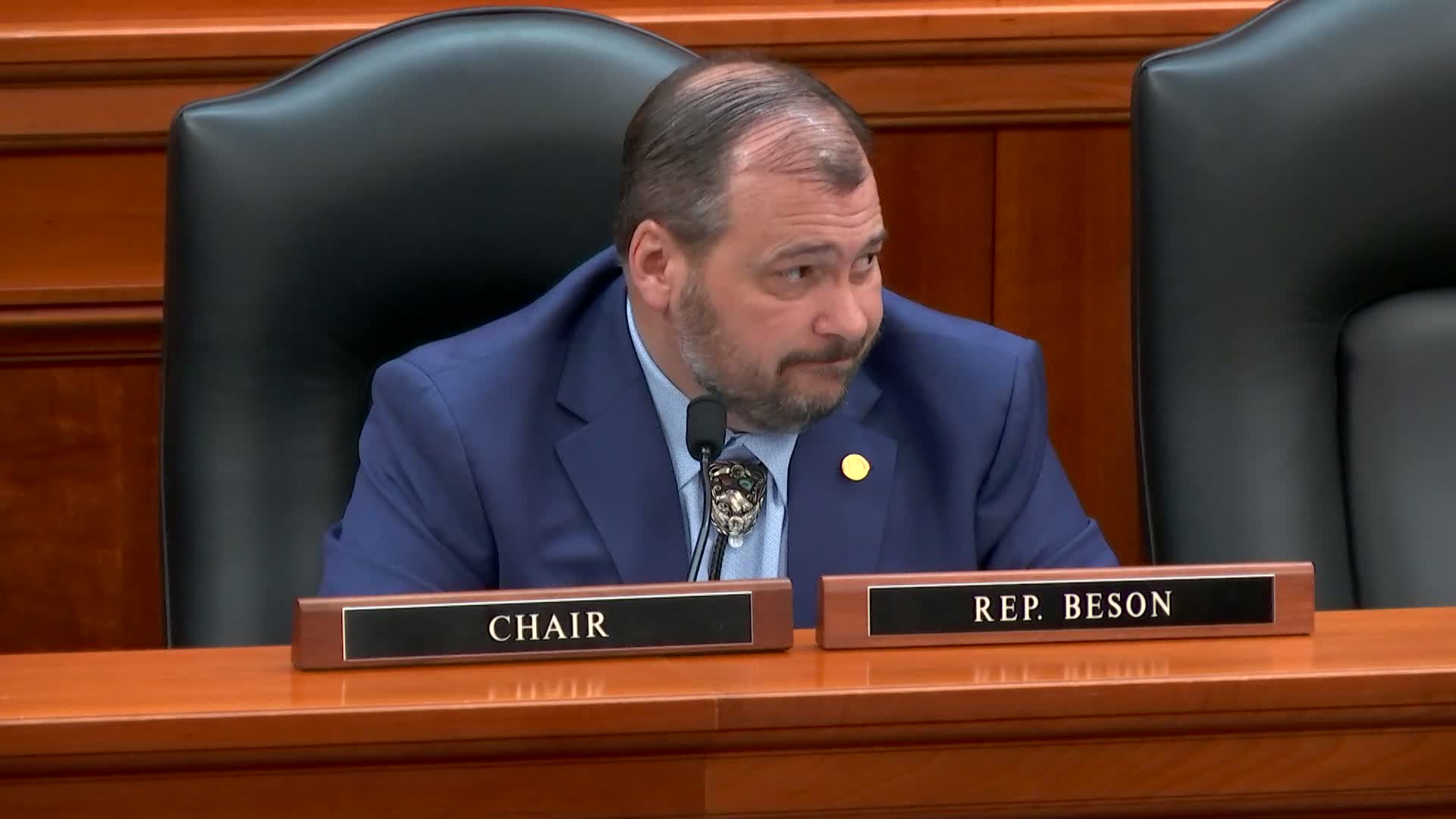
Subcommittee hears DIFS budget briefing; members flag long‑standing license-count issue and two one‑time studies
Summary
The House Appropriations Subcommittee reviewed the Department of Insurance and Financial Services' 2025 budget, focusing on fee-funded appropriations, authorized FTEs and two one-time studies.
The House Appropriations Subcommittee on Licensing and Regulatory Affairs and Insurance and Financial Services received a fiscal 2025 budget briefing for the Department of Insurance and Financial Services (DIFS).
Analyst Unia Kupovich told the committee that the DIFS budget is almost entirely state-restricted revenue from license and assessment fees and that DIFS has not received general fund appropriations since 2022. "Since 2022, DIFS has not received any general fund," she said while summarizing funding history and fiscal trends.
Kupovich said DIFS gross appropriations have increased about 7% over the last five years and that 404.5 FTEs were authorized for 2025, with roughly 93% of those positions in the Insurance Financial Services Regulation unit. She listed two one-time appropriations in the current budget year: $250,000 for an automobile-insurance study examining the effects of the 2019 no-fault reforms, with a report due Sept. 30, and $250,000 for a consumer outreach campaign to inform Michiganders how to file complaints and appeal health insurance decisions.
Committee members sought clarification of license counts for insurance agents and agencies. Kupovich said registered insurance agents increased in number while mortgage licenses declined. The committee received a clarification that many licenses remain active indefinitely: "Once you buy a license in our state, it's forever," a committee member said during the exchange, noting that out-of-state licensees who sell into Michigan are included in the counts and that tracing active license records can be costly.
Kupovich also noted that recent FTE additions in 2023–24 were funded from existing departmental authorization, while 2025 FTE additions included new funding. She described the department's major restricted funds and explained that roughly 90% of DIFS' restricted revenue comes from five principal fund sources derived from insurers, banks, credit unions and mortgage brokers.
The subcommittee did not take formal action during the briefing and scheduled no votes. Members asked for follow-up detail on license-accounting costs and the distribution of fee sources.