Get Full Government Meeting Transcripts, Videos, & Alerts Forever!
Get email alerts on the Special Education Inclusion topic
No spam. Unsubscribe anytime.
Horning Elementary highlights peer-to-peer and Unified programs that boost inclusion
Summary
Horning Elementary staff and students presented a peer-to-peer curriculum, Unified bocce and schoolwide inclusion efforts; presenters said program growth has been supported by grants and PTO fundraising and that the program is zero-cost to the district in direct expenses.
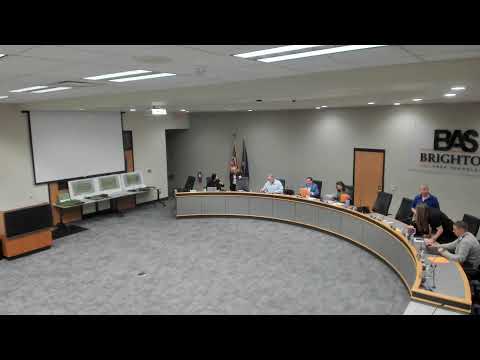
Horning Elementary principal Jack Yates and classroom staff showcased the school’s peer-to-peer and Unified programs during the Brighton Area Schools board meeting, telling trustees the programs increase social inclusion and academic engagement for students with and without disabilities.
Why it matters: Trustees were shown student testimony and program data indicating classroom-level social benefits and reduced behavioral referrals. Horning’s program met the requirements to be designated a Unified Champion School, a status that opens access to grant funding.
Program overview Principal Jack Yates described Horning as “always looking toward the future” and thanked staff and parents for the school’s achievements. Teachers Caitlin Lipinski, Klee Walker and Lisa Kokab presented the peer-to-peer curriculum, which they described as research-based and lesson-driven: each weekly lesson includes an activity, a social connection and an explicit friendship skill.
Student voices Students recorded short testimonials about peer-to-peer during the school’s showcase. Jax, a fourth grader, said, “My favorite thing about peer to peer is that we get to work with kids and have a lot of fun.” Gabriela, also a fourth grader, described bocce as “about sportsmanship. It's not just about winning. It's about cheering on for others.” Charlie, a fourth grader, said peer-to-peer helped him “understand other people with special needs.” (Student remarks were played from a school video and are attributed in the transcript.)
Funding and reach Presenters said the program has grown since a three-year pilot. Horning staff reported using grant funding and PTO support to keep the program’s district cost at or near zero. The presentation noted the PTO’s fundraising: a silent auction and a first read-a-thon had raised close to $18,000, and Horning’s community had raised more than $30,000 for American Heart Association activities over three years. Horning staff said continued volunteer hours from teachers are central to running after-school Unified programs.
Board response Board members thanked Horning staff and students for the presentation and called the program “heartwarming” and encouraging, noting benefits when inclusion efforts begin at the elementary level.
Ending: Horning staff said they will continue to expand peer-to-peer and Unified activities, using grants and PTO fundraising to maintain program costs off the district ledger while volunteers supply most of the program staffing.