Get Full Government Meeting Transcripts, Videos, & Alerts Forever!
Lawmakers and former CFPB officials raise competition and data-access concerns about Elon Musk’s X and nonbank payment platforms
Summary
Several Democrats and a former CFPB official warned that Elon Musk’s plans to turn X (formerly Twitter) into a payments platform, combined with alleged access to CFPB systems by private actors, pose competition and consumer-protection risks for banks and consumers.
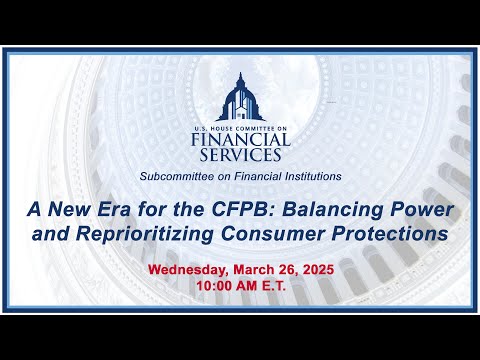
Concerns about nonbank payment platforms and potential privileged access to CFPB market information surfaced repeatedly during the hearing.
Representative Brad Sherman and Representative Sean Casten pressed Seth Frotman and other witnesses about reports that employees of “Doge” or Elon Musk’s affiliates had been present at CFPB headquarters and that Musk had publicly celebrated the bureau’s apparent shutdown on the same day. “It should…
Already have an account? Log in
Subscribe to keep reading
Unlock the rest of this article — and every article on Citizen Portal.
- Unlimited articles
- AI-powered breakdowns of topics, speakers, decisions, and budgets
- Instant alerts when your location has a new meeting
- Follow topics and more locations
- 1,000 AI Insights / month, plus AI Chat