Get Full Government Meeting Transcripts, Videos, & Alerts Forever!
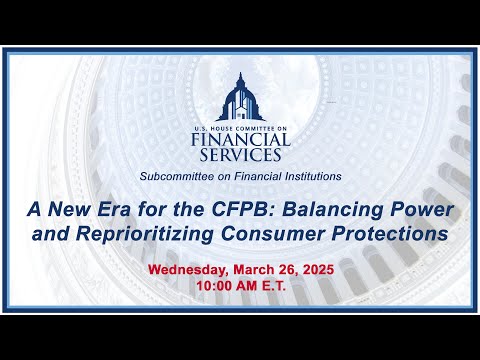
Committee hears industry complaints about CFPB’s Section 1071 small-business data rule; lawmakers press for repeal or revision
Summary
Industry witnesses and several Republican members said the CFPB’s 1071 small-business lending data rule—expanding required data fields from 13 to 81—will raise compliance costs and reduce small-business lending; some members said repeal is warranted.
Members of the subcommittee and several witnesses criticized the CFPB’s Section 1071 small-business lending rule for expanding the number of required data fields and for its potential effect on small lenders and minority depository institutions.
Representative Roger Williams and others said the rule imposes “a mountain of compliance burdens” and will reduce…
Already have an account? Log in
Subscribe to keep reading
Unlock the rest of this article — and every article on Citizen Portal.
- Unlimited articles
- AI-powered breakdowns of topics, speakers, decisions, and budgets
- Instant alerts when your location has a new meeting
- Follow topics and more locations
- 1,000 AI Insights / month, plus AI Chat