Get Full Government Meeting Transcripts, Videos, & Alerts Forever!
Get email alerts on the School Closure Repurposing topic
No spam. Unsubscribe anytime.
Board votes to repurpose Columbus Elementary; students to transition to Edison amid community concern
Summary
The Appleton Area School District board voted to repurpose Columbus Elementary and transition its students to Edison, citing low enrollment and student outcomes. Neighbors and parents urged more community engagement and detailed transition planning during public comment.
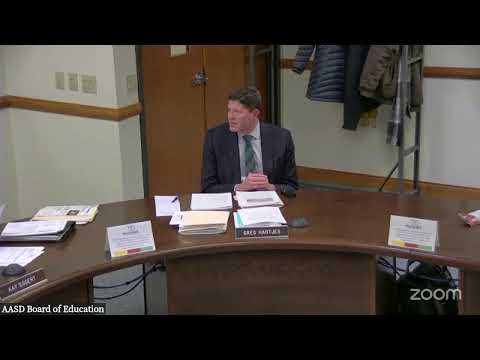
The Appleton Area School District Board of Education voted to move forward with repurposing Columbus Elementary School and transition students currently attending Columbus to another building, most likely Edison Elementary.
The decision followed months of enrollment monitoring and community engagement. Superintendent Mr. Hartzels told the board the district had delayed any action for several years while monitoring Columbus enrollment, but ongoing low enrollment and student outcomes prompted administration to recommend repurposing. The administration said the move is intended to improve educational services for Columbus students, support staffing stability, and produce district savings.
Why it matters: Columbus has had low enrollment and staff turnover for years, the administration said. Leaders argued that consolidating students into a higher-performing building could provide a fuller student support team, reduce staffing instability, and preserve district resources. Neighbors and parents told the board the decision risks harming neighborhood cohesion and student wellbeing if the transition is rushed or handled without sufficient supports.
Board discussion and vote: Board members debated the trade-offs between educational outcomes, neighborhood impacts and timing. After discussion the motion to repurpose Columbus Elementary and transition students was moved and seconded. The transcript records a roll-call vote with the following recorded responses: Jason Kolpak — aye; Peng (Ping) Tao — aye; Christine (Chris) Sauter — nay; Nick Ross — aye; Edward (Ed) Ruffalo — aye; Kaye Eggert — aye. The transcript did not record a clear roll-call entry for James Bacon on the motion (not specified in the record). The motion passed with a recorded majority in favor.
Public comment: The board heard multiple public commenters urging a slower, more collaborative approach. - Oliver Zorno (Edison parent and Central Neighborhood resident) urged the board to consider process and community trust, asking: "Will the method and message of each decision build or diminish the trust, engagement, and support of the community?" He warned that affected neighbors felt "defeated" and taken for granted. - Christine Codner (resident) said the timetable felt rushed and urged the board to consider long-term effects on students’ mental health. She noted that moving schools can be traumatic and said, "the impact of having to move to a different school is… considered on the ACEs scale an adverse childhood experience." - Amy Sanders (parent) described a child with significant special needs now placed in the district’s RISE program and asked the district to consider developing a durable, district-level program or site to serve students with high needs rather than relying on repeated temporary moves. - Julie Filiphek (resident) called for more collaborative planning between the district and neighbors and asked for partnership rather than a purely top-down process.
Administration response and next steps: Administration said it has drafted a transition plan that draws on other districts’ consolidation work and commits to more community engagement and detailed transition planning. The board chair and several members said repurposing is the start of a longer process and emphasized the need to work with families on safety, staffing, and student supports during the move.
Attendance-boundary timeline: The district presented four boundary options (summarized during the meeting) that would determine where Columbus students would be assigned if the repurposing proceeds. District staff said they will solicit feedback from families in affected areas and provide a summary of that input. Board members suggested narrowing outreach focus to the options that avoid major arterial crossings; several members singled out options 2 and 3 as preferable for walkability and neighborhood integrity. The board indicated it would consider a boundary decision at a future meeting after that outreach, but left the timing flexible.
What remains unresolved: Community members pressed for clearer guarantees on staffing at the receiving school, details about safe walking routes and crossing supports, and a commitment that the district and the city will coordinate about neighborhood impacts. The board did not vote on attendance boundaries at this meeting; staff said they will collect more feedback and bring options back for a vote.
Ending: Board members acknowledged the decision was difficult and repeated a commitment to ongoing community engagement as the district develops a concrete transition plan, school-by-school staffing plans, and safety measures for students who will walk or bike to new assignments.