Get Full Government Meeting Transcripts, Videos, & Alerts Forever!
Get email alerts on the Literacy Region Showcase topic
No spam. Unsubscribe anytime.
Central Region highlights literacy gains; Seaford Elementary showcases student progress
Summary
Regional superintendent Carlotta Noland and Seaford Elementary principal Deirdre Lafford presented gains in attendance and reading and outlined literacy coaching, small group instruction and social‑emotional strategies; a fifth‑grade student described classroom experiences.
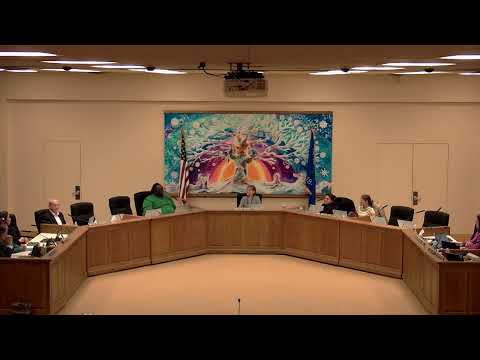
The Committee on Student Achievement and School Innovation heard a regional showcase Thursday from the Central Region (28 schools) highlighting attendance gains, reading improvements and plans to scale literacy strategies. Dr. Carlotta Noland, regional superintendent, and Seaford Elementary Principal Deirdre Lafford presented school‑level data and instructional priorities; a fifth‑grade student, Navari Coleman, spoke about classroom experiences.
Key figures and programs Noland said the Central Region serves 7,641 students across 28 schools and reported that 6.5% are English language learners, 23.3% are students with disabilities and 88.1% are economically disadvantaged. She reported an attendance increase (from 82.2% to 85.7% as of the date of the presentation) and described a reduction in suspensions; Noland gave the current suspension rate as 6.7%.
Reading and mathematics trends Noland highlighted reading gains, saying the percentage of students performing “significantly below” reading targets decreased from about 57.0% to 38.0% (a 19.4 percentage‑point change) from winter to winter; students meeting or exceeding targets rose from 9.6% to 14.4%. In mathematics, students performing significantly below target decreased from 43.9% to 39.7%.
Instructional strategy and school example Noland said the Central Region is emphasizing the science of reading through teacher training (Letters training), universal literacy instruction rubrics, professional development cycles and coaching. The region’s Cycle 3 focuses on increased rigor in whole‑ and small‑group instruction and progress monitoring. Leaders are expected to create leader action plans (LAPs) that align SIP priorities with small‑group instruction monitoring.
Seaford Elementary Principal Deirdre Lafford presented school data for Seaford Elementary (enrollment 201 students). She said students with disabilities are 18.4% of enrollment and 85.1% of students are economically disadvantaged. Lafford said Seaford decreased the share of students performing significantly below target in reading from 52.2% to 41.1% and saw math improvements from fall to winter, including a 2.1 percentage‑point rise in students meeting proficiency. She described partnerships (City Year Milwaukee, Project Lead the Way, Forward Scholars and business volunteers) and student‑led dismissals.
Student perspective and community response Fifth‑grader Navari Coleman described increased confidence and academic gains since transferring to Seaford, saying his grades improved from Cs to As and he credited teachers and focused programs. A public commenter, Quintin Klabon, praised Central Region progress and asked for percentage data on students assigned to personalized reading plans under state Act 20; administration said data are being collected and offered to provide the information to the committee at a future meeting.
Why it matters The showcase linked instructional strategy (science of reading and small‑group instruction) to measurable changes in screening data and attendance. Board members praised the school visit experiences and asked for follow‑up data on reading‑plan participation and program impacts.
Follow-up requests Directors requested district‑level data on the percentage of students on personalized reading plans (Act 20) and further reporting on progress monitoring and transition work for students identified for targeted literacy interventions.