Get Full Government Meeting Transcripts, Videos, & Alerts Forever!
Get email alerts on the Land Use Zoning topic
No spam. Unsubscribe anytime.
Council to consider scheduling Canaveral Heights comprehensive-plan and land-use changes after neighborhood outreach
Summary
City staff presented illustrations and proposed amendments to expand an urban mixed-use designation and revise development standards in the Canaveral Heights study area; staff requested permission to schedule transmittal and adoption hearings at a later regular council meeting.
City Manager Brad Parish presented proposed comprehensive plan text and map amendments for the Canaveral Heights study area and asked the council to authorize scheduling public hearings and a transmittal to the state. Parish described the Canaveral Heights study area as the neighborhood immediately west of the downtown Community Redevelopment Area, roughly bounded by Garden Street, South Street, Park Avenue and the railroad tracks.
Parish said the Canaveral Heights work grew from an earlier Titus Tomorrow effort and several community meetings beginning in 2023; the presentation focused on proposed changes to housing, future land use and transportation policies and on draft land-development regulations intended to implement those policies. The consultant and staff produced illustrations showing potential development under current standards versus proposed standards, and Parish said the package would be processed first through a transmittal hearing to be sent to the state and later for adoption hearings.
Why it matters: the proposals would expand the area designated urban mixed use and change development standards intended to encourage "missing middle" housing types (duplexes, triplexes, fourplexes) and to reorient buildings toward streets. Parish said the current multifamily density in the area is 15 units per acre and staff proposed increasing the base to 20 units per acre (the consultant initially suggested 30 but the draft was worked back to 20). Parish also described incentive-based bonuses that could allow an additional five units per acre when projects meet listed public-benefit standards.
Council members and residents pressed staff on specific regulatory details. Reverend Nelson and others asked for clarity on how reduced landscape buffers and rear setbacks would function in practice; Parish explained that existing urban mixed-use regulations allow landscape buffers to be reduced consistent with building setbacks and that the draft code also regulates building orientation and the placement of parking to keep buildings closer to the street. Member Muscasio asked how bonus incentives (for example, for affordable or workforce units, or "improvements to an existing bus stop") will be defined and enforced; Parish directed council to draft code pages (pages 69'76 of the packet) that contain the proposed implementing regulations and said the draft code language defines the specific incentives.
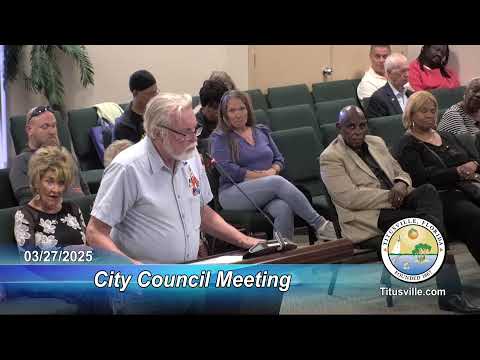
Public comment at the meeting included objections from a longtime area resident who said the neighborhood is a historic African American district and expressed concerns about reduced rear setbacks, increased density and incentives that could allow taller or more intense development. Parish and the consultant said community meetings included illustrations intended to show how orientation and parking regulations would limit the visual and physical impacts of higher density and that the illustrations appeared to reduce some residents' concerns at the final meeting.
Action requested and next steps: Parish asked the council to place both a comprehensive plan text amendment and a comprehensive plan map amendment for Canaveral Heights on the council's regular meeting agenda at 6:30 p.m. for transmittal to the state, followed by state review and then return for adoption hearings. No formal council vote on the amendments occurred during the special meeting; staff will schedule the public hearings if placed on the regular meeting agenda.
Ending: If the council directs staff to schedule the transmittal hearing, the amendments would proceed to state review and then return to the city for final public hearings and possible adoption. Council members asked staff to tighten code definitions for bonuses and to provide more concrete visual examples showing how the proposed setbacks and height allowances would be implemented.