Get Full Government Meeting Transcripts, Videos, & Alerts Forever!
Get email alerts on the Open Meetings topic
No spam. Unsubscribe anytime.
Milford Select Board to consider stricter Right-to-Know posting rules after residents cite inconsistent notices
Summary
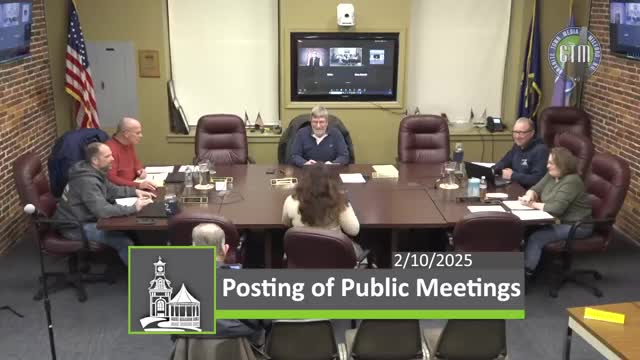
Residents told the Milford Board of Selectmen on Feb. 10 that meeting postings are inconsistent and difficult to find. The board agreed to place proposed changes to the town's Right-to-Know posting practice on the next agenda and asked staff to include the current policy in meeting packets for review.
At the Feb. 10 meeting of the Milford Board of Selectmen, residents urged the board to tighten how the town posts public meeting notices and to make the town website a reliable place for those postings.
Ms. Coco, a resident who asked to be placed on the agenda to discuss Right-to-Know issues, told the board that “there have been a number of cases where the postings have been inconsistent” and asked that one of the required public postings be the town’s electronic calendar so the public can reliably find meetings. She also asked that, once a meeting is booked, it be put on the calendar so residents have at least some advance notice even when agendas are finalized within 24 hours of a meeting.
The exchange expanded into a longer discussion involving several residents and Select Board members about the town website, volunteer capacity, and staff responsibility. Jessica Hudson, a resident, urged the board to consider a “living document” or project-status area on the new website that would show action items and progress so the public can track projects. Other residents, including Mike Thornton and Scott Campbell, described sporadic posting and cancellation notices that have caused confusion.
Selectman Tim Feynon (chair) said the board can do better and that website improvements should fold into ongoing GTM work. Board members debated whether posting responsibilities should remain with volunteers who run committees or be assigned to paid department staff; several speakers urged department heads to ensure meetings related to their departments are posted properly. Participants discussed a previously compiled spreadsheet identifying which town employee has posting access for which committee; the board said that list should be redistributed with clear instructions.
Board members also discussed practical fixes: adding an “upcoming meetings” block or banner on the front page of the town website, posting cancellations in a consistent place, and re-circulating the spreadsheet that links committees to staff posting responsibilities. Several speakers said the current Right-to-Know policy addresses records requests but does not explicitly describe posting location and website-calendar requirements.
Outcome: The board agreed to put the matter on the next Select Board agenda, with the town administrator asked to provide the existing Right-to-Know policy in the packet and to propose specific posting-language changes for discussion. Selectman Feynon said he would ask Town Administrator Lincoln Daly to include the policy and related materials in the next packet so the board can consider edits at the following meeting.
Why it matters: Consistent, visible postings affect public access under RSA 91-A (New Hampshire’s Right-to-Know law). Board members and residents emphasized that poor or inconsistent posting can create confusion for residents and create legal risk for the town.
Next steps: The Select Board directed staff to place the Right-to-Know posting topic on the next agenda, circulate the current policy and the earlier spreadsheet listing posting responsibilities, and return with draft language for the board to consider.