Get Full Government Meeting Transcripts, Videos, & Alerts Forever!
Get email alerts on the Special Assessments topic
No spam. Unsubscribe anytime.
Council debates special‑assessment policy for 2025 projects; motion to explore lower interest rate passes, cut to assessment percent fails
Summary
Council discussed special assessments for 2025 street projects and heard staff models showing the homeowner share at 30% versus a proposed 25% split; a motion to explore lowering the assessment interest rate passed, while a direct reduction of the homeowner percentage failed.
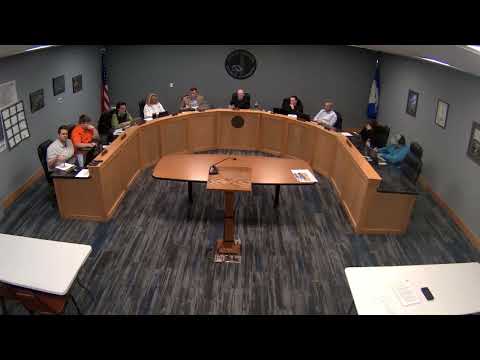
The Kasson City Council devoted an extended portion of its April 1 meeting to special‑assessment policy for the 2025 project cycle, focusing on how much of street, water and sewer improvement costs should be assessed to benefiting property owners and how the remainder should be paid.
Staff presented the Southwest reconstruction project figures and said a 30% homeowner assessment equates to $803,400 total assessed (about $9,030 per residential equivalent unit, RU), which would be roughly $91 per month if paid under a 15‑year installment default. Staff modeled a 25% assessment and said that would reduce the assessed total to about $669,000 (a roughly $135,000 difference), lowering the RU share to roughly $7,591 (about $76 per month) and saving roughly $3,000 over the 15‑year payment period for a typical property owner.
Council discussed options to pay the difference if the city reduced the homeowner share — including using the city’s stabilization fund (staff reported roughly $1.7–$1.76 million in reserves in recent records) or spreading the gap across all utility customers. Staff estimated that allocating the $135,000 gap across approximately 2,500 utility accounts would equal about $54 per account per year.
Council held two consequential motions. One motion, to direct staff to examine lowering the interest rate charged on assessments (staff to present a recommended interest rate at the assessment hearing), passed after a motion and second. Councilmembers discussed alternatives such as tying the assessment interest rate to the city’s most recent bond rate rather than to a high prime rate in the market. A subsequent motion to reduce the assessment percentage from 30% to 25% immediately failed for lack of a second.
Staff said they will present an interest‑rate recommendation and the final assessment roll at the upcoming special assessment hearing.