Get Full Government Meeting Transcripts, Videos, & Alerts Forever!
Get email alerts on the Commercial Food Trailer topic
No spam. Unsubscribe anytime.
Board tables proposal for permanent food trailer at 490 North Cassidy, asks for screening and landlord participation
Summary
The board tabled a request to install a permanent food trailer at 490 North Cassidy and asked the applicant to return with a detailed screening plan and landlord participation; staff flagged building‑ and fire‑code issues if the trailer remains permanently on site.
The Board of Zoning and Planning on March 27 tabled a request to install a permanently sited food trailer at 490 North Cassidy and directed the applicants to work with staff and the property owner to present a more complete screening and operational plan at the April meeting.
The applicant, Joash Khan, and an associate described the proposal as a food‑service operation adjacent to the existing convenience store at the Cassidy strip center. Staff noted two parallel issues: (1) if the trailer is moved daily it is treated operationally as a mobile vending permit that staff can handle administratively, but (2) the applicant seeks a permanent presence on site, which staff treats as an accessory structure that triggers zoning restrictions on accessory structures in the mixed‑use commercial district.
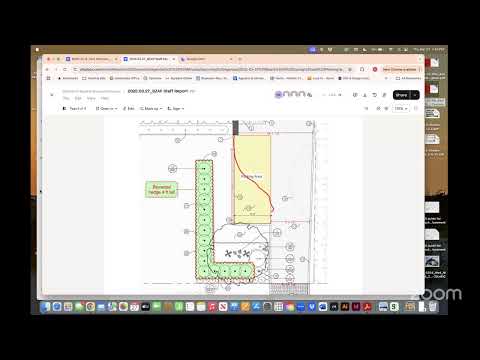
Jason Souty, city planner, and Matt Ashermeyer, staff member, told the board the property currently lacks the screening and dumpster enclosures the code normally requires for parking and service areas visible from public right‑of‑way. Staff recommended the food trailer be reviewed only after the applicant commits to screening the Cassidy and Bellwood frontages and to relocating or screening the dumpster in accordance with mixed‑use design standards; staff also noted that any permanent siting would need to meet fire‑code setback requirements (roughly 10 feet from the building) and the city right‑of‑way limitations.
Applicant representatives said the trailer is stocked and hooked to utilities and that moving it daily would be impractical. “If we move, everything’s going to be messed up,” one applicant said, explaining the operational difficulty of daily removal. The applicant further agreed to explore screening and to coordinate with the property owner, who must permit the use.
Board members and staff recommended submitting a landscape and screening plan that shows plantings or a decorative fence inside the property line (staff discouraged planting in the city right‑of‑way). Staff requested new materials be submitted at least ten days before the April meeting to allow review. The board voted unanimously to table the request to the April meeting to allow the applicant time to produce a detailed plan and obtain the landlord’s participation.
If the board later grants a permanent special permit or variance, staff indicated the Tree and Public Garden Commission should review landscape screening and staff would require clear operational restrictions (no external generators; only one truck present without additional temporary permits; utility hookups maintained). The board stressed that a permanent accessory structure must meet code expectations for screening, setbacks and operational controls.