Get Full Government Meeting Transcripts, Videos, & Alerts Forever!
Get email alerts on the Legislative Procedure Censure topic
No spam. Unsubscribe anytime.
House rejects censure of Speaker over alleged after‑9 p.m. rule violations
Summary
The Maine House voted on a house order to censure the Speaker for allegedly transacting business after 9 p.m. without the required two‑thirds suspension; the motion failed after a tied vote following several hours of debate over precedent and rule enforcement.
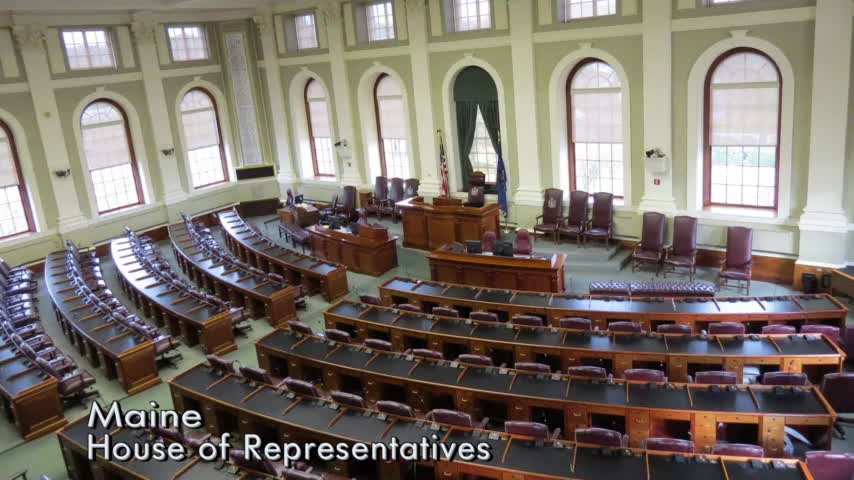
The Maine House on March 25 debated and then rejected a house order to censure the Speaker for allegedly transacting business after the hour of 9 p.m. The motion to adopt the censure was moved by Representative Rudnicki of Fairfield and failed after a roll‑call vote ended in a tie.
The measure accused the Speaker of violating House Rule 5.01, commonly called the “9 p.m. rule,” and of not obtaining the two‑thirds vote required under the chamber’s rules to continue business past that hour. “This rule was put in place for a reason,” Representative Rudnicki said when he introduced the order, adding that members driving home exhausted had been put at risk. Supporters of the censure argued the presiding officer had a duty to enforce the written rules.
Opponents said the censure was not warranted and stressed historical precedent that the House has continued business past 9 p.m. by implication on multiple occasions. Representative Gramlich of Old Orchard Beach argued that longstanding practice and prior rulings had allowed work past 9 p.m. without formal suspension in some past sessions. “The censure of a member of this body should not be taken lightly,” Gramlich said, urging the chamber not to use censure as a punitive tool for disputes over floor procedure.
Other members voiced broader concerns about clarity and consistency in enforcement. Representative Hagan of Hamden called for clearer expectations for new members, saying she was “unsure which rules are to be followed and which are not.” Representative Toole of East Machias suggested raising the threshold required to censure a member to two‑thirds to preserve the gravity of that penalty.
After extended debate and multiple roll calls on procedural questions, the House recorded the final vote on the censure order as a tie; the clerk announced 119 votes in the affirmative and 119 in the negative, and the motion therefore failed. The chair then directed that the Speaker from Biddeford return to the rostrum to resume duties.
The debate highlighted a split among members over whether the chamber should adhere strictly to the 9 p.m. rule as written, or accept past practice and rulings that, some members said, have allowed work to continue by implication. Several speakers urged a legislative fix: either enforce the written rule consistently or amend it to provide a clearer process for extending sessions.
No penalty against the Speaker was adopted; the matter ended with the failed motion and the chamber returned to other business.