Get Full Government Meeting Transcripts, Videos, & Alerts Forever!
Get email alerts on the Dfps Registry Reform topic
No spam. Unsubscribe anytime.
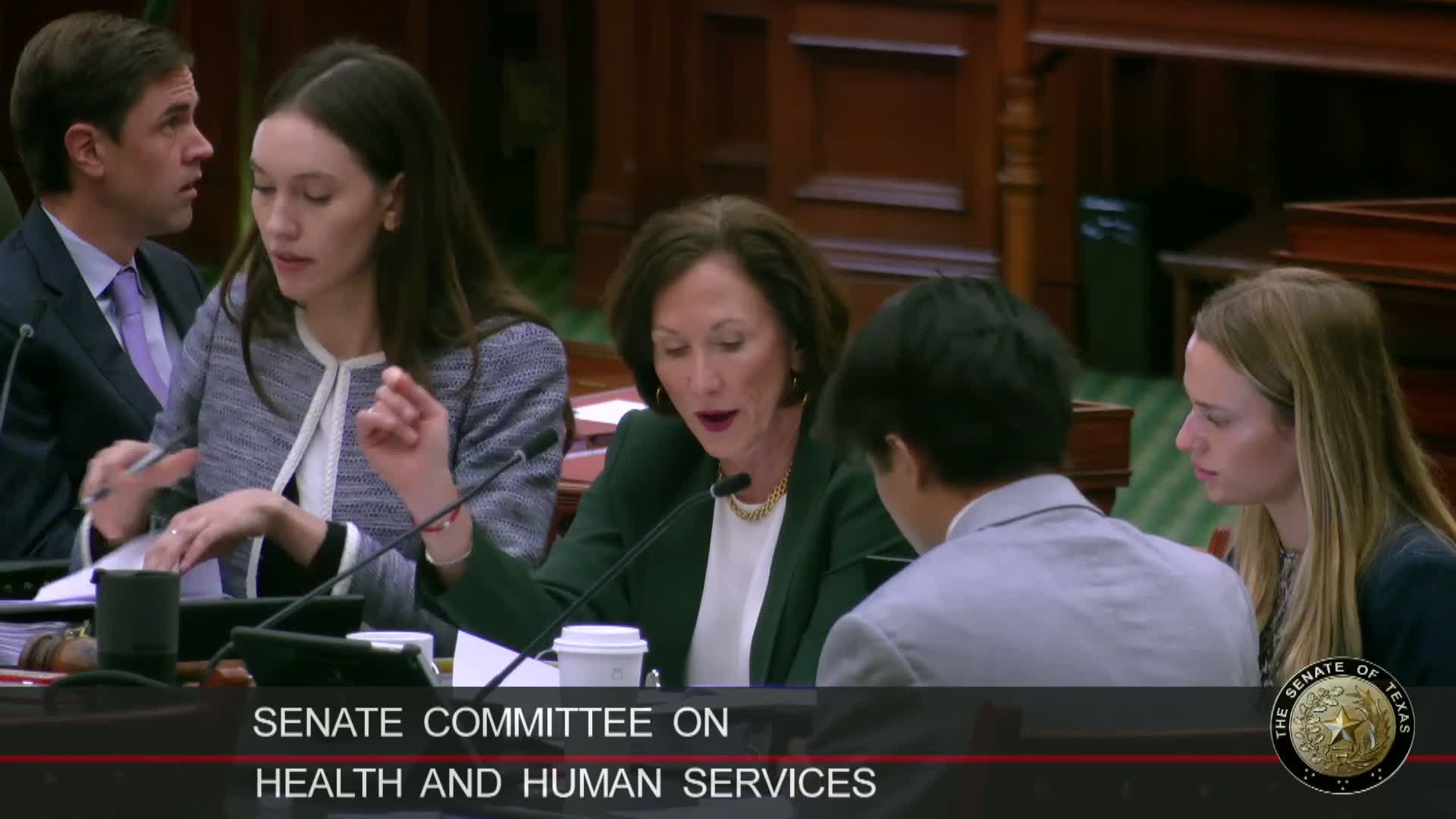
Senators lay out dueling central-registry bills to add due process and expungement for DFPS listings
Summary
Sen. Birdwell introduced SB 11 95 (expungement) and SB 11 96 (procedural safeguards) to change how the Department of Family and Protective Services adds and removes names from the central child-abuse registry; invited witnesses urged reform and DFPS staff described implementation constraints and resource needs.
Sen. Brian Birdwell laid out two related bills — Senate Bill 11 95 and Senate Bill 11 96 — that would change how the Department of Family and Protective Services (DFPS) places and removes names from the state's central child-abuse and neglect registry.
SB 11 95 creates a statutory expungement review process for people already listed on the registry: it would require DFPS to establish an expungement review panel (including the DFPS general counsel, consumer affairs official, and a volunteer State Bar attorney board-certified in child welfare or family law), allow requests after a two‑year waiting period, bar review for cases involving child fatality, near‑fatality, or court‑ordered termination of parental rights, set hearing timelines (hearing within 60 days, written decision within 30 days of hearing), and require DFPS to remove a name and update records within 10 business days if the panel grants relief. The bill also provides for automatic review and removal in certain long‑elapsed cases and protects review materials from public disclosure under the Texas Public Information Act.
SB 11 96 would change how someone is added to the registry going forward: it prohibits DFPS from adding a person's name unless there is a final order by a court or the State Office of Administrative Hearings (SOAH) finding abuse or neglect, with exceptions for aggravated circumstances (murder, severe sexual abuse, trafficking). It requires written notice to the individual before listing, an opportunity to request a hearing (DFPS must wait at least 31 days and delay listing if a hearing is requested), and a process for internal review while hearings are pending; if a finding is overturned, DFPS must remove the name within 10 business days.
Why it matters: Witnesses — including Andrew Brown of the Texas Public Policy Foundation, Brandon Logan (Family Freedom Project senior fellow), and others — described the registry as a de facto blacklist that can prevent people from working with children, obtaining licenses, fostering or adopting, or volunteering. They said notice is unclear or unreliable, appeals are rare and onerous, and many people never learn they are listed. DFPS invited witnesses (Stephanie Muth, Commissioner; Jennifer Sims, deputy commissioner) told the committee the agency is willing to improve notice and review procedures and noted IT work under way (the Impact system) and funding requests in the agency’s LAR; they also said expanding judicial review statewide would create a large number of additional cases and that some of the FTEs identified in fiscal notes were for SOAH.
Direct quotes (from invited testimony and senators): “We are running a state no‑fly list functioning as a state no‑fly list with no ability to get off it,” Sen. Birdwell said, arguing for statutory review and relief. Andrew Brown said the registry “was meant for data collection and research” but became a background‑check tool without due process. DFPS witness Jennifer Sims said some record‑cleaning steps (death‑matches, automated filters) can narrow the list, but that statutory and adjudicative changes would still require capacity to provide review.
Ending: The chair left both bills pending for invited and public testimony, with members and DFPS staff agreeing to continue working on language and fiscal impacts before formal committee action.