Get Full Government Meeting Transcripts, Videos, & Alerts Forever!
Get email alerts on the Student Data Privacy topic
No spam. Unsubscribe anytime.
Bill aimed at blocking fraudulent school-based data collection draws committee questions over student clubs and enforcement
Summary
Senate Bill 212 would prohibit candidates or campaign groups from fraudulently organizing events in schools to harvest student information and would restrict campaigns from collecting minors' data without school invitation; authors said amendments clarify nonprofit and civic organizations may continue legitimate activities.
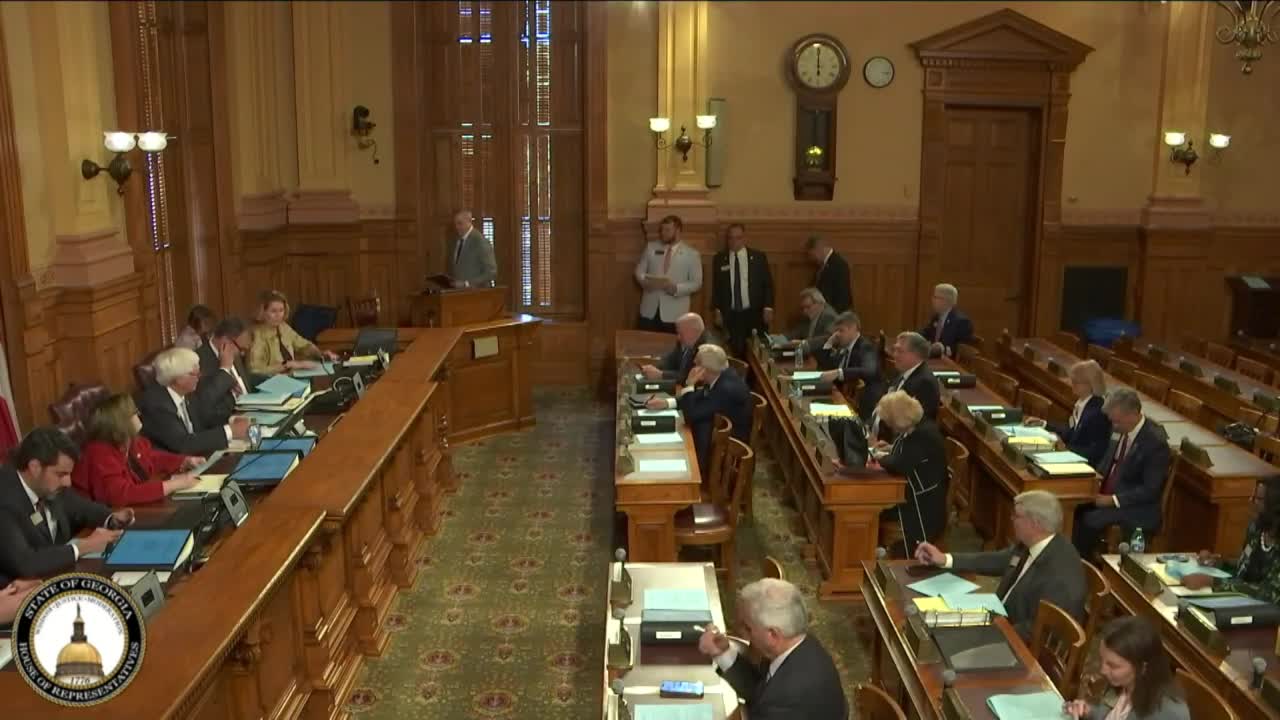
Leader Higley, sponsor of Senate Bill 212, told the committee the bill is intended to protect minors’ information from being harvested by political campaigns that allegedly posed as other groups to gain access to students. "This simply, protects the information of students from campaigns, illicitly, falsely presenting themselves as something they are not," Higley said.
Higley said the bill targets fraudulently organized events (he cited the bill language at line 93) while preserving lawful, invited engagement. He noted an amendment offered in committee—attributed to Leader Harold Jones and Senator Kim Jackson—was added to clarify that bona fide civic organizations (for example, sororities that have traditionally done voter registration) could continue their activities when operating openly and by invitation.
Committee members pressed the sponsor on whether federal protections such as the Family Educational Rights and Privacy Act (FERPA) already bar the practices alleged and whether the bill could chill student political activity. Representative Evans asked whether student clubs such as Young Republicans or Young Democrats might be subject to questioning or penalties; Higley replied the bill targets candidates, campaign committees or PACs that "solicit an individual to fraudulently organize" events and said that student-organized clubs remain free to engage in political speech.
Higley described the bill as intended to stop campaigns from creating fake voter-registration efforts within schools and then passing student contact information to campaigns. He said the measure preserves the ability for invited groups to do voter registration and for students to organize, and that the bill uses the term "fraudulently organized" to distinguish illicit campaign activity from legitimate civic engagement.
No committee vote on SB 212 was recorded at the hearing.