Lifetime Citizen Portal Access — AI Briefings, Alerts & Unlimited Follows
Washoe County greenhouse at May Arboretum ramps up plant production; plant sale set for mid‑May
Loading...
Summary
Washoe County staff described operations at the May Arboretum greenhouse, which opened in February 2019, produces thousands of plants for county planting and sale, and is testing drought‑tolerant species including a planned cactus and succulent garden. The county expects a plant sale around May 15.
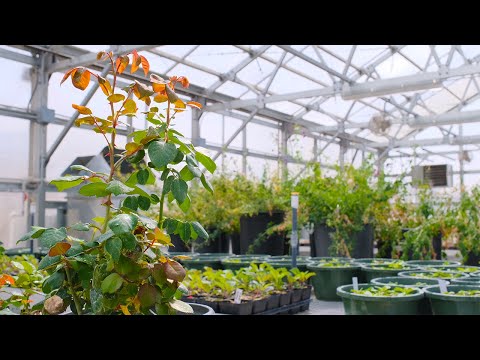
Luke Sorensen, Washoe County arborist and horticulturist, said the May Arboretum greenhouse allows staff to grow locally adapted plants and reduce purchase costs. "We used to kinda beg and have the community come and help and, you know, give us donations. But here, we can actually grow our own plants, do it in house," Sorensen said.
Sorensen and Stephanie D'Arcy, Washoe County parks operations superintendent, said the greenhouse opened in February 2019. Staff aim to produce roughly 7,000 plants in the greenhouse for county plantings and an additional roughly 14,000 plants to sell at the county plant sale. D'Arcy said the annual plant sale has run for more than 35 years and is an important revenue source for the parks program; she said the sale is usually held around May 15 and will be in the Rancho San Rafael front parking lot.
County staff are using greenhouse stock to plant portions of the May Arboretum's undeveloped land. Sorensen said staff plan to plant roughly 2 acres of the arboretum's 11 undeveloped acres with drought‑tolerant and regionally appropriate species, and that some test plantings are already in place with orange cones to mark them. He said the county is developing a cactus and succulent garden and testing climate‑tolerant species to see which survive in the local microclimate.
The greenhouse program includes outreach and demonstration goals: staff said they will display low‑water landscaping examples and encourage native species such as narrow‑leaf milkweed to support monarch butterflies. Sorensen said the narrow‑leaf milkweed is "an important food source" for monarchs and that staff spot monarchs regularly in the arboretum.
The conversation also included practical gardening guidance for homeowners. Sorensen gave timing advice for pruning and transplanting: winter dormancy is the preferred time for most tree pruning, and an average last frost date for the area is May 15. He described the local rule of thumb sometimes called the "pea vine rule": keep tomatoes indoors until snow is gone from the nearby mountains to avoid cold soil damage.
County staff did not provide detailed budgets, procurement schedules or planting contracts during the discussion.