Get Full Government Meeting Transcripts, Videos, & Alerts Forever!
Get email alerts on the District Budget topic
No spam. Unsubscribe anytime.
Prosser leaders outline possible $2M–$2.3M budget gap, say cuts could affect athletics and security
Summary
Superintendent and administrators told the school board the district faces an enrollment-driven funding decline of roughly $2 million to $2.3 million and discussed options including combining middle-school subteams (C-squad), changing security staffing, contracting food services and other cost-savings.
School leaders told the Prosser School District Board of Directors that declining enrollment has created a budget shortfall they estimate in the range of $2 million to $2.3 million and that they are exploring multiple options to reduce costs without reducing classroom positions where possible.
In an informational discussion the superintendent said the district’s enrollment is down compared with the prior year and that state funding follows per-pupil counts. “When enrollment declines, that means the amount of money we have declines,” the superintendent said. The administration described the shortfall as “approximately $2,000,000 to $2,300,000,” and later clarified the reduction is an annual funding loss that will be reassessed as enrollment trends evolve.
Why it matters: a multi-million-dollar gap could produce personnel or program changes next school year; administrators emphasized they are trying to minimize impacts on classroom instruction while identifying savings in extracurriculars, operations and deferred expenses.
Options under discussion included:
- Athletics adjustments: administrators described considering changes to “C-squad” or seventh/eighth-grade combo teams to reduce travel, uniforms and officials costs while keeping varsity and junior-varsity programs intact. - Security staffing: the district said its security guard program began as a stopgap before secure single points of entry were installed during construction; with badge access and completed entry work, the district is evaluating whether and how security staffing can be modified without eliminating coverage. - Food-service contracting: administration is exploring third-party food-service contracts that could lower ordering and preparation costs; officials stressed such a change would not eliminate the need to feed students or to retain some kitchen staff. - Operational savings: the superintendent described smaller measures such as turning off lights in unused buildings, reprogramming irrigation systems, and other building-energy steps. - Insurance pressures: administrators warned district insurance costs have risen sharply and said the district faces limited carrier options statewide.
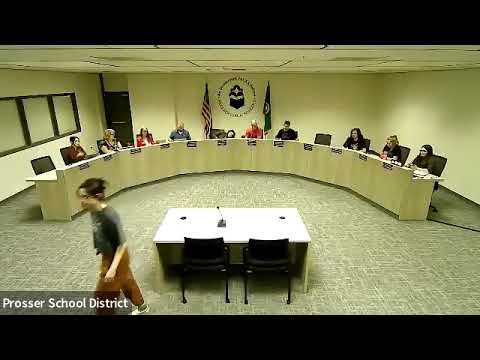
The administration said no final decisions have been made and emphasized a goal of keeping Prosser residents employed within the district where feasible. Board discussion included requests for continued transparency and for officials to return with more specific proposals before any personnel reductions are finalized.
Speakers: Superintendent Tamara (name used in meeting), Chief Financial/Operations staff (Kim), and enrollment director Delise presented figures and options; board members asked clarifying questions. The board did not vote on budget cuts at this meeting.
Next steps: the district said it will continue public communications, solicit community ideas, and make budget decisions during the spring as enrollment and state budget information become firmer.