Get Full Government Meeting Transcripts, Videos, & Alerts Forever!
Get email alerts on the Environment Trees topic
No spam. Unsubscribe anytime.
Council approves first readings of multiple tree-code changes to protect more mature trees and require replacements
Summary
Council approved first readings of several code amendments to expand protections for trees in new development, lower protected-caliper thresholds, and require replacement tree sizing and longer-term maintenance. Council amended one item to require replacement trees be maintained "in perpetuity."
Bastrop on Feb. 11 approved first readings of a package of code changes intended to strengthen protections for trees in new development and to clarify tree-survey and mitigation requirements.
Planning and Parks staff said the package — developed with input from the Planning & Zoning Commission, the Parks & Tree Board and local arborists — includes several linked ordinances that together change protected-tree thresholds, add survey requirements and set standards for replacement trees. The changes are focused on trees tied to new development and are not retroactive to existing, privately held trees.
Key changes that passed on first reading include lowering the size threshold that triggers mitigation from 13 inches to 10 inches caliper, and setting a minimum replacement-tree size standard (the ordinance text sets a nursery-ready replacement at a 2-inch diameter and approximately 5-foot height). Staff said experts agreed smaller nursery-grown specimens often have better long-term survival rates than larger, root-bound stock.
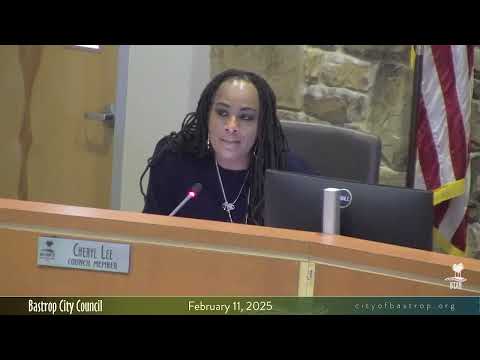
The council also approved language clarifying when tree surveys are required, how protected and heritage trees are identified and the process for arborist review. Councilmembers and staff discussed remedies for dead or dying trees and how the code should require replacement. Councilperson Foster asked that replacement trees be protected longer; council adopted an amendment that replacement trees be maintained “in perpetuity” rather than just for a single-year survival period.
Staff emphasized these changes apply to new development and subdivisions. “This is just for new development,” a staff presenter said when asked about scope. The city’s arborist unit will continue to work with property owners to evaluate imminent public-safety threats and to approve removals where appropriate.
The amendments will return to council for second readings and final adoption on Feb. 25; staff and board members said they will continue outreach to builders and neighborhood groups to explain the new requirements.