Get Full Government Meeting Transcripts, Videos, & Alerts Forever!
Get email alerts on the Parks And Recreation topic
No spam. Unsubscribe anytime.
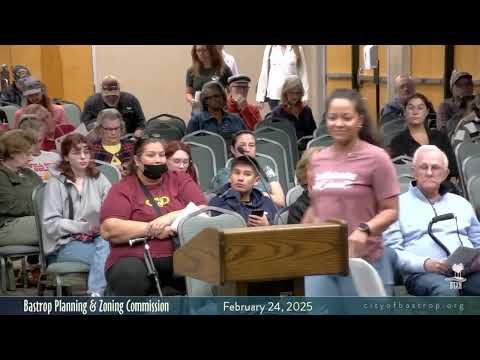
Commission recommends $500 park enrichment fee per unit and new parkland‑dedication rules
Summary
The commission recommended a new parkland dedication framework and a $500 per‑dwelling unit park enrichment fee to help fund park acquisition and improvements. Commissioners debated the fee level and uses before forwarding the measure to Council.
The Planning and Zoning Commission recommended that City Council adopt a new parkland dedication ordinance and a park enrichment fee of $500 per dwelling unit, and clarified rules for how developers may satisfy parkland requirements.
Staff said the new ordinance would replace the current Civic‑space allocations with a standard of one acre of parkland dedicated per 100 residential subdivision units (and one acre per 200 multifamily units), with a minimum contiguous park size of one acre and limits on using floodway/floodplain for dedicated parkland. Staff also proposed a park enrichment fee that developers could pay in lieu of land dedication; the fee would be deposited to a Park Enrichment Fund to finance acquisition and improvements.
Cost examples presented by Parks staff showed substantial required capital work for parks (for example, sizable improvements at Fisherman’s Park), and commissioners discussed whether $250 (previous Parks Board recommendation) was sufficient. Commissioner Jordan Scott and several commissioners argued the city is behind on recreation facilities; others raised concerns that developers will pass the fee through to homebuyers. The commission debated $250, $350 and $500 figures; after discussion a motion recommending $500 per dwelling unit passed with one ‘no’ vote (Commissioner Jeffrey Estes voted no).
The commission also recommended development area mapping (two development areas) to guide where in‑lieu fees are spent and said funds should prioritize acquisition and vertical park improvements (playgrounds, splash pads, restroom upgrades) that add capacity for new residents.
Ending: The recommendation will go to City Council for first reading on March 4; staff will prepare ordinance language specifying dedication formulas, qualifying uses for the fund, and administrative procedures.