Get Full Government Meeting Transcripts, Videos, & Alerts Forever!
Get email alerts on the Elections topic
No spam. Unsubscribe anytime.
Witnesses tell House committee they found evidence of fraudulent registrations and absentee ballots in Detroit
Summary
Two Detroit advocates told the Michigan House Committee on Election Integrity they collected affidavits and voter-list records they say show people were fraudulently registered and cast absentee ballots in Detroit; a separate federal lawsuit is pending in the 6th Circuit after a district court dismissed the earlier challenge for lack of standing.
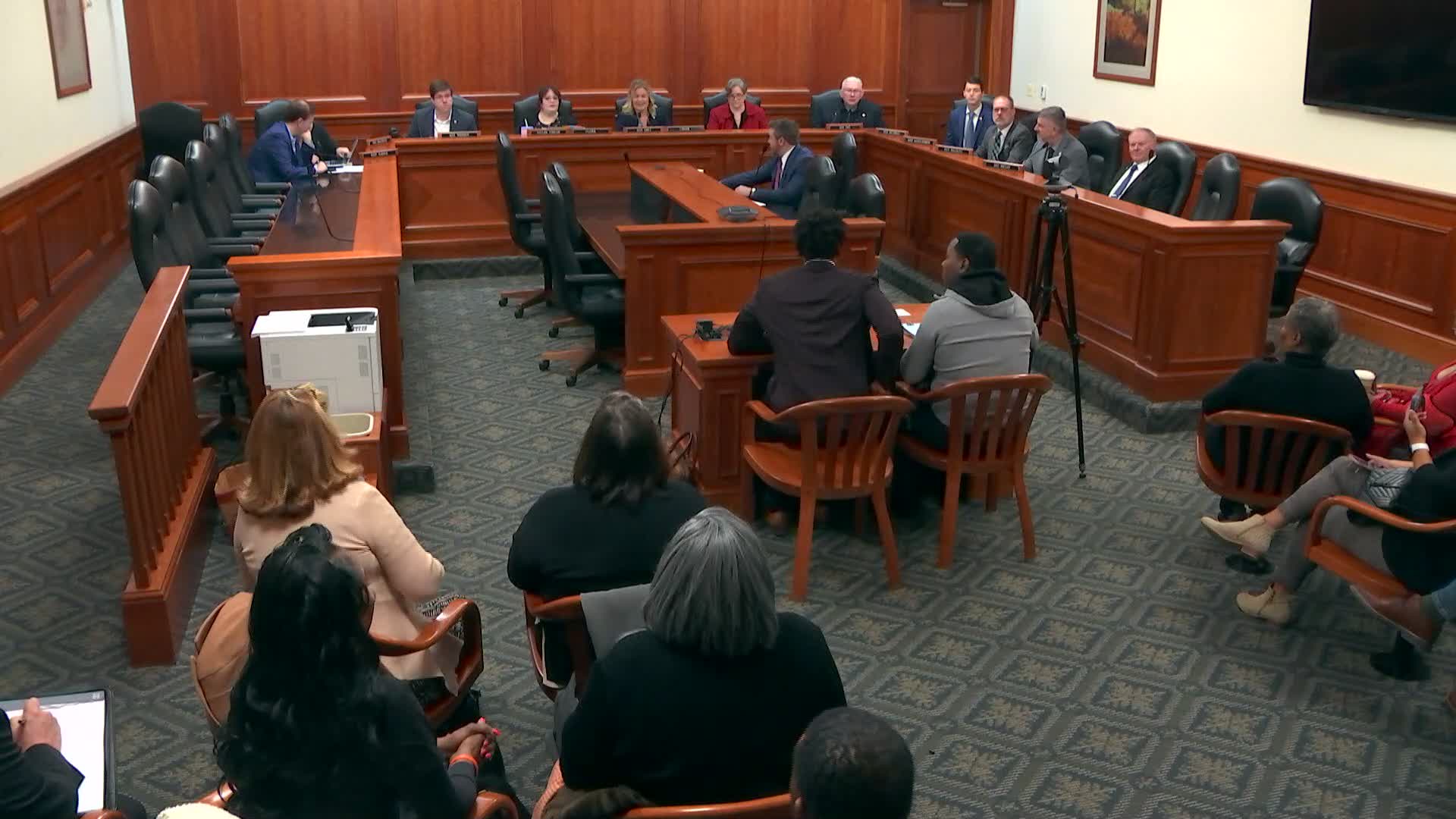
Ramon Jackson, an advocate from Detroit, and Pastor Lorenzo Sewell of 180 Church told the Michigan House Committee on Election Integrity that they had gathered voter-list records, sworn affidavits and other documents they say show people were fraudulently registered and that absentee ballots were cast in their names in Detroit.
Jackson told the committee the evidence includes voter-history reports and affidavits from individuals who say they moved out of Detroit or out of state but later appeared on Detroit voting lists. "We have the proof. It's the people who are the proof," Jackson said during his testimony, citing specific names and affidavits he submitted to the committee and to courts.
The witnesses described a pattern they say targets people with low or no prior voter history who move frequently or leave Michigan. Jackson said those people later appeared as registered voters in Detroit, were placed on permanent absentee lists and had ballots recorded in multiple elections. "They are 100% using people who don't vote and registering them back to Detroit," he said.
Jackson said he has sued the secretary of state and a local clerk and that the case is pending before the U.S. Court of Appeals for the Sixth Circuit (case number 24-2006, as provided in testimony). He told the committee the earlier federal district-court dismissal of his complaint was on standing grounds and not on the merits of the evidence. He also said an assistant attorney general, Heather Mingus, had described some of the registrations as coming from "driver's license transactions."
Pastor Sewell opened the testimony with remarks invoking faith and said the witnesses had come from Detroit to present evidence. Sewell described Detroit as "the largest voting block in the state of Michigan" and argued that if the allegations are true they threaten public confidence in elections.
Committee members asked questions about the evidence and how signatures and absentee applications are verified. Representative Colazar asked how Jackson could say which candidates benefited from the alleged fraudulent votes; Jackson replied he inferred winners because "a cheated vote won't go to a loser" and pointed to aggregate vote totals in Detroit in recent elections. Representative Colazar also pressed on the district-court dismissal; Jackson said the court dismissed the case for lack of standing and that standing does not resolve whether the underlying evidence is valid.
Representative Wooden asked whether Jackson was soliciting donations through 180 Church to pursue investigations; Jackson responded, "Absolutely not," saying he was offering capacity to help locate additional evidence if the committee requested it. Jackson said he and others had provided the committee a packet of voter-history prints, absentee ballot records, affidavits and property records tied to addresses where registrants appeared.
The committee did not take any formal enforcement action or subpoena during the hearing. Chair Smith (Representative Smith), chair of the committee, thanked the witnesses and said cleaning Michigan's qualified voter file was a committee goal: "It is extremely important that we do this work," Smith said. The only formal business recorded at the start of the hearing was the adoption of the March 18 minutes and a motion to excuse absent members; both prevailed by unanimous consent.
Jackson and Sewell urged further review. Jackson told the committee he had identified clusters of registrations at particular addresses, including what he described as a "voter trap house," and provided the committee lists he said showed disparities between lists he obtained from local clerks and a statewide list. He also said some individuals he contacted signed sworn affidavits stating they had not voted in specific elections in which their names appeared.
The hearing record shows the witnesses gave the committee documents and offered to assist further; committee members asked follow-up questions but did not direct staff to particular investigative steps during the session. The committee adjourned after Chair Smith thanked the witnesses and reiterated the committee's interest in accurate voter rolls.