Get Full Government Meeting Transcripts, Videos, & Alerts Forever!
Get email alerts on the State Law Enforcement topic
No spam. Unsubscribe anytime.
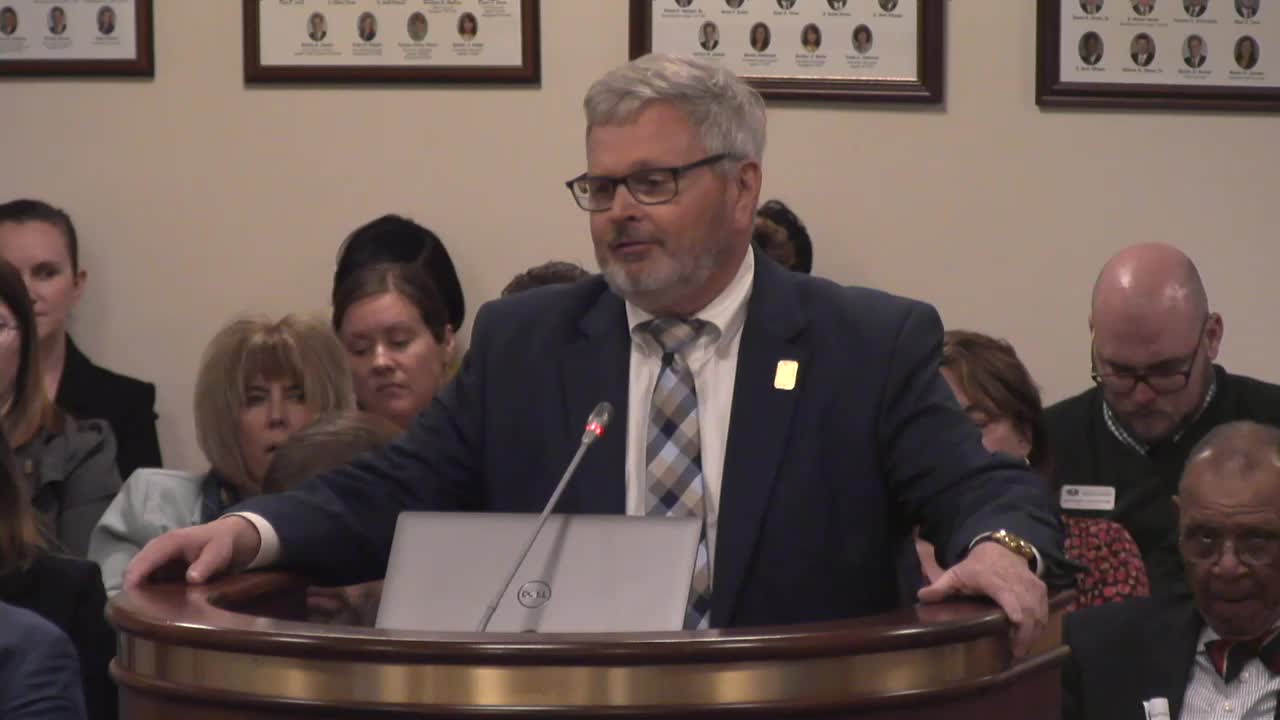
SLED chief defends investigations, describes internal workload and offers community outreach plans
Summary
SLED Chief Mark Keel told the oversight committee the agency’s mission remains to support local law enforcement with investigations and technical resources; he cited arrest statistics for law-enforcement personnel and described outreach and training efforts.
Chief Mark Keel, director of the State Law Enforcement Division (SLED), told the House Legislative Oversight Committee the agency’s historic mission is to support law enforcement across South Carolina with investigative manpower and technical expertise.
Keel told members SLED investigators handle a range of responsibilities assigned by statute or budget, and he addressed concerns raised in public comments. He said SLED investigates misconduct where appropriate and provided arrest counts for correctional officers and police officers investigated by SLED during recent years (examples cited in testimony). Keel emphasized that SLED investigates allegations against law enforcement and correctional personnel and that those matters are difficult but necessary to maintain accountability.
He noted operational issues raised by the public: citizens can request SLED assistance but requests are triaged and only pursued in ‘‘extraordinary circumstances’’ given SLED’s statewide responsibilities. Keel discussed concealed-weapon permit (CWP) processing volume and urged online renewals to reduce workload; he also said the agency had received additional FTEs in the prior budget to make certain temporary positions permanent. Keel described recruitment, regional community-relations staff embedded across the state, de-escalation training and the agency’s emphasis on professional standards.
Committee members thanked Keel for the agency’s work and asked about training, case backlogs and community engagement. Keel said SLED’s labs have forensic backlogs while investigations are assigned and pursued, that agents often handle complex cases that include electronic evidence, and that the agency is committed to improving outreach and diversity training.