Get Full Government Meeting Transcripts, Videos, & Alerts Forever!
Get email alerts on the Aging Programs Overview topic
No spam. Unsubscribe anytime.
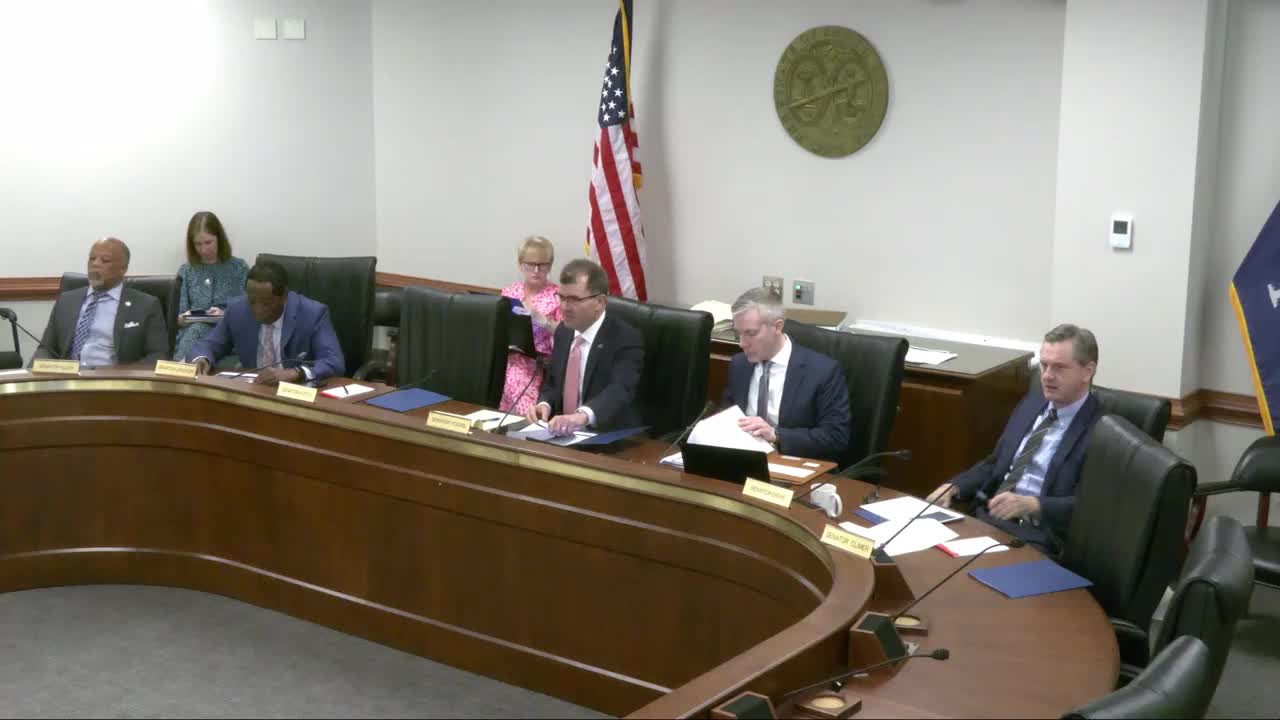
Department on Aging outlines grants, workforce initiatives and online resource hub to senators
Summary
At an Oct. 12 legislative oversight hearing, the South Carolina Department on Aging presented an overview of multiple programs — including the Alzheimer's Resource Coordination Center, senior employment supports, capital grants, an Elder Care Trust Fund and an online resource hub — and supplied details on grant counts and eligibility.
Columbia — The South Carolina Department on Aging presented an overview of its major programs and grant portfolios during an Oct. 12 legislative oversight hearing, highlighting long-running grant initiatives, workforce programs, and an online resource database.
"Since its inception in 1995 we have awarded over 378 grants," the department’s presenter said about the Alzheimer's Resource Coordination Center, which the department said serves as the Dementia Registry Advisory Council and awards competitive grants for education, respite and innovative programming. The department provided a handout listing awards by county and region since 1995. The department said of the 378 grants, 128 were educational programs, 239 were respite care, and 11 were innovative programs.
The department described the Senior Community Service Employment Program (CSEP), a Title V/Department of Labor program for workers age 55 and older. The agency said it hosted a job fair with 83 participants last week, 35 of whom were veterans. The presenter said the program helps older adults maintain income and avoid homelessness by placing them in community work sites.
On capital grants, the department outlined the Senior Center Permanent Improvement Grant program, established by the South Carolina General Assembly in 1991 and amended in 1997. The agency said the program has funded 74 capital projects since 1991, that the fund derives from state bingo and licensing revenues, and that awards may be up to $350,000 (with emergency set-asides for urgent repairs such as leaking roofs).
The department also discussed the Elder Care Trust Fund, created in 1992, which awards grants to nonprofit organizations serving older adults. Officials said the fund has awarded more than $550,000 to over 40 nonprofits since inception and that last year four recipients received $20,000 each (Anderson Interfaith Ministries, Piedmont Agency on Aging, Association for the Blind and Visually Impaired, and Senior Resources).
On workforce and clinical care, the department described the geriatric physician loan forgiveness program, established in 2005. The program repays $35,000 toward medical debt in exchange for at least five years of practice in South Carolina; the department said a proviso is being pursued to increase the award to $50,000. The department reported that 27 physicians have received $840,000 in total awards and that those physicians served more than 10,000 South Carolina seniors since the program began.
The department highlighted GetCareSC, an online database and public resource with more than 421 service listings and a calendar of events to connect older adults, caregivers and people with disabilities to state and local services. The presenter said the tool helps avoid the "maze" of service navigation and estimated the site had been operating for about 10 years.
The department also described its vulnerable-adult guardian ad litem program, which uses volunteers to represent the interests of abused, neglected or exploited vulnerable adults in protective custody and court proceedings, supported by eight staff members at the department.
Senators asked clarification questions on program eligibility, outreach to faith-based organizations, and how constituents experiencing housing instability are routed to housing authorities and local area agencies on aging. The department said it will coordinate referrals and that Millie Cargill is a named contact for follow-up.