
Lawmakers Hear Competing Views on PBMs’ Role in Drug Prices and Formularies
Get AI-powered insights, summaries, and transcripts
Sign Up Free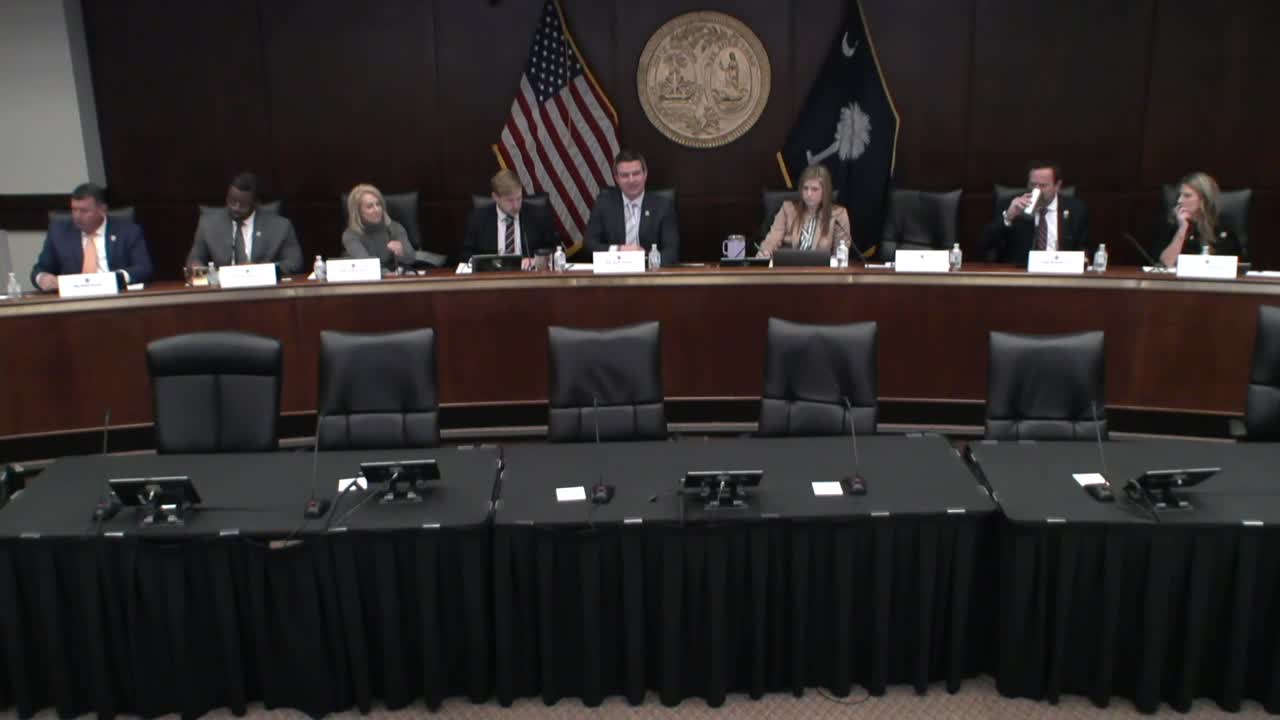
Summary
Lawmakers probing the state’s prescription‑drug system heard competing testimony on the role of pharmacy benefit managers (PBMs), with PBM and insurer witnesses saying they lower overall plan costs while manufacturers, independent pharmacists and patient advocates described rebates, opaque fees and vertical integration that can raise patient costs and reduce community pharmacy access.
CHARLESTON, S.C. — Lawmakers probing the state’s prescription‑drug system on Tuesday heard sharply differing accounts of how pharmacy benefit managers, or PBMs, affect prices, patient access and where prescriptions are filled.
The ad hoc committee convened by Rep. Heath Sessions (chair of the House medical subcommittee) heard PBM and insurer representatives argue PBMs reduce overall plan costs through negotiations, formulary design and clinical programs. Manufacturers and independent pharmacists countered that rebates, opaque fees and vertical integration have created misaligned incentives that can raise out‑of‑pocket costs, steer patients toward PBM‑owned pharmacies and squeeze local drugstores.
Why it matters: PBMs sit at multiple points in the drug supply chain — negotiating discounts with manufacturers, designing formularies and reimbursing pharmacies — giving them outsized influence over which medicines patients can access and how much consumers and plan sponsors ultimately pay. Lawmakers said they called the hearing to understand how that influence affects state purchasers (including Medicaid and the state employee plan) and South Carolina residents.
Most of the panelists outlined a complex flow of money and services. Michael Powell of the Pharmaceutical Care Management Association, which represents PBMs, said PBMs perform claims processing, manage formularies and run adherence and utilization programs for plan sponsors covering tens of millions of people. He told the committee that ‘‘plan sponsors decide how rebates are used’’ and that a small share of plan sponsors use point‑of‑sale rebate pass‑throughs to lower patients’ out‑of‑pocket costs. Powell also said generic drugs dominate dispensing and typically carry little or no rebate.
Manufacturers pushed back that much of the value negotiated as rebates does not reach patients. Charisse Richard of PhRMA pointed the committee to recent federal investigations and studies that found PBMs may exclude lower‑list‑price products from preferred formularies, impose utilization management that delays access, and steer profitable prescriptions to pharmacies they own.
Several witnesses described vertical integration — insurers and PBMs owning specialty and retail pharmacies, and sometimes provider groups — as a driver of the problems the committee is examining. The Federal Trade Commission’s ongoing PBM inquiry (cited repeatedly in testimony) reported large markups at PBM‑affiliated pharmacies and steering of high‑value prescriptions to those pharmacies.
How formularies and utilization rules work: Witnesses described formularies as plan‑level lists developed with clinical review (pharmacy & therapeutic committees) that balance clinical appropriateness and cost. PBMs and their clinical committees defended prior authorization and step therapy as tools to ensure safe, appropriate and cost‑effective use; patient groups and some providers called those tools burdensome and, in cases like cancer care, potentially harmful if they delay needed therapy.
Independent pharmacies and access: Independent pharmacy groups and the National Community Pharmacists Association told the panel that low reimbursements, retroactive adjustments and so‑called ‘‘steering’’ toward PBM‑affiliated pharmacies have forced closures in South Carolina and nationally. Witnesses said independent pharmacies sometimes are reimbursed below their acquisition cost and that state regulators have recorded permit nonrenewals. Several presenters urged reforms such as cost‑based reimbursement (for example NADAC + a dispensing fee), limits on spread pricing and banning PBM ownership of pharmacies.
340B and contract pharmacies: Johnson & Johnson told the committee that the federal 340B program — designed to deliver discounts to safety‑net providers — has grown and in some instances been used in ways that do not return discounts to patients. Witnesses described complex interactions between 340B discounts, Medicaid rebates and contract pharmacies that can reduce manufacturer net prices while exposing patients to list‑price‑based cost sharing.
Patient advocates urged protections: The American Cancer Society told the committee that copay accumulators, mid‑year formulary changes and restrictive utilization management create confusion and financial pain for cancer patients who rely on manufacturer assistance or need immediate access to prescriber‑recommended drugs.
What lawmakers will consider next: Witnesses offered a range of policy ideas — greater transparency on rebates and PBM fees, requiring rebate pass‑through to patients or plan premiums, setting minimum pharmacy reimbursement based on acquisition cost plus dispensing fee, banning spread pricing in Medicaid and curbing PBM ownership of pharmacies. Several states have enacted or proposed elements of these reforms; Kentucky and other states were cited as models for banning spread pricing and improving reimbursement transparency.
The committee did not vote on any legislation at the hearing and invited additional data and follow‑up answers from witnesses. A next meeting was scheduled by the committee for April 8.