Get Full Government Meeting Transcripts, Videos, & Alerts Forever!
Get email alerts on the Child Welfare Regulations topic
No spam. Unsubscribe anytime.
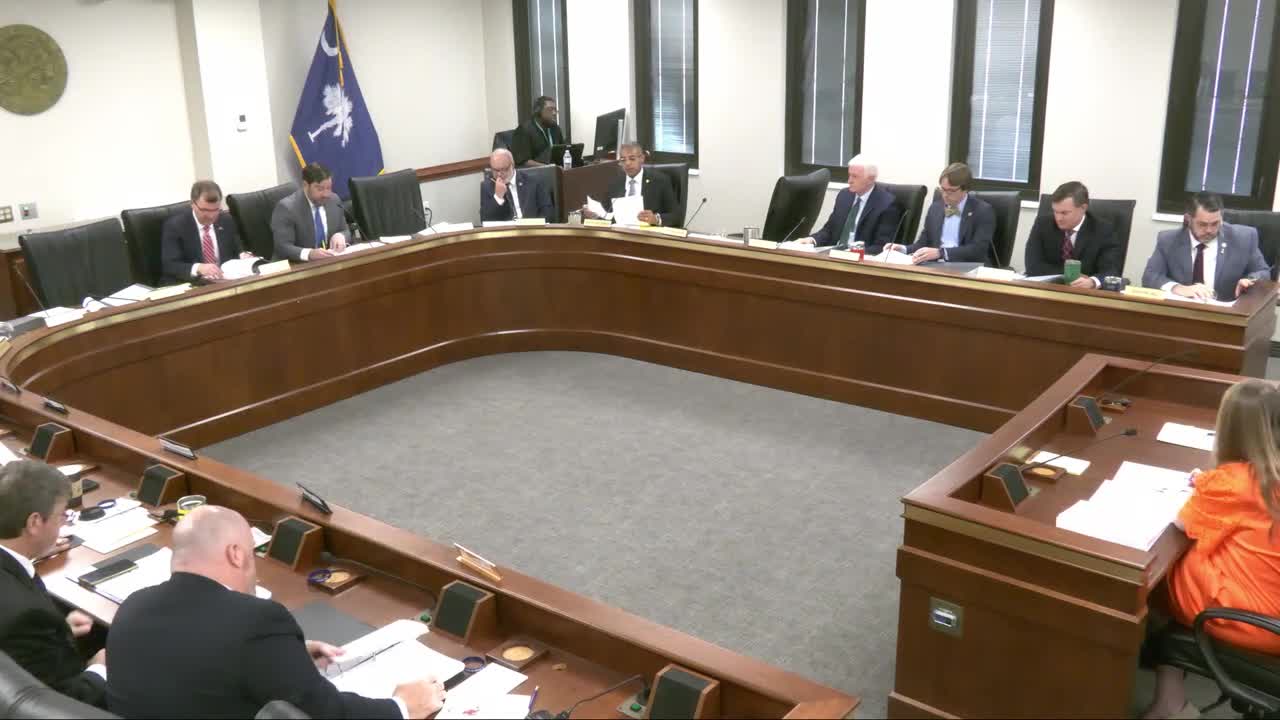
Committee clears child‑welfare cleanup bill and updates to adoption and child‑placing regulations
Summary
House Bill 3654, clarifying guardian ad litem information sharing and reporting requirements, and regulatory updates for certified adoption investigators and child‑placing agencies all received favorable reports from the Family and Veterans' Services Committee.
House Bill 3654, which clarifies that appointed guardians ad litem may share information with county guardian ad litem program staff, the guardian ad litem division and the state child advocate, received a favorable report from the Family and Veterans' Services Committee.
"These changes will streamline the agency's operations and then clarify the authority that's already been used," Senator Florence summarized, citing testimony from Director Whittle of the Department of Children's Advocacy that the bill primarily aligns statute with current practice.
The bill also requires that funds for the Division of Children's Advocacy director and staff be provided in the Annual General Appropriations Act and directs the Continuum of Care Division to submit an annual report to the governor and general assembly through the Department of Children's Advocacy. Committee members noted this was largely a "cleanup" measure to place existing practice into statute, and they recorded a unanimous favorable report by voice vote; proxies were recorded in favor.
Separately, the committee considered two regulation packages from the Department of Social Services.
Regulation document 5303 would update standards for certified adoption investigators, including specifying that investigators have a degree in a human‑services related field and aligning citations to the reorganized children's code (Title 63). Committee staff and DSS witnesses said the Adams‑era regulation had not been substantially revised since the 1990s and that the proposal raises educational and background‑check standards for people who conduct pre‑adoptive and foster‑home investigations. DSS said the change should not produce additional state costs.
Regulation document 5308 is a strike‑all update to child‑placing‑agency rules and adds definitions, aligns standards across foster, adoptive and group‑home providers, and clarifies supervisor qualifications — for example, a casework supervisor would be expected to hold a baccalaureate in a related human‑services field approved by the agency and have a minimum of two years of directly related child‑welfare experience. DSS said stakeholder outreach informed the changes.
Committee members asked about workforce implications — whether raising educational requirements could constrain the pool of qualified applicants. DSS witnesses said the proposed regulatory language mainly codifies existing practice and that agency review and case‑by‑case approvals can preserve flexibility where appropriate.
Motions to move HB 3654 and the two regulations forward were made, seconded and approved by voice vote; committee members recorded no opposition and several senators cast proxy votes in favor. Committee staff said any regulation placed on the Senate calendar will sit for two weeks to allow for member follow‑up before returning to committee or proceeding under Senate rules.
No fiscal figures or numerical vote tallies were provided in the hearing transcript; committee minutes and formal roll calls, when available, will provide detailed vote counts and the final statutory or regulatory language.