Get Full Government Meeting Transcripts, Videos, & Alerts Forever!
Get email alerts on the Childcare Regulation topic
No spam. Unsubscribe anytime.
DSS presents broad updates to licensed childcare center regulations, including longer license cycles and safe‑sleep requirements
Summary
The Department of Social Services presented comprehensive changes to licensed childcare center regulations, expanding staffing pathways, lengthening license cycles to three years, and adding reporting and safety requirements including safe‑sleep training and background checks.
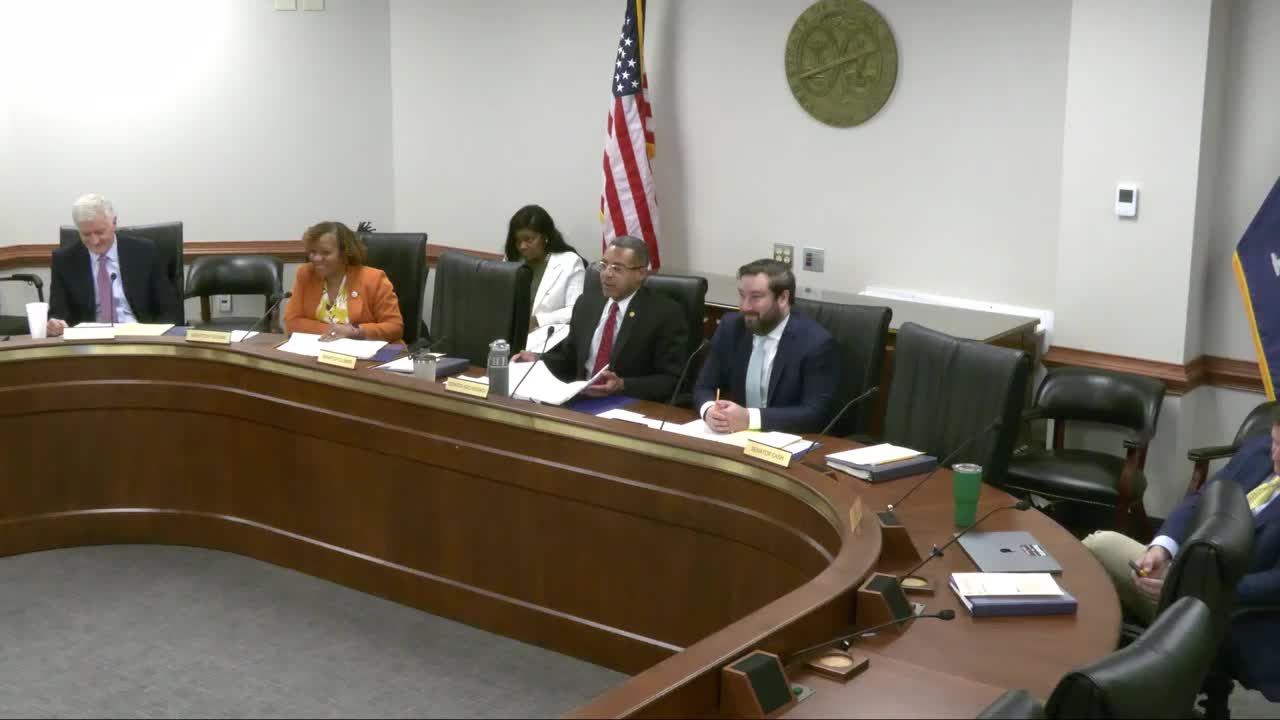
The South Carolina Department of Social Services presented a comprehensive update to licensing regulations for large licensed childcare centers, telling the Senate subcommittee the changes implement statutory reforms, expand staff qualification pathways, lengthen license cycles, and add reporting and safety requirements.
Conley Ann Ragley, chief of external affairs for DSS, said the package (document 5314) reflects work of a 17‑member governor’s advisory committee on childcare regulation that includes parents, center owners and operators, and public members. The regulations incorporate changes from Act 216 of 2024, which extended licensing cycles for centers from two years to three and created additional pathways (including an employability credential) to increase the childcare workforce.
Ragley pointed to multiple specific changes: new and clarified definitions (including "break in service"), extension of license periods to three years consistent with the statute, required FBI fingerprint background checks and checks of the state central registry for child abuse and neglect, reporting obligations for major renovations or structural damage (for example, after storm or tree damage), and a requirement that centers report the death of a child or staff member that occurs on-site or while under the center’s care. The package also includes safe‑sleep-related provisions for infant rooms, intended to reinforce best practices and reduce infant deaths.
Ragley told the committee the state employs its own DSS fire marshals who conduct inspections for licensed centers because of the large number of centers in the state (the department cited more than 2,400 licensed childcare centers). She noted the agency reviews building plans for compliance with international building and fire codes before issuing a license.
The regulation package also aligns staffing qualifications with Act 216 of 2024, adding pathways such as a high‑school-equivalency credential and allowances for six months of experience in caregiver roles, while preserving exemptions and training options. Ragley said the advisory committee reviewed the proposed language over about 10 months and recommended the changes.
The subcommittee carried the regulatory package to the full committee by voice vote and the department reported no additional fiscal impact from the regulatory updates.
Conley Ann Ragley discussed the intent to streamline and harmonize the rules and emphasized safety measures and workforce flexibility as primary goals.