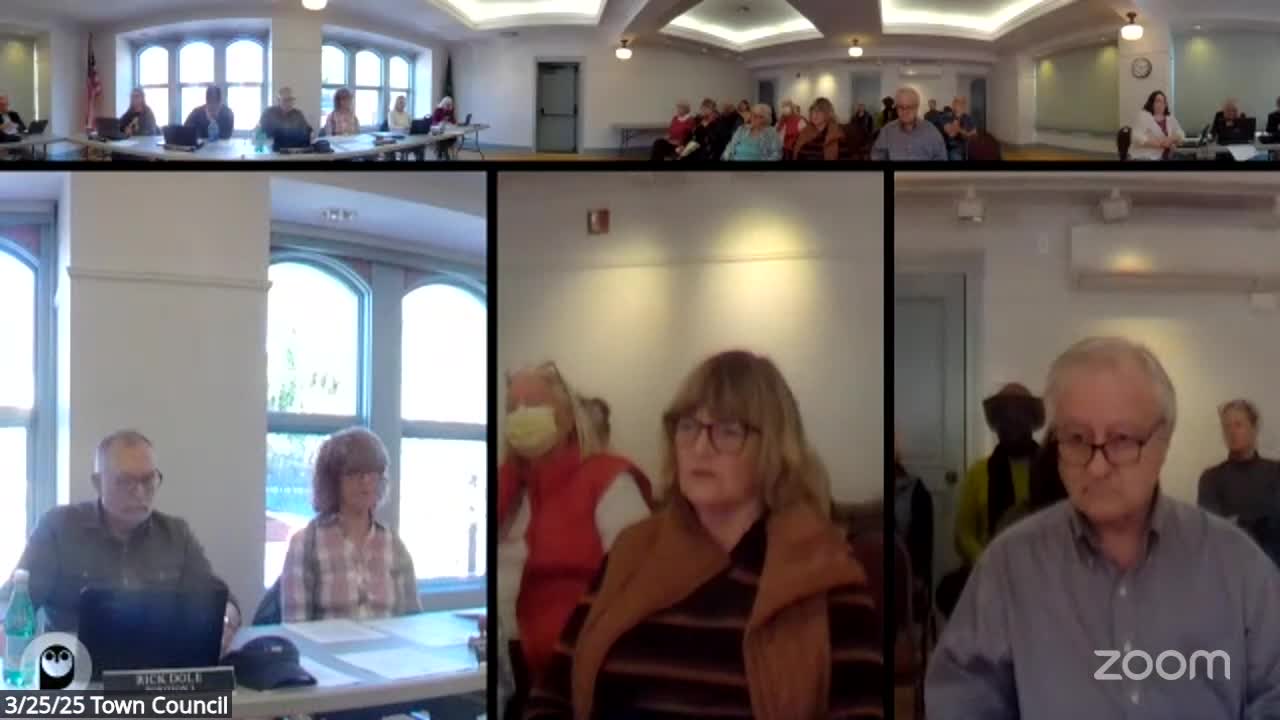
La Conner council approves Moore Clark subarea plan closeout after public hearing
Loading...
Summary
After a public hearing with residents pressing for building demolition and shoreline safeguards, the La Conner Town Council voted to accept the Moore Clark Subarea plan closeout and directed staff to use the plan to align future zoning.
The La Conner Town Council voted to accept the Moore Clark Subarea plan closeout following a public hearing in which residents urged faster action on a derelict building and asked the town to clarify shoreline, wetlands and safety issues.
The plan, which council members said will be folded into the town's comprehensive plan as Appendix 5e of the land-use element if adopted, was described by staff as a community-driven document that will inform future zoning. "Based on the information that's contained in this plan, the staff has begun work on the zoning that will replace the existing zoning," planning staff member Michael said during the hearing.
Residents raised concerns about the condition of the Moore Clark building, potential contamination, flooding and the safety of adjacent parking and waterfront areas. "I've heard a lot of reasons why we can't get that building down, but it's such a hazard," Mary Lee Killinger told the council, citing Municipal Research Service Center (MRSC) guidance and examples from Seattle on expedited demolition authority.
Planning consultant Tom Beckwith and staff said the final draft removes material that reached beyond the study's geographic scope and preserves community input gathered over multiple public meetings and outreach sessions. Staff also noted the town does not own the property and has repeatedly attempted to reach the private owner. The council was told the plan provides a "road map" for future purchasers or developers rather than a mandate for any immediate demolition.
After public comment and council discussion, a motion to approve the Moore Clark Subarea plan closeout passed on a council vote. Council members and staff said the plan will guide zoning updates and that any actions to compel demolition or remediation would involve separate legal and permitting steps and, where appropriate, consultation with the town attorney.
The adoption of the closeout does not itself authorize demolition, nor does it change ownership. Staff said future steps include drafting zoning changes consistent with the plan, continuing outreach to the property owner and clarifying any required shoreline or environmental permits before specific redevelopment occurs.