Get Full Government Meeting Transcripts, Videos, & Alerts Forever!
Get email alerts on the Critical Areas topic
No spam. Unsubscribe anytime.
Students propose comprehensive updates to La Conner critical areas ordinance to meet Growth Management Act requirements
Summary
Students from Western Washington University presented recommended revisions to La Conner’s critical areas ordinance to comply with the Washington Growth Management Act, proposing new definitions, no-net-loss wetland language, priority habitat references and a reasonable use exception; next steps include SEPA review and town council action.
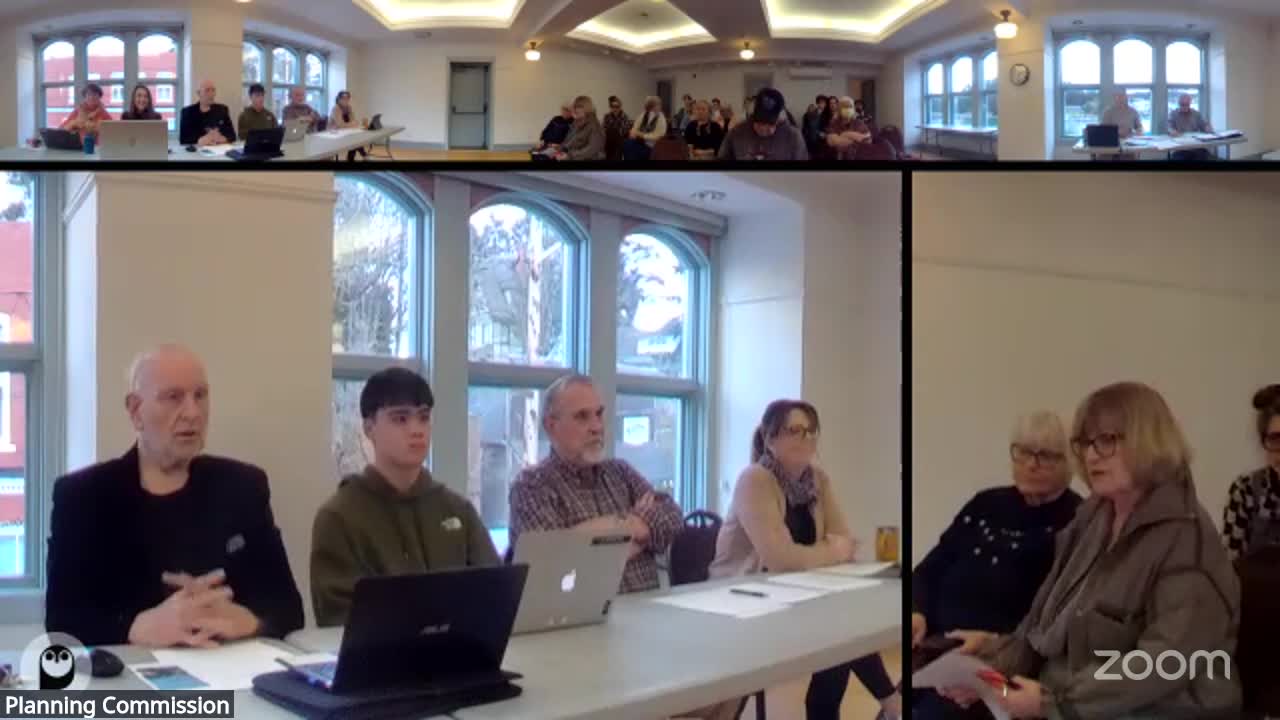
Students from Western Washington University presented a proposed rewrite of La Conner’s critical areas ordinance during the March 18 Planning Commission meeting, recommending changes the presenters said are required under the Washington Growth Management Act (GMA).
The student team told the commission their review found eight checklist items the town must address to comply with the GMA. Their recommended code revisions include strengthening “best available science” requirements for permit conditions, adding explicit no-net-loss language for natural wetlands, updating frequently flooded area mapping references, and creating a new Fish and Wildlife Conservation Areas section that would align local rules with the National Marine Fisheries Service biological opinion for Puget Sound.
The students said their draft also proposes a “reasonable economic use” exception to reduce the risk of regulatory takings while keeping high standards for critical-area protection. They identified specific local priority habitats and species using state tools, noting occurrences of priority freshwater emergent wetlands and records for species such as bats and tundra swan in mapping they consulted.
Town staff and commissioners asked operational questions about implementation. Commissioners were told a SEPA checklist has been completed and that the town council will need to act on the ordinance after planning commission review. Staff cautioned that updating FEMA flood maps is a federal process; students recommended clarifying the town’s code to align with FEMA but noted map changes themselves would require federal review and possible letter of map revision processes.
The presentation drew questions about permit costs and mitigation. Students and staff said some permit applicants will likely need updated wetland delineations and qualified biologists to support applications, which can increase permit costs on a case-by-case basis. The presenters said mitigation and buffer rules in the town’s code would largely remain; the new language aims to clarify standards and references used to identify priority habitats.
Commissioners said they welcomed the work and expressed appreciation; no final ordinance change was adopted at the meeting. The planning commission packet will include the students’ draft, and staff said the draft and its SEPA checklist would return to the commission and then to town council for review.
The commission also asked staff and the students to provide the complete revised section text, cited sources, and clearer maps so the commission can evaluate the proposed changes in detail at a future meeting.