Get Full Government Meeting Transcripts, Videos, & Alerts Forever!
Get email alerts on the Small Business Regulation topic
No spam. Unsubscribe anytime.
Council reviews streamlined food‑truck ordinance draft: single online application, $300 annual fee and $50 single‑event permit proposed
Summary
Council member Craig Stoker introduced a redrafted food‑truck ordinance that trims the application from 14 pages to four, consolidates fees into a $300 combined permit, and creates a $50 single‑event permit for temporary events; the fire marshal and county health inspections remain required.
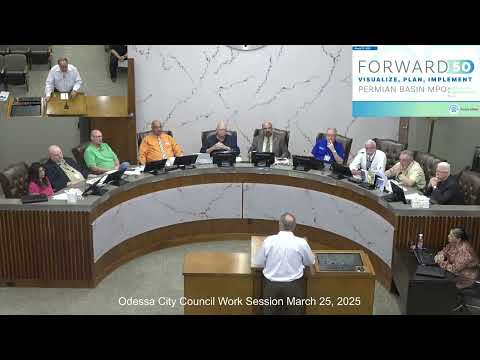
Councilman Craig Stoker presented a newly drafted food‑truck ordinance at the March 21 work session that aims to simplify permitting and reduce duplication between city and county requirements.
Stoker said the rewrite reduces the existing city application from 14 pages to four and moves much of the inspection and health‑code compliance to the county and the fire marshal. The proposal consolidates previously separate fees into a single $300 permit for ongoing operations and creates a $50 single‑event permit for vendors who will operate only at a one‑time event such as a festival or farmers market. City‑sanctioned events would continue to allow appropriately inspected vendors to operate without a separate city permit, Stoker said.
The draft also calls for an online application process (MGO) so vendors can complete forms, pay fees and schedule inspections through a single portal. Stoker said the aim is to prevent vendors from being bounced among departments during the application process.
Zoning and operating rules: staff and council members noted existing zoning limits on food‑truck locations (no operation in residential areas) and the need for written permission from property owners when vendors operate from private parking spaces. The ordinance retains limits on operating hours and requires vendors to vacate their site after hours and maintain a designated home base.
Implementation logistics: the fire marshal will manage the city portion of inspections and the building out of the online permit page will follow coordination with communications staff. Council asked staff to return the ordinance for formal approval on a regular meeting agenda; one council member suggested putting the item on the April 8 agenda for final consideration.
Ending: Council members praised the streamlined approach and asked staff to address a remaining zoning issue that currently prevents food trucks from operating at certain downtown locations until codes are adjusted.