Get Full Government Meeting Transcripts, Videos, & Alerts Forever!
Get email alerts on the Arpa Spending topic
No spam. Unsubscribe anytime.
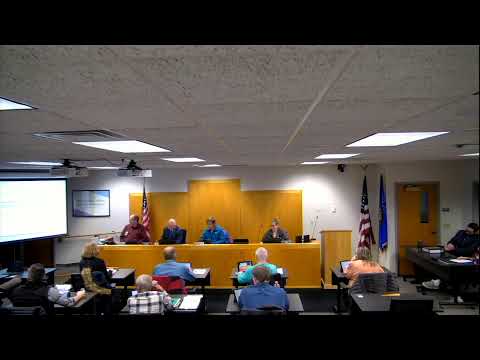
Chippewa County presents final ARPA project review: roads, radios, parks and nitrate mitigation among investments
Summary
County officials summarized remaining ARPA projects and spending, including highway paving, sheriff radios, land conservation cover‑crop and water refill stations, park upgrades, and radio tower funding.
Chippewa County staff presented a final review of projects funded with American Rescue Plan Act (ARPA) allocations, reporting the county has spent its ARPA tranche on a mix of capital and one‑time projects and summarizing outcomes across departments.
County Administrator Randy Schultz said the county used ARPA for broadband, longevity bonuses, and infrastructure and emphasized that Chippewa County established procedures early to limit use to one‑time expenses. "We did ... a really good process on how to move forward with, spending the monies," Schultz told the board.
Highlights presented to the board: - Highways: The highway department used an $8 million ARPA allocation to prioritize low‑volume roads to maximize miles paved; staff reported roughly 41 miles of paving were completed over the multi‑year program and crews completed about 36 miles under the original plan, with an additional $1.99 million later added to highway work. - Sheriff radios: Chief Deputy Curt Dutton said ARPA provided about $190,000 toward a county radio swap and a separate $100,000 grant (Senator Van Orden) helped accelerate work to upgrade analog and patrol radios and buy equipment to ensure digital compatibility. - Land Conservation: Director Linda Schweickert described a $500,000 program split between prevention (a four‑year cover‑crop cost‑share program) and remediation (community water refill stations in identified high‑nitrate townships). She said the cover‑crop program enrolled landowners on nitrate‑sensitive soils and paid the first year up front; the county has completed its third year and has one year remaining on the four‑year contracts. - Parks and facilities: Facilities Director Larry Ritzinger listed park investments including new restrooms and showers at Otter Lake, a new north restroom at Pine Point, 53 lightweight picnic tables and 13 heavy‑duty tables, benches, and automated firewood dispensers where cell service permitted card payments. - Radio towers and courthouse AV: Remaining radio equipment deliveries and courtroom audiovisual installations are pending vendor scheduling; $264,227 from completed radio tower projects was transferred to radio operations per prior resolution.
County staff said the final ARPA report will include department presentations and that they took a conservative approach when reimbursements were uncertain. Randy Schultz said Sikich (consultant) helped staff assess what qualified as allowable uses under evolving federal guidance.
Ending: County officials characterized ARPA investments as largely complete and pointed to specific operational benefits—improved radio interoperability, more paved miles, water access in nitrate‑affected areas and park upgrades—while noting a few vendor and reimbursement items remain to close out.