Get Full Government Meeting Transcripts, Videos, & Alerts Forever!
Get email alerts on the Veterans And Public Safety topic
No spam. Unsubscribe anytime.
Sponsors propose 14-foot ‘halo’ around emergency scenes; committee raises enforcement, overlap with obstruction law
Summary
At a first hearing, sponsors of House Bill 20 told the Ohio House Public Safety Committee the measure would create a 14-foot buffer to keep bystanders from impeding first responders; members asked how the new offense would interact with existing obstruction statutes and how prosecutors, grieving relatives and protesters would be treated.
Representatives Thomas Hall and Phil Plummer introduced House Bill 20 at a first hearing of the Ohio House Public Safety Committee, proposing a 14-foot buffer around active emergency scenes to protect first responders from interference.
The bill’s sponsors said the measure would help firefighters, paramedics and police carry out life-saving work without disruption. “This bill is an opportunity for us to once again provide protections for those that day in and day out put their lives on the line,” Representative Thomas Hall said. Representative Phil Plummer summarized the proposal bluntly: “Just give us 14 feet to do our jobs.”
Supporters told the committee the proposal is intended to be narrow and practical. Plummer and Hall said the bill would allow first responders to order people to step back and include a warning step before arrest; they also said some states have similar laws (one sponsor referenced a 25-foot rule in Florida). Plummer said the measure would target people who “throw a camera in your face” or otherwise impede emergency care, and that most people comply after a warning.
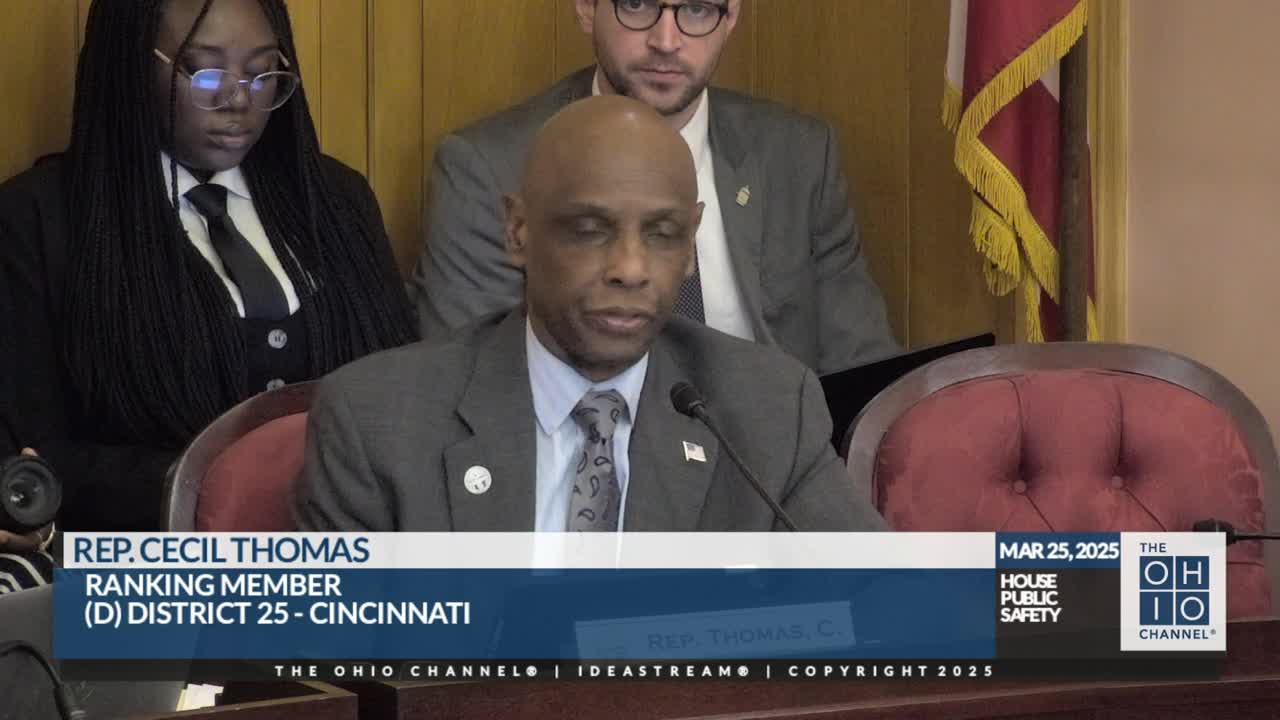
Committee members pressed sponsors on definitions and enforcement. Representative Brent asked how the bill would define “reasonable fear,” noting that fear is subjective; sponsors said officers would still need to articulate fear and would generally give warnings before arrest. Representative Humphrey and Ranking Member Thomas questioned creating a separate new misdemeanor (the sponsors proposed a first-degree misdemeanor, or M1) when obstruction-of-official-business statutes already can be applied. Ranking Member Thomas said an officer who can show someone intentionally impeded official duties can already charge that person under existing obstruction law.
Members also raised scenarios that could produce unfair results, including grieving relatives who rush a scene and bystanders who attempt to stop perceived wrongdoing. Representative Brewer asked how the measure would avoid catching people trying to intervene in alleged misconduct by officers; sponsors said the bill could be adjusted and that prosecutors and courts would exercise discretion. Multiple members suggested amendments, including lowering the proposed penalty to align with existing obstruction tiers (M2) and adding a requirement that first responders announce the specific rule before making an arrest.
Representatives Creech and others asked whether the bill would apply to protesters; the sponsors answered affirmatively for violent or aggressive behavior and said the statute would allow officers to order protesters back and arrest if they did not comply.
No formal vote or committee action was taken at the hearing. Sponsors said they will work with committee members and the Prosecutors Association on clarifications and possible amendments.
The committee adjourned the bill’s first hearing after questions and discussion; staff and sponsors indicated willingness to refine language on scope, penalties and enforcement.