Get Full Government Meeting Transcripts, Videos, & Alerts Forever!
Get email alerts on the Community Infrastructure Districts topic
No spam. Unsubscribe anytime.
House Bill 407 would let counties use community infrastructure districts and allow short-term fire/EMS assessments
Summary
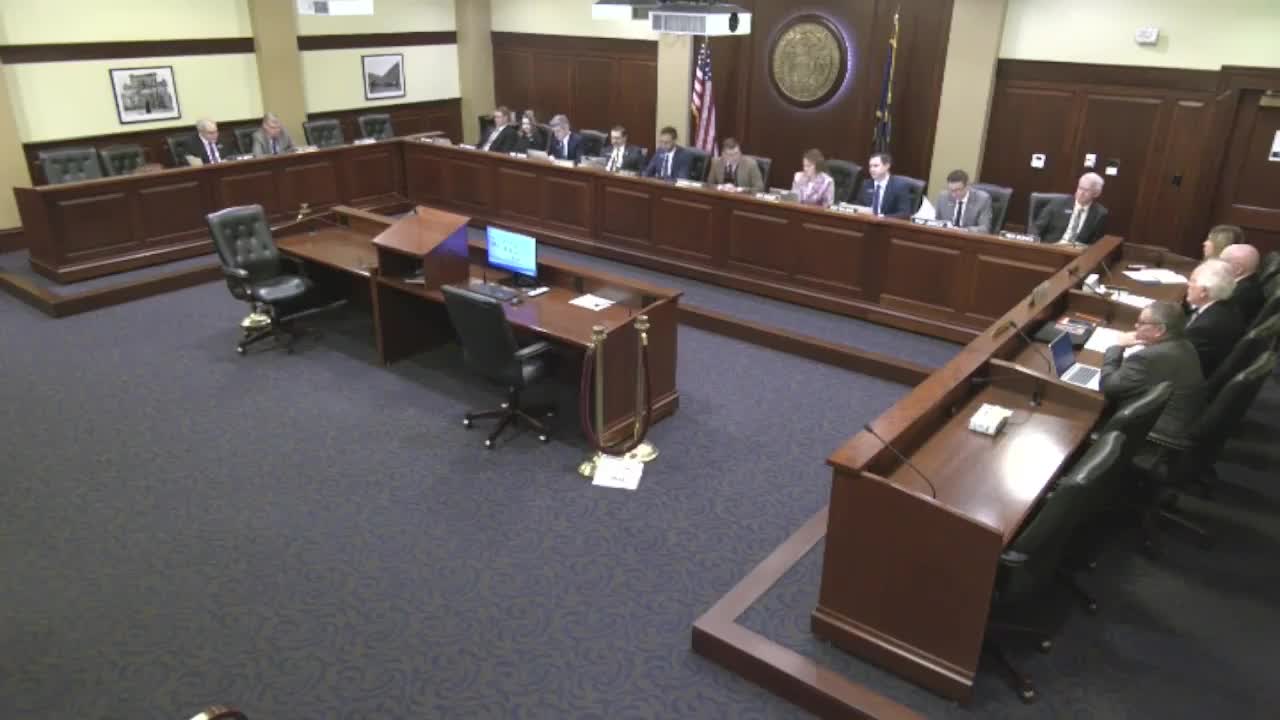
The House Revenue and Taxation Committee voted Tuesday to send House Bill 407 to the House floor with a do‑pass recommendation after testimony that the bill would allow counties to form community infrastructure districts and permit five‑year assessments to support fire and emergency medical services in new developments.
BOISE, Idaho — The House Revenue and Taxation Committee voted Tuesday to send House Bill 407 to the full House with a “do pass” recommendation after testimony that the measure would allow counties to form community infrastructure districts and make limited assessments to support fire and emergency medical services.
The bill, introduced by Representative Jason Monks, would add county authority to Idaho’s existing community infrastructure district statute and explicitly permit short‑term assessments for fire protection and emergency services in newly created CIDs.
Supporters said the change gives rapidly growing communities another financing tool to bridge the gap between capital construction and ongoing operating needs. "This would give [fire districts] some opportunities to help with that for a five year period of time," said Scott Turlington, president of Tamarack Resort, who testified as an industry participant with direct experience using CIDs. Representative Monks, the bill sponsor, told the committee, "The reality is, is you will have a new area and a developer will apply for a CID…The base is going to develop more and so the property taxes will continue to grow in that area."
Why it matters: developers and some fire‑service representatives said existing impact fees cover capital costs (stations, apparatus) but do not address staffing and other operating costs constrained by property tax limits. Ken Burgess of Veritas Advisors, representing the Idaho Home Builders Association, said HB 407 could be used by at least three projects currently under consideration. Greg Teminski, representing the Star Fire Districts and the Idaho Fire Chiefs Association, said the measure would address shortfalls created by the property tax growth cap enacted in recent years: "We have about 23% growth in our community and we're capped at the 8% cap," he said, arguing the tool would help staff newly built stations.
Key provisions and limits: the bill authorizes counties (in addition to cities) to create CIDs and adds language allowing an assessment limited to five years specifically for fire and emergency services. Committee testimony clarified that other CID financing instruments—used to pay for backbone infrastructure such as water, sewer and roads—would remain possible and often run over longer terms typical for bonds (committee testimony cited 20–30 year terms for those instruments). Scott Turlington noted CIDs can pay for off‑site improvements that a local improvement district (LID) could not, giving the Avamore development as an example of CID use for highway work outside a development’s immediate footprint.
How the assessments work: witnesses and the sponsor said the five‑year assessment would be a temporary, transferrable charge tied to property within the CID. Scott Turlington explained that when a house within a CID sells, the purchaser is informed via title documentation and the buyer would assume the remaining years of the assessment. Representative Monks said the five‑year clock begins for each property when it first sells.
Checks and public process: Committee members and witnesses pointed to existing statutory safeguards. Representative Raybould noted Idaho Code 53‑103 governs CID formation and includes petition, public‑hearing and voting requirements for certain financing mechanisms; committee testimony said a general obligation bond overlay would require a two‑thirds vote. Representative Monks and other witnesses repeatedly emphasized buyers are put on notice in title documents that a property lies in a CID and what assessments will cost.
Opposition and concerns: one emailed commenter, Randy Reeken (District 12), opposed the bill, writing it shifts another bond burden onto homeowners and arguing public safety and jail costs should be distributed more broadly. Several committee members raised questions about fairness and who ultimately bears costs; Representative Andrus and Representative Shepherd recorded “nay” votes on the committee’s voice vote.
Committee action: Representative Raybould moved the committee’s recommendation that House Bill 407 be sent to the floor with a “do pass” recommendation. The committee adopted the motion by voice vote; Representatives Shepherd, Andrus and Bruce asked to be recorded as voting nay.
What the bill does not do: the committee and witnesses said HB 407 does not create a permanent new ongoing tax for fire staffing; the five‑year assessment is explicitly temporary for fire/EMS, while other CID financing options (bonds, special assessments) can have much longer repayment periods. Witnesses said CIDs are typically created for new development footprints rather than over long‑established neighborhoods because petition, voting thresholds and legal requirements make retroactive overlays difficult.
Next steps: with the committee’s “do pass” recommendation, Representative Monks is expected to sponsor House Bill 407 on the House floor. The bill would return to the full House for debate and a final vote.