Get Full Government Meeting Transcripts, Videos, & Alerts Forever!
Get email alerts on the Youth Substance Use Prevention topic
No spam. Unsubscribe anytime.
School presentation warns nicotine, marijuana and counterfeit pills raise overdose risk for teens
Summary
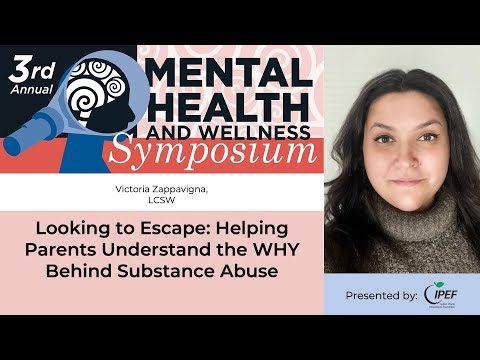
A presenter at an Indian Prairie CUSD 204 session reviewed substance-use terminology, prevalence among adolescents, health risks of nicotine and marijuana, dangers of counterfeit pills laced with fentanyl, and guidance on prevention, treatment and communication.
A presenter at a school-session for Indian Prairie CUSD 204 outlined how substance use, misuse and abuse affect adolescents and described prevention and treatment considerations for families and schools.
The presenter said substance use is an umbrella term for legal and illicit drugs and alcohol; misuse includes taking prescription medication in ways other than prescribed or diverting it, and abuse is use that causes negative impacts such as missed school, relationship problems or financial harm. "Misuse can lead to abuse," the presenter said.
Why it matters: the presenter cited national figures and clinical observations to argue that adolescent use is the major driver of adult substance-use disorders. The presenter said more than 90 percent of adults with a substance-use disorder began using regularly before age 18 and that about 3,000,000 adolescents in the United States have used a substance in the past month or meet criteria for a substance-use disorder.
Key risks and substances
Nicotine and vaping: The presenter said nicotine—not marijuana—is the most common "gateway" indicator for later substance use, telling the audience that adolescents who use nicotine are roughly 55 percent more likely to later use alcohol and about 80 percent more likely to try an illicit substance. The presenter noted that nicotine exposure during adolescent brain development alters the brain's reward system and makes quitting harder; "90 percent of adults who have a nicotine use disorder or engage in smoking started before the age of 17," the presenter said.
Marijuana: The presenter discussed cognitive and mental-health concerns associated with frequent marijuana use by adolescents, saying studies associate daily use with structural changes and a persistent loss of about "8 to 10 IQ points." The presenter added that recovery of normal brain functioning can take a year or longer after stopping heavy use and warned that long-term cannabis use is linked to increased rates of depression and anxiety for some users. "Legal does not always mean safe," the presenter said regarding products purchased from dispensaries.
Alcohol: The presenter reviewed alcohol-use statistics for young people, reporting about 6,000,000 people ages 12–20 used alcohol in the past month, nearly 3,200,000 met a binge-drinking threshold, and about 650,000 met a heavy-drinking threshold. The presenter explained binge drinking as having four to six or more drinks in a single sitting and said binge drinking is common between late high school and college years but does not always develop into a chronic disorder.
Prescription drugs and counterfeit pills: The presenter described prescription medications—benzodiazepines, stimulants and opioids—as commonly misused. She warned that opioids prescribed after medical procedures can lead to dependence quickly, citing a recovery specialist who became addicted to oxycodone within days after surgery. The presenter cautioned that many pills sold on the street are counterfeit and increasingly laced with fentanyl; "fentanyl is a hundred times more potent than morphine," she said, adding that a small, grain-of-sand–sized amount can be fatal.
Health and withdrawal risks: The presenter emphasized that withdrawal from benzodiazepines or alcohol can be medically dangerous (including seizures) and requires medical supervision; opioid withdrawal, while typically not fatal, causes severe flu-like symptoms. She recommended medical evaluation for heavy benzo or alcohol use and noted medications such as buprenorphine (Suboxone) are available for opioid treatment and in some cases are approved for adolescents (the presenter cited availability for people 16 and older). The presenter also advised having naloxone (Narcan) accessible in homes as a reversal agent for opioid overdose.
Mental health interaction: The presenter said mental-health conditions and substance use often co-occur, noting that people with diagnosable mental-health concerns are about twice as likely to develop substance-use problems. She described how teens sometimes use substances such as nicotine, marijuana or alcohol to self-medicate symptoms of anxiety or depression, and warned that symptoms can return or intensify after substance use stops.
Prevention, stigma and family communication: The presenter recommended open, honest conversations with children about curiosity and risk rather than scare tactics or silence. She urged parents to be mindful of role-modeling (a child with a parent who smokes is more likely to smoke) and to watch for warning signs such as declining grades, withdrawal from activities or changes in behavior. The presenter also flagged Snapchat as a common platform for arranging drug purchases, often using emojis rather than text.
What the session did not decide: The presentation provided information and guidance but did not include formal actions, votes, or policy decisions by the district. The presenter noted a legal limitation: under Illinois law, a person generally cannot be forced into treatment for substance use except through a court order.
The presenter closed by encouraging early conversations, medical evaluation for heavy use, and use of naloxone where opioid exposure is a concern.