Get Full Government Meeting Transcripts, Videos, & Alerts Forever!
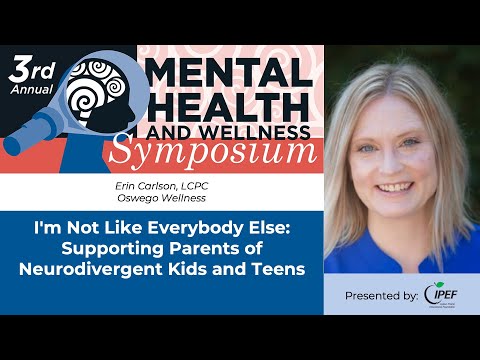
Presenter outlines neurodiversity, classroom and home strategies for neurodivergent students
Summary
Erin Carlson, a community mental-health clinician with Oswego and Plainfield Wellness, described neurodiversity, how brain differences affect behavior and learning, and offered practical routines, sensory strategies, and advocacy tips for parents and educators during a public presentation.
Erin Carlson, a community mental-health clinician with Oswego and Plainfield Wellness, described neurodiversity and practical classroom and home strategies for supporting neurodivergent children and teenagers during a public presentation (date and venue not specified).
Carlson opened by defining neurodiversity as the idea that people “experience and interact with the world around them in many different ways,” and she emphasized that neurological differences should not automatically be viewed as deficits. She said much of her clinical caseload—“about 85 to 90 percent,” she estimated—consists of neurodivergent clients and used examples from her family to illustrate variability in strengths and challenges.
Why it matters: Carlson argued that recognizing neurodiversity changes how parents and schools approach behavior and learning. She said brain differences affect attention, sensory processing and emotion regulation, which in turn shape classroom performance, social interactions and the…
Already have an account? Log in
Subscribe to keep reading
Unlock the rest of this article — and every article on Citizen Portal.
- Unlimited articles
- AI-powered breakdowns of topics, speakers, decisions, and budgets
- Instant alerts when your location has a new meeting
- Follow topics and more locations
- 1,000 AI Insights / month, plus AI Chat