Get Full Government Meeting Transcripts, Videos, & Alerts Forever!
Get email alerts on the Youth Substance Use topic
No spam. Unsubscribe anytime.
Psychiatrist: Energy drinks and high-potency nicotine carry clear risks for adolescents
Summary
At a District 204 symposium, addiction psychiatrist Kevin Masterson described how nicotine and high-caffeine energy drinks affect adolescent brains, reviewed product potency and safety guidance, and urged nonjudgmental, frequent conversations and medical referrals for students using these substances.
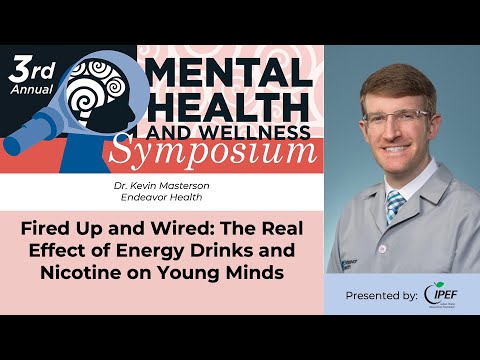
At a symposium hosted in Indian Prairie CUSD 204, Dr. Kevin Masterson, associate medical director of Linden Oaks Hospital Addiction Services at Endeavor Health, told educators and parents that “addiction is a chronic and progressive brain disease” and that both nicotine and high‑caffeine energy drinks can pose health risks for adolescents.
Masterson said addictive substances amplify motivation circuits in the brain, creating automatic habit routines that can erode other areas of life such as school, work and relationships. He described nicotine and caffeine as stimulants and detailed common effects, withdrawal symptoms and relative potencies of available products.
Why this matters: Masterson warned that several widely available nicotine products and some energy drinks deliver nicotine or caffeine at levels that can cause insomnia, anxiety, elevated heart rate and, in rare cases at very high doses or in combination with other substances, seizures or cardiac events. He also described how easy access and social sharing contribute to youth use.
Masterson reviewed product potency and clinical guidance. He said nicotine pouches can contain about 3–17 milligrams of nicotine per pouch and that nicotine replacement products prescribed for cessation (patches, gum, lozenges) commonly deliver roughly 7, 14 or 21 mg in patch formulations or 2–4 mg in gum/lozenges. He noted, “Nicotine pouches are not FDA approved for smoking cessation.” He also cited a CDC threshold that a single dose around 50 mg could be dangerous for an adult weighing about 150 pounds.
On caffeine, Masterson gave practical reference points: an 8-ounce brewed cup of coffee contains roughly 100 milligrams of caffeine and a typical can of soda about 40 mg; some energy drinks exceed 300 mg and certain large specialty coffee drinks can contain 300–400+ mg in a single serving. He said the American Academy of Pediatrics and the American Academy of Child and Adolescent Psychiatry advise that energy drinks are inappropriate for children and adolescents and that adolescents’ daily caffeine intake should be limited (the child/adolescent guidance he cited recommends about 100 mg/day for ages 12–18).
Masterson discussed trends he summarized from surveillance data: cigarette smoking has fallen from about the mid‑teens percentage range to roughly 2 percent in recent years, while nicotine vaping surged before COVID and has come down to about 10 percent; roughly one‑third of teens report regular energy‑drink use. He warned that combining sugar and caffeine can increase the reinforcing appeal of beverages and noted that the broadly accepted maximum daily sugar recommendation for adults is about 30 grams.
On intervention and supports, Masterson urged frequent, informal, nonjudgmental check‑ins with students and families and recommended primary care, pediatricians or psychiatrists for clinical evaluation when needed. He described nicotine replacement and gradual taper strategies for caffeine reduction (for example, switching to tea) and mentioned behavioral therapies such as cognitive behavioral therapy, motivational interviewing and mindfulness. He closed by listing treatment programs available through his employer, including adolescent and adult dual‑diagnosis services and outpatient options.
Tracy Schwartz, a school counselor with District 204 who introduced the talk, thanked the Indian Prairie Education Foundation and other sponsors for supporting the event.
Masterson’s talk focused on education and clinical guidance rather than policy actions; attendees were given resources and contact information for local treatment programs.