Get Full Government Meeting Transcripts, Videos, & Alerts Forever!
Get email alerts on the Suicide Prevention topic
No spam. Unsubscribe anytime.
Keynote speaker urges students and parents to "break the silence," highlights 988 and listening strategies
Summary
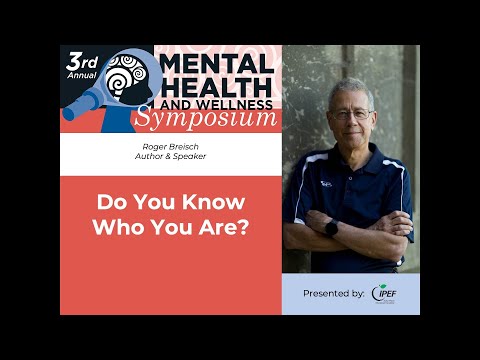
A keynote speaker with two decades of hotline experience told an audience that many people contemplating suicide tell themselves a false story about their worth. The speaker recommended asking open, 'authentic' questions, distinguishing 'mental ill health' from mental illness, and using the 988 Lifeline.
A keynote speaker at a community event urged students, parents and others to “break the silence” about suicidal thoughts and described practical ways to support people in crisis, including calling or texting the National Suicide Prevention Lifeline at 988.
The presenter, identified in the transcript only as "Presenter" and described themself as a longtime volunteer on the suicide hotline, said the work taught them how often people in crisis tell themselves a false, negative narrative about their lives. “The story they’re telling themselves about who they are is the wrong story,” Presenter said.
Presenter framed why the topic matters by citing two decades of volunteer service: 20 years as a National Suicide Prevention Lifeline volunteer, about four hours a week, roughly 4,000 hours total and more than 11,000 calls. The speaker said those experiences informed advice they give to high-school students across Northern Illinois and to parents: ask open, nonjudgmental questions and listen rather than immediately telling someone they are wrong.
The speaker emphasized a distinction between "mental illness" and what they termed "mental ill health," describing the latter as common human experiences such as grief, anger, loneliness and confusion that can become overwhelming. Presenter said many callers were not chronically ill in a clinical sense but were struggling with acute stresses and negative self‑narratives.
Presenter used multiple anonymized examples to illustrate how small incidents or self-directed stories can push people toward crisis. One caller began a conversation by saying he had a gun in his lap and intended to use it; another caller, a high‑school student, told the presenter she “hated” her life until the presenter asked what her friends would say about her. The student replied that friends would say she cared deeply and was generous—observations Presenter used to help the caller see a different story about herself.
Presenter also described a veteran caller who had served in Afghanistan and called from his car after a confrontational moment in a store. The presenter said the veteran described feeling like “a horrible evil human being” and that discussing mistakes as isolated acts rather than defining character helped shift that caller’s narrative. Presenter said the veteran later put the gun away.
To help people who are struggling, Presenter recommended asking what the speaker called "authentic questions"—questions the asker does not already know the answer to and that allow any truthful response—and then working with the answer the person gives. “What you believe doesn’t matter,” Presenter said. “It’s only what they believe, and you only find that out by asking questions.”
The speaker encouraged reaching out to trusted people—faculty, counselors, family—or, if no one else is available, calling or texting 988. Presenter said most hotline callers are not imminently suicidal but “just struggling” and benefit from being heard.
Presenter closed with a personal reflection drawn from a Hasidic teaching about hearts and a recounting of a high‑school classmate who later became an executive chef and a close friend, using the anecdote to underscore that outward appearances and short fragments of experience do not capture a person’s whole life.
The talk included a remaining practical point for adults working with young people: avoid trying to immediately fix a person’s feelings by asserting that they are wrong; instead, ask questions that let the person name what they believe and what they might be missing.
Presenter also noted they have written books and posted them on their website, and they concluded by urging compassion for oneself and others. “Be kind to yourself,” Presenter said.