Get Full Government Meeting Transcripts, Videos, & Alerts Forever!
Get email alerts on the College Admissions And Student Wellbeing topic
No spam. Unsubscribe anytime.
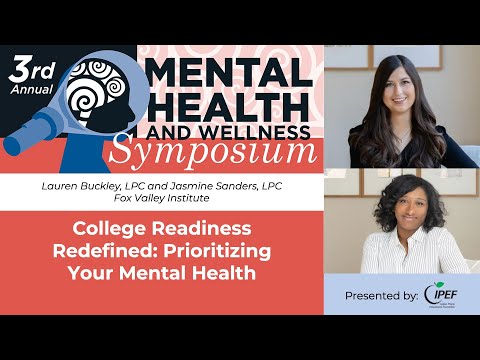
Presenters tell Naperville students common college myths can harm well-being
Summary
Two presenters from the Fox Valley Institute of Broken World told high school students that common beliefs — for example, that only GPA matters or that students should sacrifice sleep — can drive fear-based decisions. They emphasized balance, asking for help and fit when choosing colleges.
Jasmine and Lauren, presenters from the Fox Valley Institute of Broken World in Naperville, addressed high-school students on common myths about college and student success, arguing that many widely held beliefs encourage fear-based decision making rather than long-term learning and well-being.
The presenters said the most common mistaken ideas include that only a perfect grade point average matters, that being constantly busy signals success, and that students should sacrifice sleep or avoid asking for help. “A lot of these events are rooted in, like, fear based decision making,” one presenter said, describing how anxiety about outcomes can push students toward short-term choices that harm their mental health.
The presenters explained that colleges look beyond grades, valuing extracurriculars, leadership and evidence that a student will complete a degree. One noted her own graduate-school application had a modest GPA (about 3.3) but was strengthened by leadership and extracurriculars. The presenters warned that obsessing over GPA can create “a culture of fear and anxiety” that risks burnout or academic dishonesty.
They also challenged the idea that students must attend a highly selective school to succeed. The presenters said the social fit and support available on campus matter for completion and mental health; they cited research summarized in a book (Never Enough) suggesting similar long-term life- and job-satisfaction outcomes for graduates of highly selective and other schools.
Sleep and balance were another focus. A presenter said chronic sleep deprivation undermines concentration, memory and resilience, noting that “73 percent of high school students are clinically sleep deprived” (as stated in the presentation) and adding that extreme sleep loss is used as a form of psychological torture to illustrate the harm of sustained deprivation.
The presenters encouraged students to ask for help from professors, advisors, counselors and peers and to treat the college-application process as an opportunity for students to build independence while using available supports. They described alternatives such as community college coursework, gap years and study-abroad programs for students who need time to explore or to shift majors; one presenter described changing majors multiple times before settling into counseling.
The session closed with reminders that college decisions are personal: fit and support networks matter, changing majors is common, and prioritizing rest and realistic commitments can improve both academic outcomes and well-being.