Get Full Government Meeting Transcripts, Videos, & Alerts Forever!
Get email alerts on the Dental Care Access topic
No spam. Unsubscribe anytime.
Dentists seek protection to notify Medicaid patients when providers change contracts; CCOs raise communications concerns
Summary
Dentists told the committee that some dental care organizations have blocked them from contacting Medicaid patients when a provider changes contracting arrangements; the bill would extend medical‑clinic protections to dental clinics.
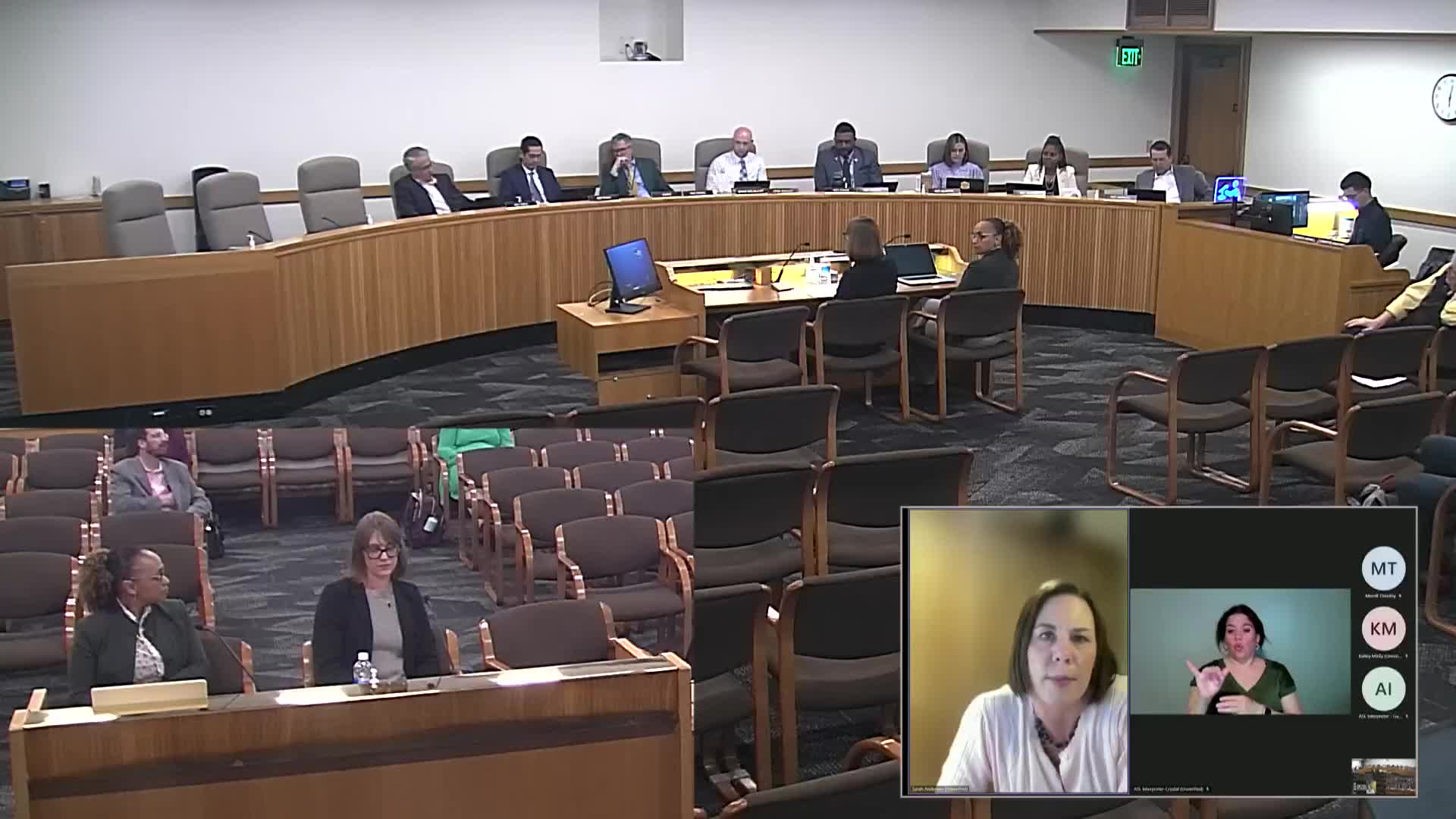
The committee heard competing testimony on House Bill 3923, which would extend to dental clinics a set of protections already available to medical clinics when a provider or clinic transfers members between contractors. Sponsor testimony and several independent dentists said certain dental care organizations (DCOs) have used contract language to threaten providers who inform patients about options when a provider leaves or changes affiliations.
Dr. Jim Bunn and Dr. Hussain Sheikh described cases in which dentists said they were told they could not contact or inform their Medicaid patients about switching providers. “When I made the switch, I wanted to let my OHP patients know, and I was threatened by the DCO … with a lawsuit,” Dr. Bunn said in testimony. Dr. Sheikh said he serves a large minority and underserved patient base and called the practice “devastating” for independent providers and for patient continuity of care.
Opposing testimony from PacificSource (Rick Blackwell, director of government relations) said coordinated care organizations are accountable to OHA for member assignments and that allowing providers to send unapproved communications could generate conflicting messages and member confusion. He suggested contractual or agency remedies rather than statutory changes. The CCO witness also noted DCOs are not currently defined in statute and argued the bill could complicate assignment and network management rules.
Representative Rob Noss said medical providers currently have similar protections and that the bill seeks to correct an omission so dental providers and their patients have the same option. Committee members asked technical questions about who controls member lists or patient data and whether communications would be regulated by OHA approvals.
No vote was recorded in the transcript. Proponents said the bill is intended to protect patient choice and continuity of care; opponents recommended resolving assignment and communications procedures through contractual or OHA regulatory processes to avoid conflicting member notices.