Lifetime Citizen Portal Access — AI Briefings, Alerts & Unlimited Follows
Senate committee considers amendment to let Oregonians sue for Article I constitutional violations by government actors
Loading...
Summary
Senate Bill 65 drew extended committee discussion March 25 after an amendment (dash 4) narrowed the bill to Article I (the Oregon Bill of Rights) and preserved employer liability under the Oregon Tort Claims Act while allowing attorney fees for prevailing plaintiffs and limited fee awards to defendants for frivolous suits.
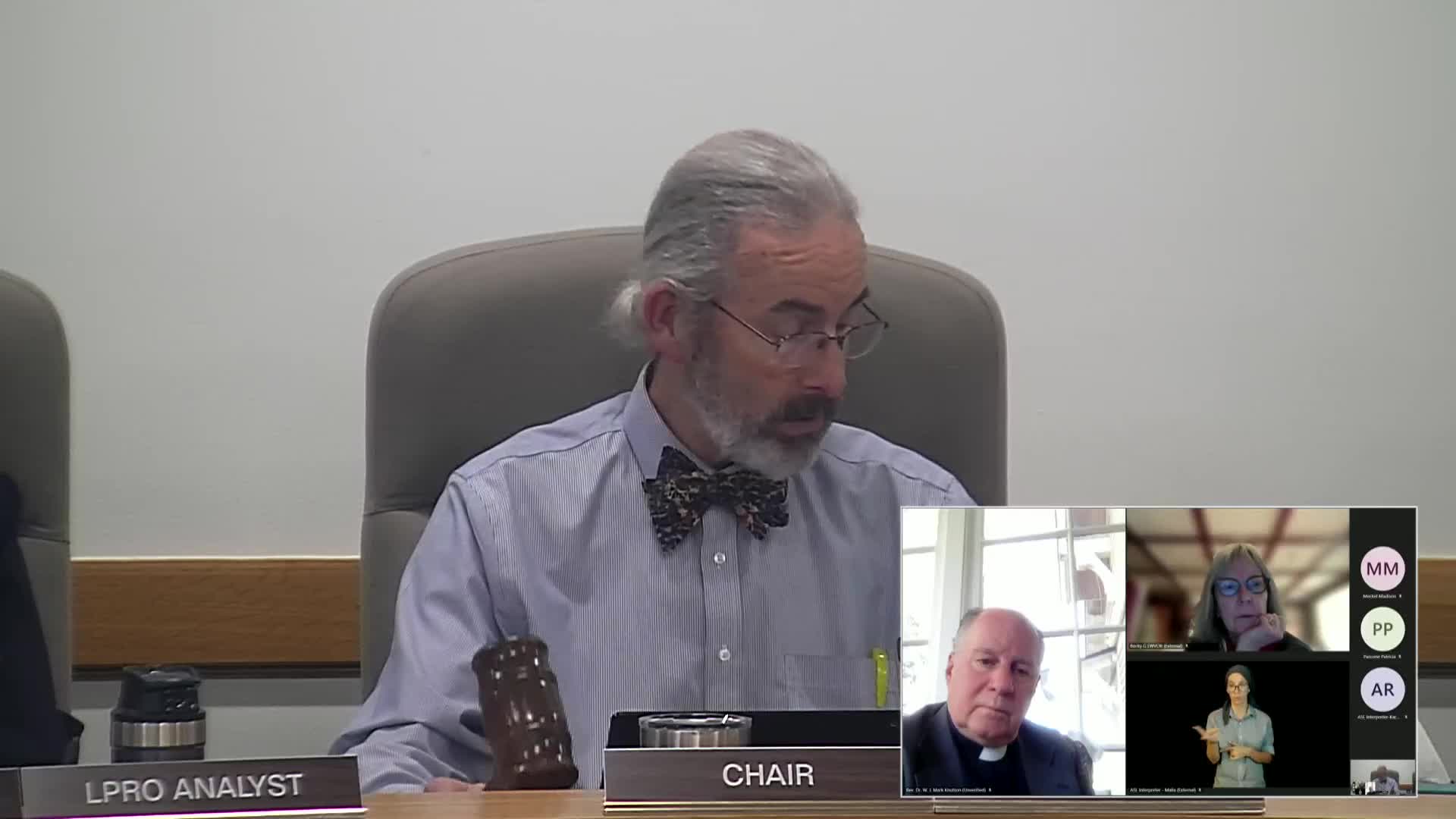
The Senate Judiciary Committee on March 25 held a work session on Senate Bill 65 and a proposed dash‑4 amendment that would create a state statutory cause of action for violations of the Oregon Constitution’s Article I (the Bill of Rights).
Senator Thatcher expressed concern about potential new exposure for law enforcement and local government, noting pushback from some county and police officials. "I wouldn't mind getting some things out there," she said, adding concerns that the measure could open law enforcement to further litigation.
The chair and staff described the dash‑4 amendment as a narrowing of the original bill. Under the language being developed, the private right of action would be limited to violations of Article I of the Oregon Constitution. The amendment would also rely on the Oregon Tort Claims Act (OTCA) framework: where a government employee acts under color of law, OTCA would keep personal liability with the employer as the payor of damages rather than exposing the individual employee to personal monetary liability.
The amendment would permit prevailing plaintiffs to recover reasonable attorney fees. To limit meritless litigation, the amendment also authorizes the court to award reasonable fees and costs to a prevailing defendant only if the court finds the plaintiff's claim was frivolous, unreasonable or without foundation.
Senator McLean asked whether damages under the amendment would be capped by the OTCA; staff confirmed that the OTCA governs caps and limitations and that the measure contemplates OTCA application to economic and noneconomic damages. Committee staff also reiterated the bill’s effective date provision: causes of action would be available for conduct occurring on or after 91 days following adjournment sine die.
Committee members and staff agreed further technical work was needed before a committee vote. The bill was scheduled for a work session on March 31. Committee discussion included a recurring concern from local officials that fee provisions could encourage plaintiffs’ counsel to bring suits; the chair invited county representatives to continue the conversation in follow‑up meetings.
No vote was taken March 25; the committee left the work session open to refine language and address questions about caps, damages and fee awards.