Get Full Government Meeting Transcripts, Videos, & Alerts Forever!
Get email alerts on the Hb 3460 Hyperbaric Oxygen Therapy topic
No spam. Unsubscribe anytime.
Veterans testify in support of bill to reimburse hyperbaric oxygen therapy for low-income veterans with TBI, PTSD
Summary
House Bill 3,460 would direct the Oregon Health Authority to reimburse hyperbaric oxygen therapy for veterans diagnosed with traumatic brain injury or post‑traumatic stress disorder who are ineligible for medical assistance and whose income is at or below 400% of federal poverty guidelines, supporters said in a March 25 public hearing.
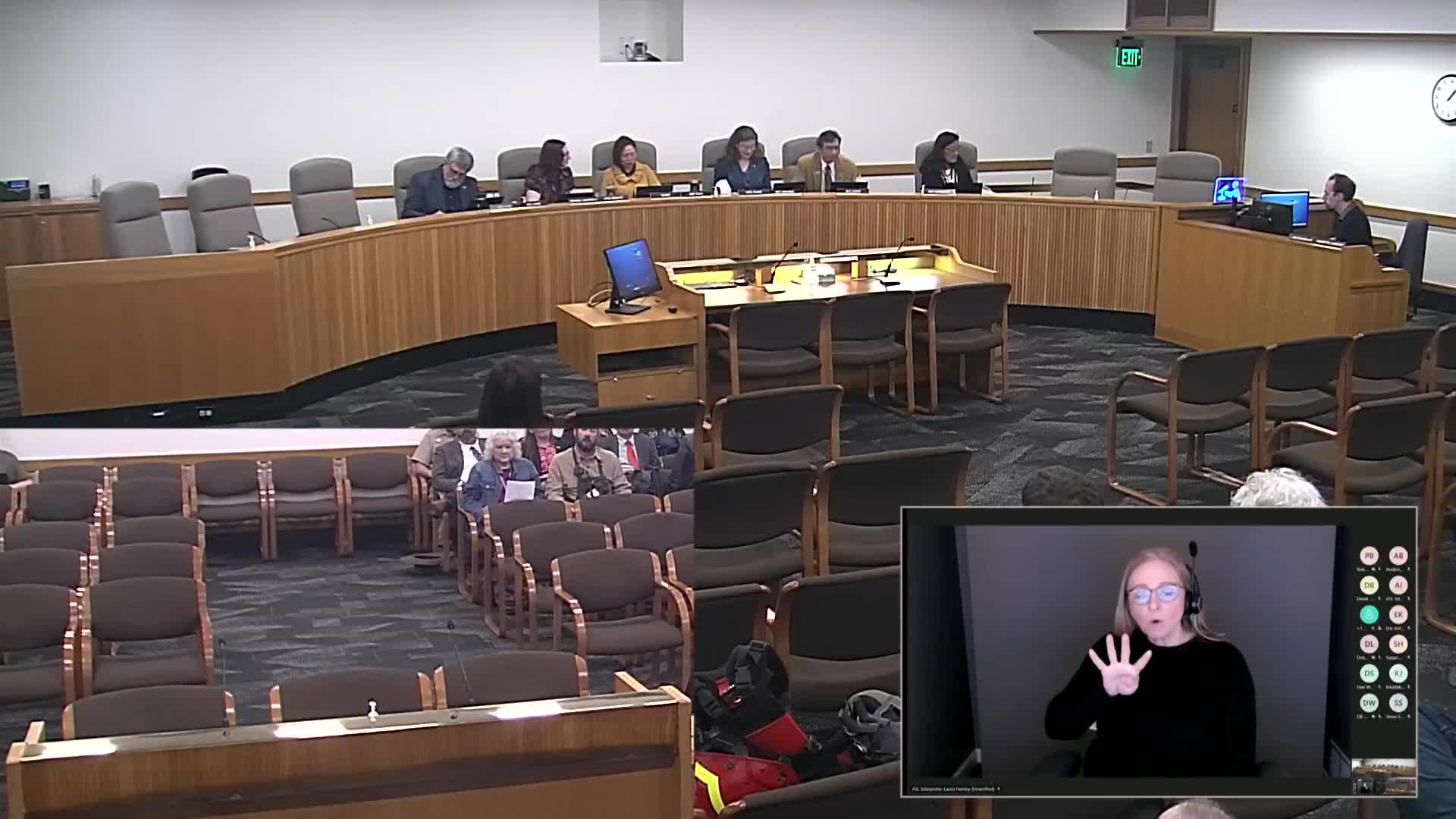
House Bill 3,460 drew extensive public testimony on March 25 as veterans, family members and advocates urged the House Committee on Emergency Management, General Government, and Veterans to expand access to hyperbaric oxygen therapy for low-income veterans with traumatic brain injury or post‑traumatic stress disorder.
Representative Court Boyce (state representative, District 1) introduced supporters and framed the bill as a compassionate treatment option for veterans living with TBI and PTSD. LPRO staff summarized the bill as directing the Oregon Health Authority to create a program to reimburse the cost of hyperbaric oxygen therapy for Oregon veterans diagnosed with TBI or PTSD who are ineligible for medical assistance and whose income is at or below 400 percent of the federal poverty guidelines.
Multiple witnesses provided personal and organizational testimony in support. Connie Hunter, who represents veterans on Curry County suicide-awareness and prevention efforts and serves on a VA-affiliated mental health advocacy council, said Curry County had discussed funding HBOT in local planning and expressed hope for statewide support. Robert Beckman, executive director of Treat Now, described national statistics and asserted that clinical trials and international use support HBOT’s safety and effectiveness for brain wounds; he said several states have enacted programs and allocated funds. Debbie Lee, representing a military charity that operated an HBOT program, recounted veterans’ recovery experiences, including improved sleep, memory and reductions in suicidal ideation in participants of her organization’s program.
Steve Schneider, a veteran and private citizen from Eugene, provided a first-person account of enduring TBI and argued that HBOT had been lifesaving for some veterans he knows and that lack of VA prescription leaves many to pay out of pocket. Several other witnesses joined brief registered testimony supporting the bill and describing programs in other states that have funded HBOT for veterans.
Committee members set a two‑minute limit for registered testimony and heard roughly a dozen supporters across organizational and personal perspectives. No committee vote occurred during this session; the hearing was closed at the end of testimony.
Supporters described HBOT as a potentially life-changing treatment for veterans with TBI or PTSD and urged the committee to consider program funding mechanisms. Opposing views or formal fiscal estimates beyond the staff summary were not offered during the public testimony recorded in this hearing.