Get Full Government Meeting Transcripts, Videos, & Alerts Forever!
Get email alerts on the Time Policy topic
No spam. Unsubscribe anytime.
Senate passes bill creating a path to stop clock switching, leaving final choice to Pacific neighbors and Congress
Summary
Senate Bill 1038 passed after extended floor debate. The bill aims to end the twice‑yearly clock change for Oregon’s Pacific‑time area but conditions implementation on action by other Pacific states (California and Washington) and, for certain options, congressional approval; senators debated public safety, tourism and quality‑of‑life tradeoffs.
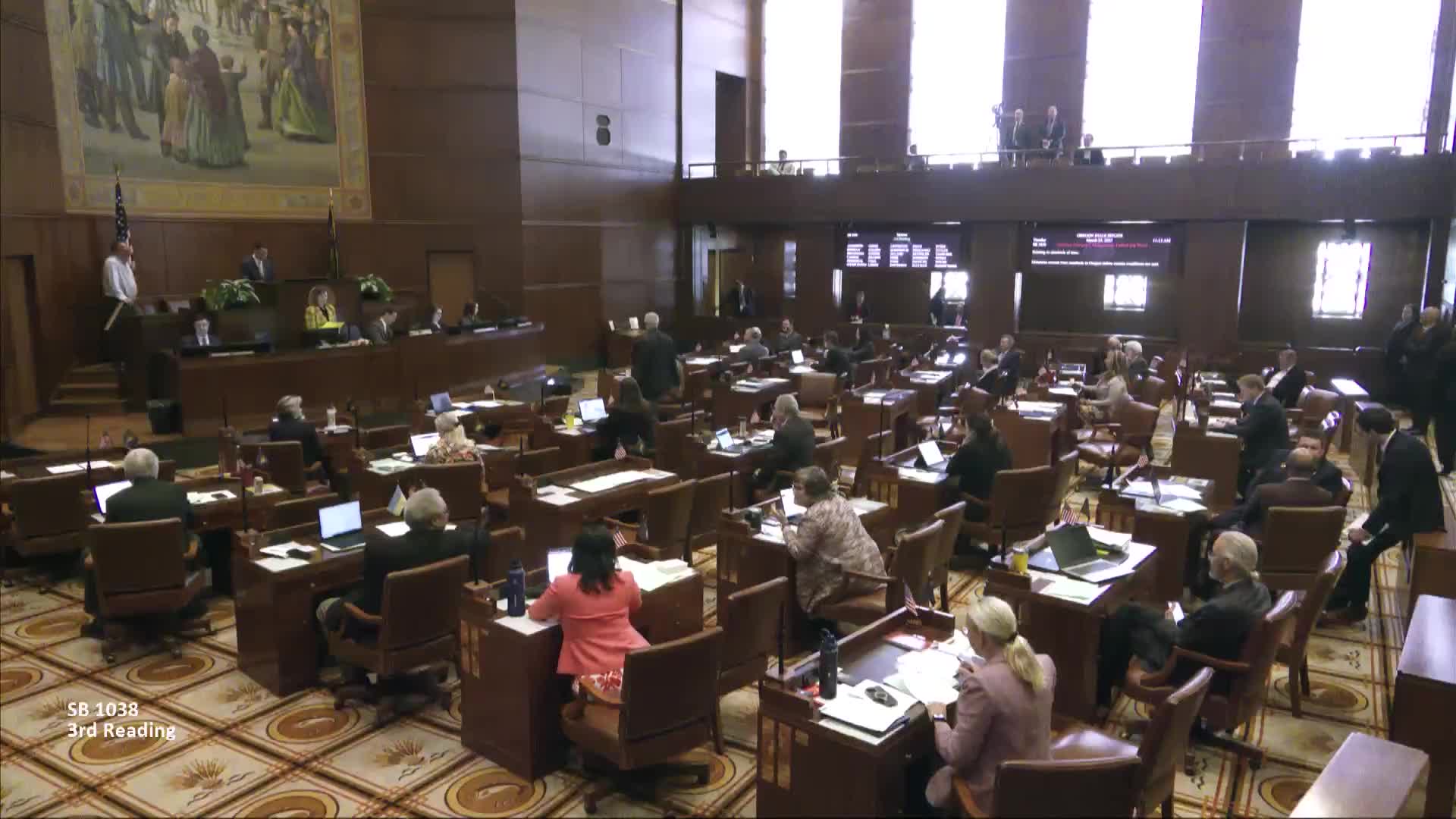
The Senate on March 24 approved Senate Bill 1038, a measure designed to stop biannual clock changes for the Pacific time zone portion of Oregon but to delay implementation until neighboring states and, in some cases, Congress act.
Senator Thatcher, the bill’s sponsor, said the legislation includes three possible outcomes: continue current switching; move to permanent daylight saving time if California and Washington pass similar legislation and Congress acts; or adopt permanent standard time if the state chooses that route without requiring congressional approval. Thatcher emphasized the bill’s goal is to avoid Oregon “going it alone” and to keep the Pacific time zone aligned across states.
Floor debate was extensive. Senator Taylor said she opposed SB 1038 because it leaves open the possibility of permanent standard time, which she said would reduce evening daylight that many Oregonians value for recreation and tourism and could affect elderly people who rely on evening light for safer driving. Taylor argued voters and industries that rely on long summer evenings — including tourism and golf — favored preserving late summer daylight.
Other senators urged support. Senator Golden said constituents wanted two things: stop the clock switching and remain aligned with California. Senator Bonham said the big policy harm is the switching itself and supported alignment with neighbors. Senator Solman praised the sponsor for conditioning implementation on West Coast coordination. After debate the bill passed; the Clerk recorded 18 ayes and declared the measure passed by constitutional majority.