Get Full Government Meeting Transcripts, Videos, & Alerts Forever!
Get email alerts on the Restraint And Seclusion topic
No spam. Unsubscribe anytime.
Witnesses split over House Bill 3835’s changes to restraint rules and out‑of‑state placements
Summary
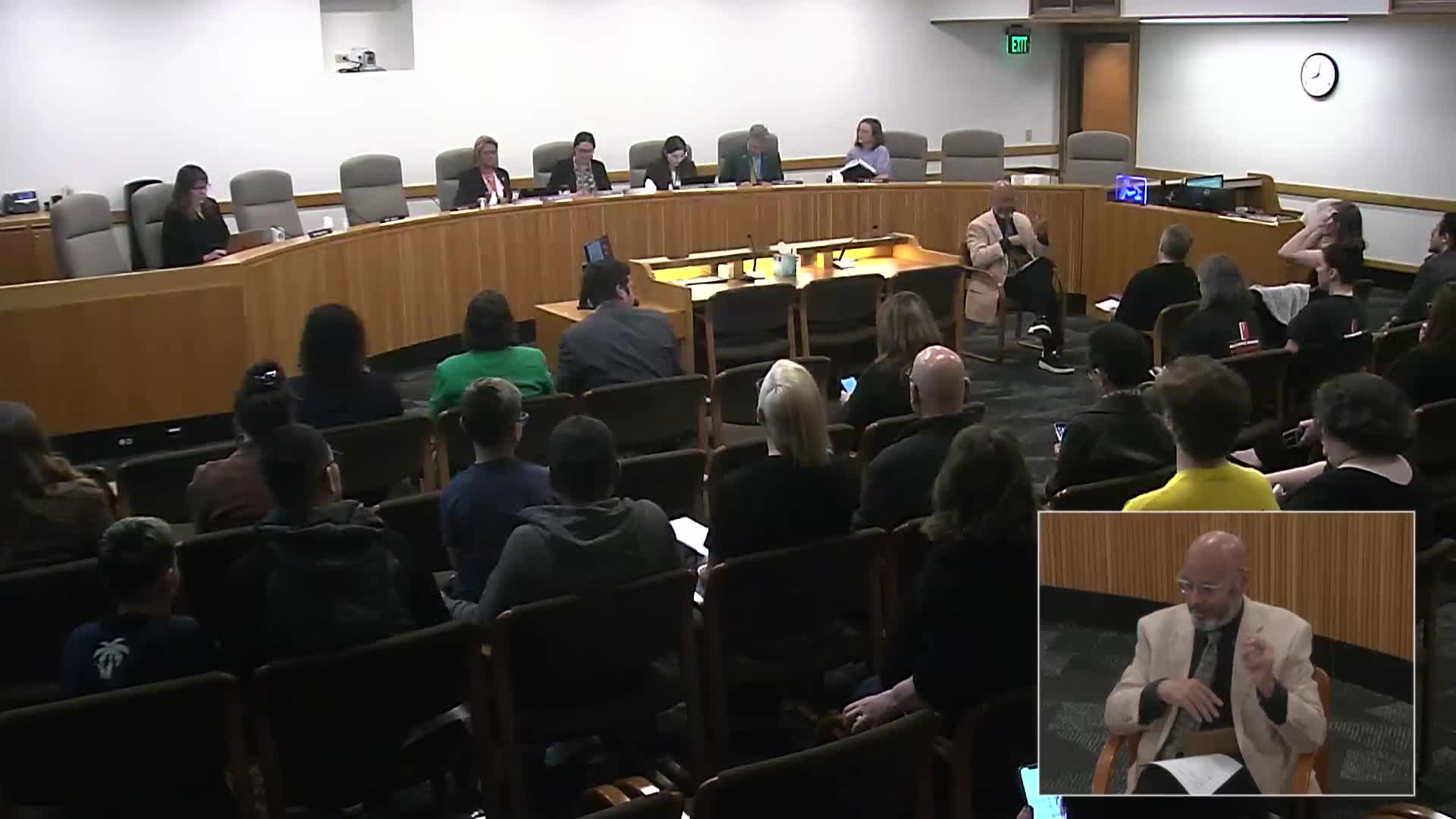
The House Committee on Early Childhood and Human Services held a public hearing Tuesday on House Bill 3835, a measure that would change how child‑serving programs may use physical restraint and expand narrow exceptions for out‑of‑state placements.
The House Committee on Early Childhood and Human Services held a public hearing Tuesday on House Bill 3835, a measure that would change how child‑serving programs may use physical restraint and expand narrow exceptions for out‑of‑state placements. The committee heard roughly 28 in‑person and remote witnesses during the allotted period; no committee vote occurred at the hearing.
Supporters — including some clinicians, residential program directors and a union representative — testified that HB 3835 would give staff legal clarity and restore tools to keep other children and employees safe when served youth exhibit violent behavior. Dr. Daniel Nikolai, a child and adolescent psychiatrist testifying for the Oregon Psychiatric Physicians Association and the Oregon Council of Child and Adolescent Psychiatry, said clinicians sometimes face urgent decisions in higher levels of care and called HB 3835 “a more trauma‑informed way for staff and families to work collaboratively to keep everyone safe.”
Opponents—family members, disability advocates and current and former residents of out‑of‑state facilities—said the bill would roll back hard‑won limits on restraints and increase the risk of abuse, particularly for children with disabilities and children of color. Jenny Canaday, who said her son was blind, autistic and nonverbal, testified that her child was restrained “hundreds of times” and now lives with PTSD, and urged the committee to vote no on HB 3835.
Why the debate matters
Proponents framed the bill as a response to staffing shortages and shrinking capacity in Oregon’s system of care; several witnesses including Doug Riggs of Alliance for Kids pointed to a long‑term decline in in‑state residential treatment capacity and the resulting placements in emergency departments or outside the state. Riggs said the number of children’s residential programs in Oregon fell from 51 in 2014 to 14 in 2023 and to seven “today,” and said programs frequently must refuse very high‑acuity youth because staff cannot safely provide care. He described HB 3835 as “a small attempt to start the process of finding safe spaces for kids.”
Opponents disputed that loosening restraint rules is the right solution. Lillianne Miller, a foster youth and youth consultant, said HB 3835 “attacks protections on physical restraint and seclusion” and warned the bill would undermine bipartisan protections enacted in Senate Bill 710. Several witnesses cited concerns about due process and accountability; Jenny Canaday said incidents were often not reported to parents and that removing reporting protections “opens the door to hide abuse.”
What supporters say the bill preserves
Dana Hittle, interim director of the Office of Developmental Disability Services (ODDS), told the committee ODDS “supports the broad goals of House Bill 3,835” but stressed the agency does not endorse involuntary seclusion. Hittle said ODDS prohibits involuntary seclusion and that HB 3835 does not change statutory prohibitions on the most dangerous restraints, nor current crisis‑intervention training standards. She described existing reporting practices: quarterly reports from 24‑hour residential and host‑home providers that include demographic information, each restraint experienced by a child, injuries, training status of involved staff and follow‑up actions, and she said case managers receive written notice of every incident.
What opponents emphasize
Parents and advocates said the bill would weaken accountability and disproportionately harm disabled children and youth of color. Grace Forson of Our Children Oregon said the bill “would further endanger our children” and urged waiting for the outcome of an already‑established, legislatively mandated committee reviewing definitions and reporting for child abuse. Several witnesses recounted personal trauma following restraint and seclusion; Anne Marie Beckstrom described witnessing children being restrained and said she now lives with PTSD, and Ella Marie Gaskillkrest said the first time she was restrained was at age 7 and that she still has flashbacks.
Concerns about out‑of‑state placements
HB 3835 would allow a narrow exception to Oregon licensure and contract requirements when specialized services are not available in Oregon. Supporters said the exception is needed for clinically appropriate placements when state capacity is insufficient. Opponents argued that out‑of‑state placements have a documented history of abuse and inadequate oversight and cited examples of mistreatment in privatized out‑of‑state programs; former foster youth Shane Ruhl described prolonged solitary confinement and medical neglect while placed out of state.
Questions raised by committee members
Witnesses and members discussed system capacity, staff training, and reporting timelines. Committee members were told ODDS already requires certification in crisis prevention and detailed incident reporting, while program leaders and hospital administrators described longer stays in locked psychiatric units because of lack of step‑down placements.
Outcome and next steps
The committee closed the public hearing without taking a vote on HB 3835. Multiple witnesses submitted longer written testimony to the legislative OLIS record. Committee members said they will continue conversations about the bill and its proposed technical and policy changes.
Ending note
Testimony demonstrated deep disagreement about whether the proposed statutory changes would improve safety for children and staff or reduce accountability and increase risk. The committee will carry the bill forward for further consideration in subsequent committee action and staff analysis.