Get Full Government Meeting Transcripts, Videos, & Alerts Forever!
Get email alerts on the Higher Education Athletics Nil topic
No spam. Unsubscribe anytime.
Witnesses tell House committee Oregon must update NIL law to let colleges pay student athletes
Summary
At a public hearing on HB 3694, university and legal witnesses urged the committee to allow colleges and universities to pay student athletes directly under evolving NCAA and settlement rules; proponents described the bill as permissive, set a per-institution fundraising cap and said payments would be fundraising-driven and not wages.
University and legal representatives told the House Higher Education and Workforce Development Committee on March 25 that Oregon should amend its name, image and likeness (NIL) law to allow colleges and universities to pay student athletes directly if the NCAA and courts finalize recently proposed changes.
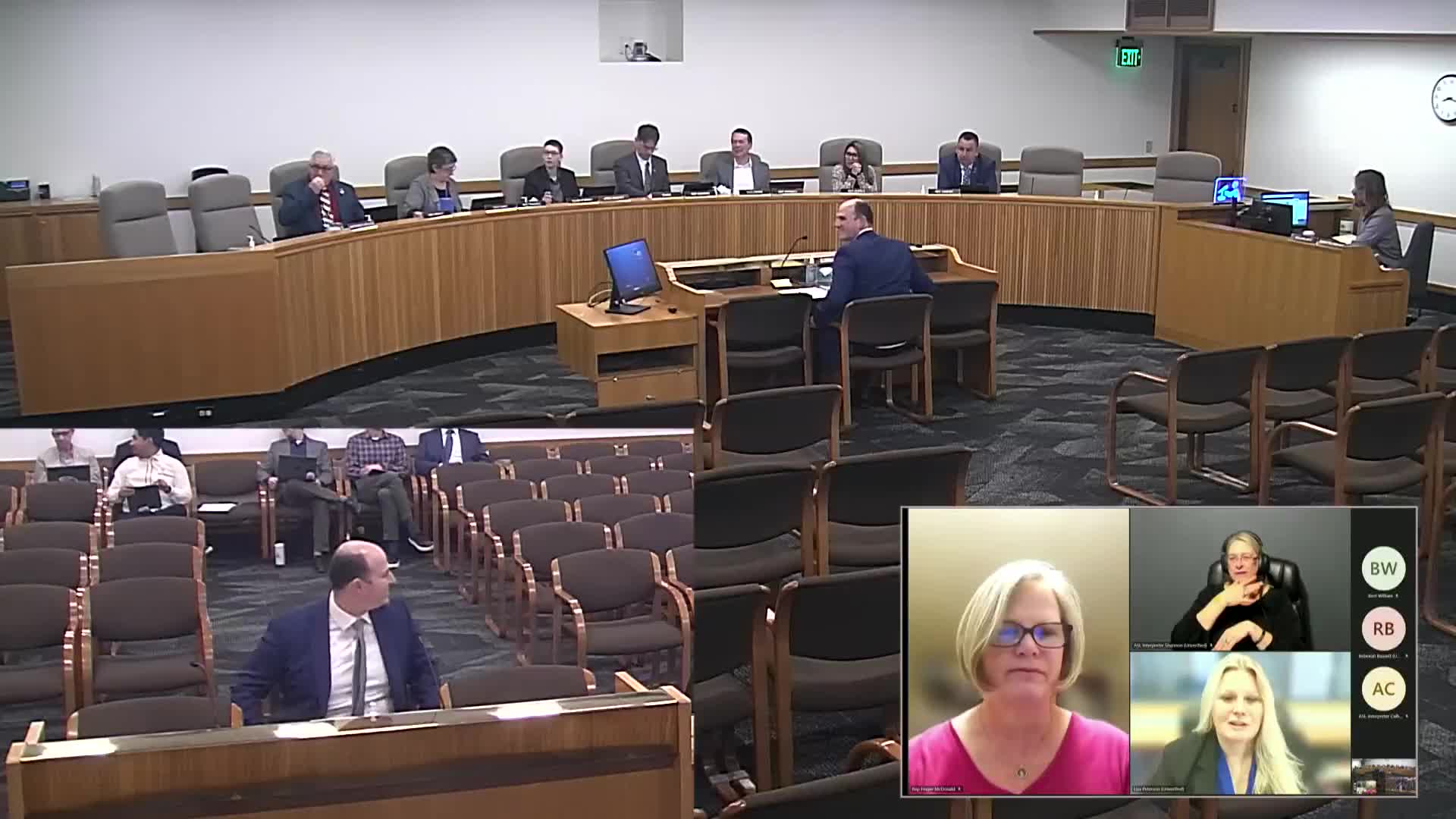
Lisa Peterson, deputy athletic director at the University of Oregon, told the committee HB 3694 would update Oregon’s 2021 NIL framework to reflect recent NCAA rule changes and a pending settlement that would allow institutions to pay athletes directly after final approval. Peterson said the bill is permissive — it would allow but not require institutions to make direct NIL payments — and that the University of Oregon intends to fund any such program through athletic-department fundraising. Peterson said the draft bill includes a per-institution annual cap of $20,500,000 (total, not per athlete) and that the institution would plan to raise funds dedicated to that purpose.
Max Fore, a former University of Oregon student athlete and an attorney who leads the sports/entertainment practice at Miller Nash, testified in support and described the national context: a preliminary settlement reached October 7, 2024 between the NCAA and the Power 5 conferences would, if finally approved by a federal court, permit direct institutional payments. Fore said the changes would require states to update statutory NIL language because existing law does not authorize institutions to pay student athletes directly. He urged Oregon to act so state institutions remain competitive in recruiting.
Committee members asked several clarifying questions. Representative Finger McDonald asked whether direct payments would make student athletes university employees; witnesses replied that the bill’s payments are intended as NIL compensation, not employment contracts. Representative Harvick asked whether there is a cap and where funding would come from; Peterson confirmed the $20,500,000 per-institution annual total cap and said the University of Oregon would rely on athletic-department fundraising to cover payments. Peterson clarified the cap is a total program cap per year (not per athlete) and that the fundraising would be done by the athletic department separate from university central fundraising.
Proponents framed the bill as a competitive necessity for Oregon colleges and universities because other states are already amending NIL laws to permit direct institutional payments or otherwise expand flexibility. The witnesses emphasized the bill is permissive and compliance with NCAA rules would be required if the NCAA changes its regulations after final court approval.
No committee action or vote on HB 3694 was recorded at the hearing; the committee closed the public hearing after questions.